

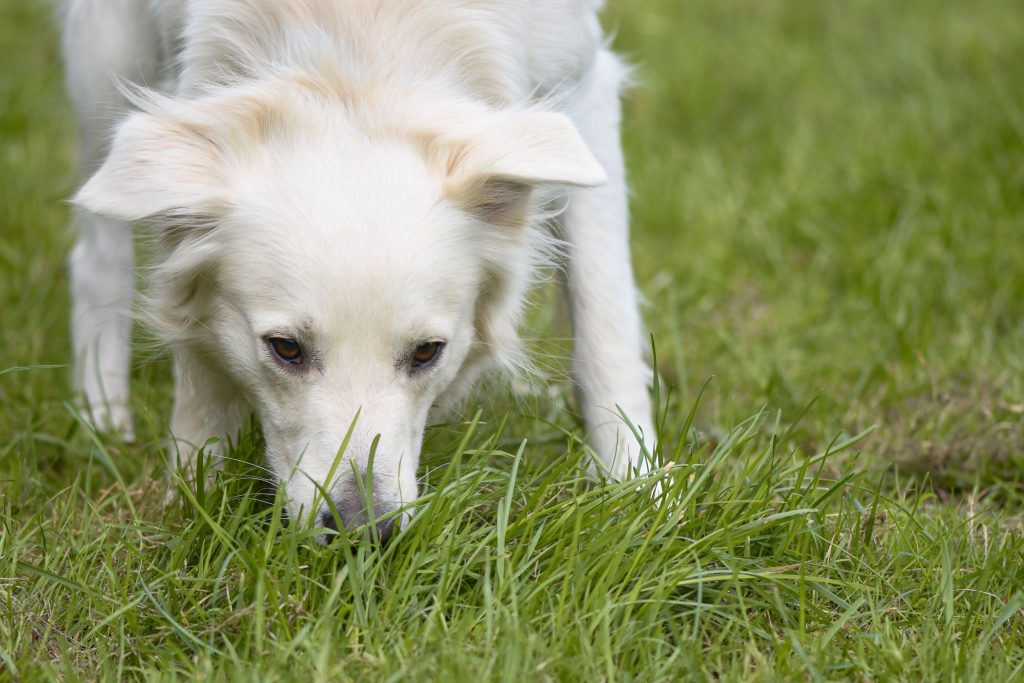
Why does my dog eat grass
My dog Bruno has eaten grass for as long as I can remember. Not occasionally — regularly. Almost every morning walk, he would stop at a patch of grass, select a few specific blades with what seemed like genuine discernment, and chew them thoughtfully before moving on. Why does my dog eat grass?
For the first few months I owned him, I panicked every time. I would pull him away, worried he was sick or deficient in something. I called my vet about it twice in the first year.
My vet told me the same thing both times — calmly and with what I now recognize as considerable patience — that grass eating in dogs is extremely common, usually completely harmless, and in most cases nothing to worry about.
That conversation changed how I thought about the behavior. But it also made me curious — why do dogs eat grass? And are there situations where it is actually a problem?
This guide covers everything you need to know.
How Common Is Grass Eating in Dogs?
Very common. Studies on dog behavior have found that grass eating is one of the most frequently observed plant-eating behaviors in domestic dogs. In one study, grass was the most commonly eaten plant, and the behavior was observed in the majority of dogs surveyed.
Grass eating is so common that veterinary behaviorists and nutritionists generally consider it a normal canine behavior rather than a sign of a problem, with some important exceptions covered later in this guide. Why does my dog eat grass?
Why Do Dogs Eat Grass? The Most Likely Reasons
The honest answer is that we do not know with complete certainty why dogs eat grass. Dogs cannot tell us, and the behavior is difficult to study precisely in controlled conditions. What we have is a collection of well-supported theories, each of which probably explains the behavior in different dogs in different situations.
1. It Is Simply a Natural Behavior
The most widely accepted explanation among veterinary behaviorists is that grass eating is simply a normal, instinctive behavior inherited from the wild ancestors of domestic dogs.Why does my dog eat grass?
Wild canids — wolves, foxes, and wild dogs — regularly consume plant material as part of their diet. Analysis of wolf scat consistently finds plant material, including grass, berries, and other vegetation. This plant consumption is not accidental — it appears to be deliberate and regular.
Domestic dogs retain many of the behavioral instincts of their wild ancestors despite thousands of years of selective breeding and domestication. Grass eating may simply be one of those retained instincts — a behavior that served a purpose in the wild and has persisted without a specific current function.
2. Fiber and Digestive Health: Why does my dog eat grass
Some nutritionists and veterinarians believe that dogs eat grass to supplement dietary fiber. Grass is high in insoluble fiber, which supports digestive motility — the movement of food through the intestines — and contributes to healthy stool formation.
Dogs fed a diet that is lower in fiber than their digestive system needs may seek out grass as a fiber supplement. This theory is supported by observations that dogs fed higher-fiber diets tend to eat grass less frequently than those on lower-fiber diets.
If your dog eats grass frequently and also has inconsistent stool quality — sometimes loose, sometimes hard — adding a fiber supplement or switching to a higher-fiber diet may reduce the grass eating.why does my dog eat grass
3. Nausea and Stomach Upset
One of the most commonly cited reasons for grass eating is that dogs eat it to relieve nausea or stomach discomfort. Many owners report that their dog ate grass and then vomited — leading to the widespread belief that dogs eat grass to make themselves sick.
However, research has not fully supported this as the primary explanation. Studies have found that the majority of grass-eating dogs do not vomit afterward, suggesting that intentional self-induced vomiting explains only a small proportion of grass-eating episodes.
What seems more likely is that some dogs eat grass when they feel nauseous because the physical sensation of eating something provides temporary relief from nausea — similar to how humans sometimes eat crackers when feeling sick. Vomiting may occur afterward in some cases, but it does not appear to be the primary goal in most instances.
A dog that specifically seeks out grass and eats large amounts rapidly — gulping rather than chewing thoughtfully — and then vomits is more likely doing so to relieve significant stomach discomfort. This pattern is worth paying attention to.
4. They Simply Like the Taste and Texture
This explanation is straightforward and probably accurate for many dogs. Grass — particularly young, fresh, tender grass in spring — has a mild sweetness and a satisfying texture. Some dogs simply enjoy the taste and texture of certain grasses.
Dogs that eat grass selectively — choosing specific patches, specific types of grass, or specific growth stages — may simply be expressing a food preference rather than responding to any physiological need.
5. Boredom or Behavioral Enrichment
Dogs that are understimulated — not getting enough physical exercise or mental enrichment — sometimes engage in unusual eating behaviors as a form of environmental exploration or self-stimulation.
Grass eating in a bored dog is often accompanied by other signs of insufficient stimulation — destructive chewing, excessive barking, restlessness, or hyperactivity. Increasing exercise and mental enrichment often reduces grass eating in these cases.
6. Attention-Seeking
Some dogs learn that eating grass produces a specific response from their owner — concern, attention, redirection, or fussing. If eating grass reliably produces human attention, a dog that wants attention may use it deliberately to get that response.
This is most likely in dogs that make eye contact with their owner while eating grass, that eat grass primarily when the owner is watching, or that stop when the owner stops paying attention.
Is Grass Eating Dangerous?
In most situations, no. Plain grass in a clean environment is not toxic to dogs and will not cause harm.
However, there are specific situations where grass eating does carry risk.
Pesticides, Herbicides, and Fertilizers
Grass treated with lawn chemicals — pesticides, herbicides, fertilizers, or weed killers — is potentially dangerous to dogs. Many of these chemicals cause vomiting, diarrhea, neurological symptoms, and, in severe exposures, organ damage.
Never allow your dog to eat grass in areas where lawn chemicals have been applied. This includes your own lawn if treated, neighbors’ lawns, public parks and verges that may be treated, and golf courses. Most chemical treatments recommend keeping pets off treated grass for at least twenty-four to forty-eight hours, some for longer.
Signs of chemical toxicity after grass eating include vomiting, diarrhea, drooling, weakness, tremors, or seizures. If you suspect your dog has eaten chemically treated grass and shows any of these signs, go to a vet immediately.
Parasites
Grass and soil can harbor parasite eggs and larvae — including roundworm, hookworm, and whipworm eggs deposited by other animals. Dogs that eat grass in areas frequented by other dogs — parks, dog walking areas — have some exposure to these parasites through grass eating.
Regular deworming and maintaining up-to-date parasite prevention significantly reduces this risk.
Foreign Objects
Grass clippings left from lawn mowing can be mixed with sticks, small stones, or other debris that a dog might ingest along with the grass. Check grass-eating areas for potential hazards.
Foxtail Grass
Certain grass species — particularly foxtail grasses — have sharp seed heads that can penetrate the skin, enter the ears, nose, eyes, or paws, and migrate through tissue, causing serious infections and abscesses. These are particularly common in warm, dry climates. Prevent access to foxtail and similar sharp-seeded grass species.
When Is Grass Eating a Problem?
Most grass eating is harmless. But the following patterns warrant a veterinary conversation.
Sudden Increase in Grass Eating
A dog that has always eaten occasional grass is one thing. A dog that suddenly begins eating grass much more frequently than usual — particularly if accompanied by other changes like reduced appetite, lethargy, vomiting, or changes in stool — may be experiencing a digestive problem or other health issue that is driving the behavior.
Eating Grass and Vomiting Repeatedly
Occasional vomiting after grass eating in an otherwise well dog is not typically concerning. A dog that repeatedly eats grass and vomits — particularly on the same day or across multiple days — is experiencing digestive upset that deserves investigation.
Eating Grass Alongside Other Symptoms
Grass eating combined with any of the following warrants a vet visit — lethargy, loss of appetite, weight loss, blood in vomit or stool, abdominal pain or distension, increased thirst or urination, or any other sign that something is wrong.
Compulsive Grass Eating
Some dogs develop a compulsive relationship with grass eating — seeking it out obsessively, becoming distressed when prevented from accessing it, or spending significant portions of walks eating grass rather than exercising and exploring. Compulsive behaviors in dogs sometimes have anxiety or behavioral roots that benefit from professional assessment.
Should You Stop Your Dog From Eating Grass?
For most dogs, no, there is no need to prevent grass eating. It is a normal behavior, and unless the grass is chemically treated or the dog is showing signs of illness, there is no harm in allowing it.
However, if you want to reduce the frequency of grass eating, these approaches help:
Increase dietary fiber — add plain cooked vegetables like green beans, carrots, or pumpkin to the diet. Switching to a higher-fiber food may also help.
Increase exercise and mental stimulation — more physical activity and enrichment reduces boredom-driven grass eating.
Redirect during walks — if the dog is a habitual grass eater and you prefer to limit it, redirect their attention during walks with a toy, treat, or command. Do not punish grass eating — simply redirect.
Check the diet — consult your vet if you suspect a nutritional deficiency may be driving the behavior.
What to Tell Your Vet
If you are concerned about your dog’s grass eating, these are the details your vet will find most useful:
- How long has the dog been eating grass
- How frequently — occasional, daily, multiple times per day
- Whether vomiting follows, and if so, how often
- Whether the behavior has changed recently
- What the dog’s diet consists of
- Whether there are any other symptoms
Final Thoughts
Dogs eat grass. They have always eaten grass. They will probably always eat grass.
In the vast majority of cases, this is normal, harmless, and not worth significant concern. The situations where it does warrant attention — chemical exposure, sudden changes in behavior, accompanying symptoms — are real but represent a small proportion of overall grass eating.
Let Bruno eat his thoughtfully selected morning grass. Watch for changes. Act if the pattern shifts. And trust that most of the time, your dog simply knows something about that particular patch of grass that you do not.
⚠️ Disclaimer: This article is for informational purposes only and does not replace professional veterinary advice. If your dog’s grass eating is accompanied by vomiting, lethargy, or other symptoms, consult a licensed veterinarian.
Sources: American Kennel Club (AKC), VCA Animal Hospitals, PetMD, Applied Animal Behaviour Science
- Best Food for Dogs
- Why Is My Dog Not Eating
- Dog Fever
- cat vaccinations
- cat in pain
- happy cat
- Dog Skin Problems

Stay Updated with Pet Health Tips
Get simple, expert-backed tips, disease alerts, and care guides for your pets—delivered straight to your inbox.