

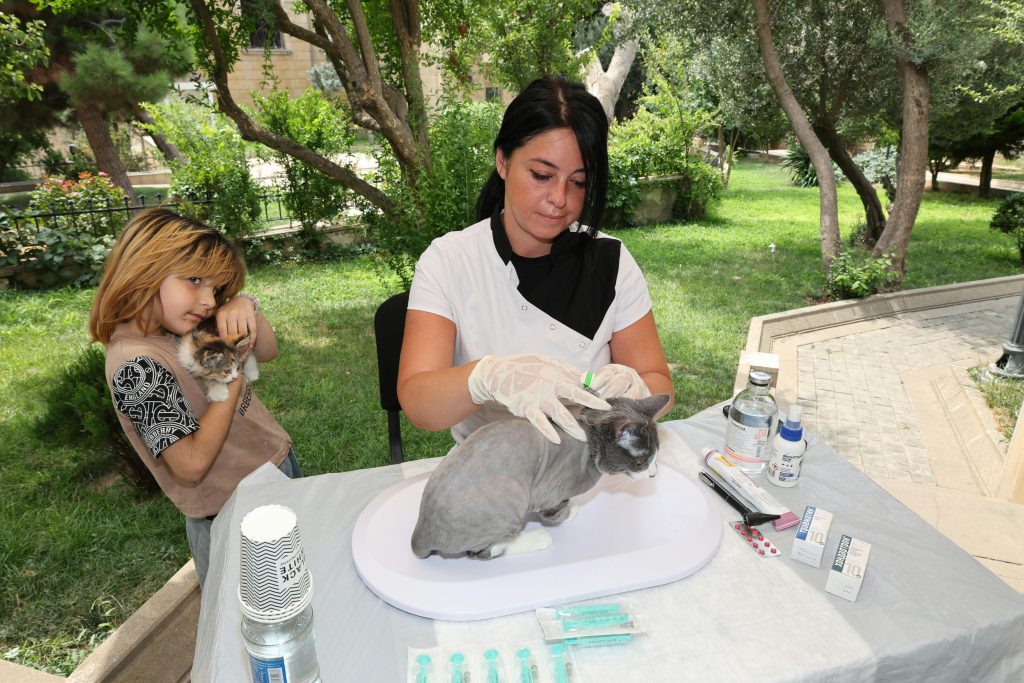
When I adopted my first cat, the shelter gave me a small card with a list of vaccines the cat had already received. I tucked it into a drawer and forgot about it completely.
Two years later, my cat got sick with a respiratory infection that lasted three weeks and cost a significant amount in vet bills. When I showed the vet the old vaccine card, he pointed out that the booster was overdue by over a year.
That experience taught me a lesson I will never forget. Vaccinations are not a one-time event. They are an ongoing part of responsible cat ownership — and skipping them has real consequences.
This guide covers everything you need to know about cat vaccinations — which ones are essential, which are optional, when to give them, and what to expect after each visit.
Why Cat Vaccinations Matter for Cats
Vaccines work by training the immune system to recognize and fight specific diseases. When a vaccinated cat is exposed to a virus or bacteria, the immune system recognizes it and responds quickly — often preventing the disease entirely, or significantly reducing its severity.
Without vaccination, cats are vulnerable to diseases that spread easily between animals, can be brought home on your clothing or shoes, even if your cat never goes outside, and in many cases are fatal or cause permanent damage.
The cost of vaccinating your cat is a fraction of the cost of treating the diseases vaccines prevent. More importantly, some of these diseases have no cure; prevention is the only real protection.
Core Vaccines Every Cat Needs
Core vaccines are recommended for every cat regardless of lifestyle, age, or where they live. These protect against the most serious and widespread diseases.
1. Feline Panleukopenia — FPV
Feline panleukopenia is also known as feline distemper or feline parvovirus. It is one of the most dangerous and contagious diseases in cats. The virus attacks rapidly dividing cells in the body — particularly in the bone marrow, intestines, and developing kittens in the womb.
Symptoms include severe vomiting, bloody diarrhea, high fever, extreme lethargy, and loss of appetite. The mortality rate in unvaccinated cats — especially kittens — is very high. Even cats that survive often suffer permanent damage.
The virus is extremely hardy and can survive in the environment for years. It can be brought into the home on shoes, clothing, or hands — meaning even indoor cats that never go outside are at risk.
This vaccine is non-negotiable for every cat.
2. Feline Herpesvirus — FHV-1
Feline herpesvirus causes feline viral rhinotracheitis, one of the most common upper respiratory infections in cats. Symptoms include sneezing, nasal discharge, eye discharge, conjunctivitis, fever, and loss of appetite.
Once a cat is infected with herpesvirus, the virus stays in the body for life. The cat becomes a carrier and can experience recurring flare-ups during times of stress or illness. There is no cure — only management of symptoms.
Vaccination does not completely prevent infection but significantly reduces the severity of symptoms and the frequency of flare-ups.
3. Feline Calicivirus — FCV
Feline calicivirus is another very common cause of upper respiratory infections in cats. It can also cause painful ulcers in the mouth and on the tongue, making eating extremely uncomfortable.
Some strains of calicivirus are more virulent than others and can cause serious systemic disease. The virus spreads easily through direct contact with infected cats and through shared food bowls, water bowls, and litter boxes.
Like herpesvirus, vaccination reduces the severity of disease rather than guaranteeing complete prevention, because there are many different strains of calicivirus circulating.
The FVRCP Combination Vaccine
In most countries, the vaccines for feline panleukopenia, herpesvirus, and calicivirus are given together in a single injection called the FVRCP vaccine — sometimes referred to as the “three-in-one” or “cat flu” vaccine. This is the core vaccine that every cat should receive on schedule.
4. Rabies
Rabies is a fatal viral disease that affects the brain and nervous system. It can infect all warm-blooded animals, including humans. There is no treatment once symptoms appear.
In many countries, rabies vaccination is legally required for cats. Even in areas where it is not legally required, it is strongly recommended — especially for cats that go outdoors.
The rabies vaccine is given separately from the FVRCP combination vaccine.
Non-Core Vaccines — Based on Lifestyle and Risk
Non-core vaccines are recommended only for cats with specific risk factors. Your vet will help you decide which of these are appropriate based on your cat’s lifestyle.
1. Feline Leukemia Virus — FeLV
Feline leukemia virus is one of the most serious infectious diseases in cats. It suppresses the immune system, leaving the cat vulnerable to other infections, and can also cause certain types of cancer.
The virus spreads through close contact between cats — grooming, sharing food and water bowls, and biting. It can also be passed from an infected mother to her kittens.
This vaccine is strongly recommended for:
- Cats that go outdoors
- Cats that live with other cats whose FeLV status is unknown
- Kittens — because they are most susceptible, and their future lifestyle may change
Indoor cats with no contact with other cats have a lower risk, but many vets still recommend this vaccine for kittens as a precaution.
2. Feline Immunodeficiency Virus — FIV
FIV is similar to HIV in humans — it attacks the immune system and leaves the cat vulnerable to infections that a healthy immune system would easily fight off. There is no cure.
FIV spreads primarily through deep bite wounds — the kind that happen during fights between cats. Outdoor male cats that are not neutered have the highest risk.
A vaccine exists in some countries but is not universally available or recommended. Ask your vet whether it is appropriate for your cat.
3. Chlamydiosis
Chlamydia felis is a bacterial infection that causes conjunctivitis and mild respiratory symptoms in cats. It spreads easily in multi-cat households and catteries.
Vaccination is recommended for cats in high-risk environments — particularly shelters, catteries, or homes with many cats.
4. Bordetella
Bordetella bronchiseptica is a bacterial cause of respiratory infection in cats. It is more commonly associated with dogs but can affect cats, particularly in shelter or multi-cat environments.
This vaccine is not routinely recommended for single indoor cats, but may be appropriate for cats in shelters or those that regularly board at kennels.
The Vaccination Schedule
Kittens
Kittens receive a series of vaccines because their immune systems are still developing, and maternal antibodies — passed from the mother — can interfere with vaccine effectiveness. Multiple doses ensure that when the maternal antibodies fade, the kitten’s own immune system is properly primed.
6 to 8 weeks: First FVRCP vaccine
10 to 12 weeks: Second FVRCP vaccine booster
14 to 16 weeks: Third FVRCP vaccine booster, plus rabies vaccine. The FeLV vaccine is recommended by your vet.
12 to 16 months: First adult booster for all core vaccines
Adult Cats
After the kitten series and the first adult booster, the schedule for most adult cats is:
- FVRCP: Every three years for most adult cats after the initial series is complete. Some vets recommend annual boosters depending on the specific product used and the cat’s risk level.
- Rabies: Every one to three years, depending on the specific vaccine used and local regulations.
- FeLV: Annually for cats that remain at risk.
Senior Cats
Senior cats — generally considered to be ten years and older — may have weaker immune systems and can benefit from continued vaccination. However, the frequency and type of vaccines given to senior cats should be discussed with your vet, taking into account the individual cat’s health status and lifestyle.
What to Expect After Vaccination
Most cats tolerate vaccines very well. Mild reactions are common and normal:
- Mild lethargy — your cat may be quieter than usual for twenty-four to forty-eight hours after vaccination. This is the immune system responding to the vaccine. It is normal and temporary.
- Soreness at the injection site — the cat may not want to be touched near the injection site for a day or two.
- Mild fever — a temporary low-grade fever is a normal immune response.
- Reduced appetite — a slight decrease in appetite for one day is common.
These mild reactions usually resolve on their own within forty-eight hours. No treatment is needed.
Signs of a Serious Reaction — Seek Vet Care Immediately
Serious vaccine reactions are rare but can occur. Contact your vet immediately if you notice:
- Facial swelling — particularly around the eyes and muzzle
- Difficulty breathing or wheezing
- Repeated vomiting after returning home
- Collapse or extreme weakness
- Hives or severe itching all over the body
- Pale gums
A serious allergic reaction — anaphylaxis — can develop within minutes to hours of vaccination. It is rare but requires immediate treatment.
Injection Site Sarcoma
Feline injection site sarcoma is a rare but serious type of tumor that can develop at the site of a vaccine injection. It affects a very small number of cats — estimates range from one in ten thousand to one in thirty thousand vaccinations.
Signs include a lump at the injection site that grows larger over time, is still present three months after vaccination, or is larger than two centimeters. If you notice any lump at an injection site that does not disappear within a few weeks, have it checked by a vet immediately.
Modern vaccines are formulated to minimize this risk. Vets are also trained to give certain vaccines in specific locations on the body to allow for easier treatment if a sarcoma does develop.
Keeping Track of Vaccinations
Keep a written record of every vaccine your cat receives — the date, the vaccine name, the batch number, and when the next booster is due. Your vet should provide a vaccination certificate after each visit.
Store this record somewhere safe. You will need it if:
- You travel with your cat — especially internationally
- Your cat stays at a boarding facility — most require proof of vaccination
- You need emergency veterinary care — the vet needs to know your cat’s vaccination history
- You rehome or sell your cat
Many vet clinics now offer reminder services — by text, email, or phone call — when boosters are due. Ask your vet about this when you register.
Common Questions About Cat Vaccinations
Can indoor cats skip vaccinations?
No. Many serious diseases can be brought into the home on clothing, shoes, or hands. Feline panleukopenia virus, for example, can survive in the environment for years and does not require direct cat-to-cat contact to spread. Even a completely indoor cat needs core vaccines.
My cat already had vaccines as a kitten. Do they need boosters?
Yes. Vaccine immunity does not last forever. Boosters are needed to maintain protection. The frequency depends on the specific vaccine — your vet will advise you on the right schedule.
Can I vaccinate my cat at home?
Some vaccines are available without a prescription in certain countries. However, vaccination at home is not recommended. The vet visit that accompanies vaccination is also an opportunity for a health check that can detect problems early. Vets are also equipped to handle allergic reactions — something you cannot do safely at home.
My cat is old and has never been vaccinated. Is it too late?
No. It is never too late to start. An unvaccinated adult cat will need an initial series of two vaccines given three to four weeks apart, followed by regular boosters. Talk to your vet about the best approach for an older cat starting vaccination for the first time.
Are there risks to over-vaccinating?
Yes. This is why vaccination guidelines have shifted toward less frequent boosters for adult cats — based on research showing that immunity from some vaccines lasts longer than previously thought. Work with a vet who follows current guidelines rather than automatically vaccinating annually for every disease.
Prevention Is the Greatest Act of Love
Vaccinating your cat is one of the simplest and most effective things you can do to protect their health and extend their life. The diseases these vaccines prevent are serious, painful, and in many cases fatal.
A few vet visits and a small annual cost protect your cat from years of potential suffering. That is a trade worth making every single time.
Book your cat’s next vaccine appointment today if it is overdue. Your cat is counting on you — even if they will never admit it.
⚠️ Disclaimer: This article is for informational purposes only and does not replace professional veterinary advice. Always consult a licensed veterinarian for your cat’s specific vaccination needs and schedule.
Sources: American Association of Feline Practitioners (AAFP), VCA Animal Hospitals, Cornell Feline Health Center, World Small Animal Veterinary Association (WSAVA)

Stay Updated with Pet Health Tips
Get simple, expert-backed tips, disease alerts, and care guides for your pets—delivered straight to your inbox.