

Last year, my neighbor came to me looking genuinely worried. Her four-year-old Golden Retriever had not touched his food bowl in two days. He was still drinking water and seemed alert, but every time she put the food down, he would sniff it and walk away.
She had not changed his food. There had been no obvious illness. Nothing seemed different. And yet he simply refused to eat.
After a vet visit, they discovered he had a dental abscess — a painful infection at the root of one of his back teeth. Chewing was causing him significant pain, and refusing food was his only way of communicating that something was wrong.
He recovered completely after dental treatment. But the experience was a reminder of something important: when a dog stops eating, there is always a reason. Sometimes it is minor. Sometimes it is serious. But it is nothing.
This guide will walk you through every common reason dogs stop eating, how to assess the situation at home, what you can try before the vet visit, and when you must go without delay.
Is It Normal for a Dog to Skip a Meal?
Occasionally, yes. A healthy adult dog skipping a single meal — particularly in hot weather or after an unusually large amount of exercise — is not automatically a cause for alarm.
But context matters enormously. A dog that skips one meal and then eats normally at the next is different from a dog that has not eaten properly for two or three days. A dog that skips a meal but is otherwise bright, energetic, and behaving normally is different from a dog that is also lethargic, vomiting, or hiding.
The following situations always require prompt attention, regardless of how long the dog has been off food:
- Any puppy that refuses a meal
- Any senior dog that refuses food for more than twelve hours
- Any dog refusing food alongside other symptoms — vomiting, lethargy, diarrhea, pain
- Any dog that has not eaten for more than forty-eight hours, regardless of other symptoms
The Most Common Reasons Dogs Stop Eating
1. Illness or Infection
Loss of appetite is one of the earliest and most reliable signs that something is wrong inside a dog’s body. Almost any illness — from a minor stomach upset to a serious systemic disease — causes a dog to go off food.
Common illnesses that cause appetite loss include:
- Gastrointestinal upset — nausea, gas, or stomach inflammation makes eating uncomfortable
- Bacterial or viral infections — the immune response suppresses appetite while fighting infection
- Kidney disease — toxin buildup in the blood causes chronic nausea and appetite loss
- Liver disease — affects digestion and causes general malaise
- Pancreatitis — inflammation of the pancreas causes significant abdominal pain and nausea
- Parvovirus, especially in unvaccinated dogs, causes severe vomiting, bloody diarrhea, and complete appetite loss
- Cancer — particularly in older dogs, unexplained and persistent appetite loss can be an early indicator
If your dog has stopped eating and also has any other symptoms — even subtle ones like slightly reduced energy or mild vomiting — illness should be the first consideration.
2. Dental Pain
This is one of the most frequently missed causes of appetite loss in dogs. Dogs with dental disease, broken teeth, gum infections, or mouth ulcers find eating painful. Rather than eating through the pain, many dogs simply stop eating altogether.
Signs that dental pain may be causing appetite loss:
- The dog approaches the food bowl, sniffs, and walks away
- The dog picks up food and then drops it
- The dog chews only on one side of the mouth
- Bad breath — noticeably worse than usual
- Drooling more than normal
- Pawing at the mouth or face
- Reluctance to chew toys or play tug
Dental disease is extremely common in dogs — studies show that over eighty percent of dogs over the age of three have some form of periodontal disease. If your dog stops eating and shows any of the above signs, a dental examination at the vet is essential.
3. Digestive Obstruction
If a dog has swallowed something they should not have — a sock, a toy, a piece of bone, a corn cob — it can become lodged in the stomach or intestines, causing a blockage. A blocked dog typically refuses food, vomits repeatedly, shows abdominal pain, and may be unable to defecate.
A digestive obstruction is a medical emergency. If you suspect your dog has swallowed something and is now refusing food while also vomiting or showing signs of abdominal pain, go to the vet immediately. Do not wait to see if it resolves on its own — a blockage can become fatal within twenty-four to forty-eight hours.
4. Stress or Anxiety
Dogs are highly sensitive to changes in their environment and routine. Events that seem minor to a human can be profoundly stressful to a dog.
Common stress triggers that cause appetite loss:
- Moving to a new home
- A new baby or new pet in the household
- A family member leaving — going to university, a divorce, or a death in the family
- Loud noises — fireworks, thunderstorms, construction
- A change in the owner’s schedule or work hours
- Boarding at a kennel or staying with someone unfamiliar
- A recent vet visit was frightening
Stress-related appetite loss is usually temporary and resolves once the dog adjusts to the new situation. However, if the stress is ongoing — such as chronic anxiety or fear — the appetite loss can persist, and the dog may lose significant weight.
5. Medication Side Effects
Many medications commonly prescribed for dogs cause nausea and appetite loss as side effects. Antibiotics are particularly common culprits. Other medications, including non-steroidal anti-inflammatory drugs, chemotherapy agents, and certain dewormers, can also reduce appetite.
If your dog recently started a new medication and stopped eating within a day or two of beginning the course, speak to your vet. They may be able to adjust the dose, suggest giving the medication with food, or switch to an alternative.
Never stop a prescribed medication without consulting your vet first.
6. Vaccination Reaction
A mild reduction in appetite for twenty-four to forty-eight hours after vaccination is completely normal. The immune system is actively responding to the vaccine, and mild lethargy and reduced appetite are common temporary effects.
If the appetite loss persists beyond forty-eight hours after vaccination, or if the dog shows more severe symptoms like facial swelling, vomiting, or difficulty breathing, contact your vet immediately, as these can indicate a more serious reaction.
7. Food Problems
Sometimes the reason for appetite loss is simpler than you think — something has changed about the food itself.
- Spoiled food — if the food has been stored improperly, left out too long, or is past its expiry date, the dog may refuse it because it smells or tastes off. Dogs have a far more sensitive sense of smell than humans and will detect spoilage long before we do.
- Changed formula — manufacturers sometimes change recipes without announcing it. If the smell or taste of a familiar brand has changed, the dog may reject it.
- New food introduced too quickly — sudden food changes cause digestive upset that makes eating uncomfortable.
- Food boredom — some dogs — particularly those fed the same single food for years — may begin refusing it out of sheer boredom. This is more common in dogs that have been offered a variety of foods and developed discriminating tastes.
- Bowl problems — some dogs dislike plastic bowls because of the chemical smell. Switching to a stainless steel or ceramic bowl sometimes resolves the issue immediately.
8. Pain From Injury or Illness
Pain anywhere in the body — not just the mouth — suppresses appetite. A dog with a sore leg, an injured back, abdominal pain, or any other source of significant pain may stop eating as a result of the general discomfort.
Look for subtle signs of pain in addition to the appetite loss — reluctance to move, changed posture, sensitivity when touched in certain areas, or unusual quietness.
9. Old Age
Senior dogs often experience a natural reduction in appetite as their metabolism slows and their senses of smell and taste diminish. This is normal to a degree — but significant appetite loss or rapid weight loss in a senior dog should always be investigated, as it may indicate underlying disease.
If your senior dog is eating less than usual, have them examined by the vet. Blood work can reveal many common senior conditions — kidney disease, liver disease, diabetes, hypothyroidism — in their early stages when they are most manageable.
10. Behavioral or Learned Fussiness
Some dogs learn to hold out for better food. This typically happens when an owner, worried about their dog not eating, begins offering increasingly tempting alternatives — cooked chicken, wet food, table scraps. The dog learns that refusing food produces something better.
This is less common than owners assume — most appetite loss in dogs has a genuine physical cause. But in otherwise healthy dogs that have been offered lots of food variety and are now selective, learned fussiness is worth considering.
How to Assess the Situation at Home
Before calling the vet, do a quick assessment of your dog:
Check the body condition. Gently feel along the spine and ribs. Can you feel them easily? Is there visible weight loss? Sudden or significant weight loss alongside appetite loss is always a reason to see the vet promptly.
Check the mouth. Open the mouth and look at the teeth and gums. Are the gums a healthy pink? Is there any visible redness, swelling, bleeding, or broken teeth? Does the breath smell particularly bad?
Check for other symptoms. Is the dog vomiting? Is there diarrhea? Is the dog lethargic? Is the dog drinking normally? Is the dog urinating and defecating normally? Are there any signs of pain?
Check the food. Smell the food. Is it still fresh? Check the expiry date. Has anything about the food changed recently?
Think about recent events. Has anything changed in the household recently? Did the dog receive a vaccination? Start a new medication? Have access to something they may have swallowed?
What You Can Try at Home First
If your adult dog has missed one meal, is still drinking water, and shows no other symptoms, try these steps before the vet visit:
Offer fresh food from a new bag. The current food may be off. Open a new bag and see if the response is different.
Warm the food slightly. Heating wet food for ten seconds in the microwave intensifies the smell and often stimulates appetite. Make sure the food is not hot before serving.
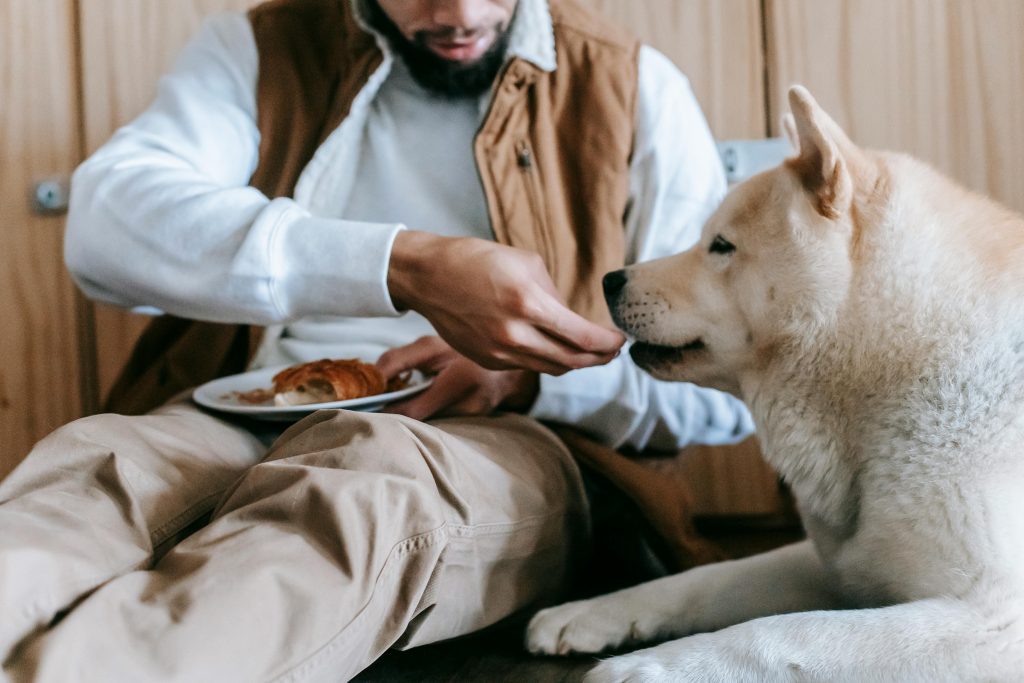
Try hand feeding. Offer small pieces of food directly from your hand. Some dogs eat willingly when fed by hand, particularly if stress or anxiety is affecting their appetite.
Add a food topper. A small spoonful of plain boiled chicken or low-sodium chicken broth on top of the regular food can stimulate interest. Keep the amount small — the goal is to encourage eating, not to replace the regular diet.
Remove the bowl after fifteen minutes. Do not leave food out all day. Put it down, wait fifteen minutes, and if it has not been touched, pick it up and try again at the next meal time. This removes the option of eating on a casual grazing schedule and often restores appetite.
Check the bowl. Try switching from a plastic bowl to stainless steel or ceramic. Wash the bowl thoroughly — old food residue and bacterial buildup can put dogs off their food.
When to See a Vet — Do Not Wait
Go to the vet the same day if:
- Your dog has not eaten for more than forty-eight hours
- Your dog is a puppy or a senior dog
- There is vomiting alongside the appetite loss, especially repeated vomiting
- There is diarrhea, especially bloody diarrhea
- The dog appears lethargic, weak, or is hiding
- The dog’s abdomen looks bloated or is painful to the touch
- You suspect the dog swallowed something — a toy, clothing, a bone fragment
- The dog is showing signs of pain anywhere in the body
- The dog has pale, white, or yellow-tinged gums
- The dog is drinking significantly more or less water than usual
- There are signs of dental pain — pawing at the mouth, bad breath, dropping food
What the Vet Will Do
The vet will take a full history, asking about when the appetite loss started, what the dog has been eating, any recent changes in the household, medications, and other symptoms.
They will perform a thorough physical examination, including checking the teeth and gums, feeling the abdomen for pain or abnormal masses, checking the lymph nodes, and assessing overall body condition.
Based on the examination, they may recommend:
- Blood and urine tests — to check organ function and look for infection, anemia, or metabolic disease
- X-rays — to check for foreign bodies, organ abnormalities, or gas patterns indicating obstruction
- Ultrasound — for detailed assessment of abdominal organs
- Dental examination under sedation — if dental disease is suspected
Treatment will be directed at the underlying cause. Do not expect the vet to simply prescribe an appetite stimulant without investigating why the dog is not eating — treating symptoms without finding the cause is not good medicine.
Preventing Appetite Problems
- Feed at consistent times every day — routine supports healthy digestion and appetite
- Store food properly — keep dry food in a sealed container away from heat and moisture
- Transition food changes slowly over seven to ten days
- Maintain dental health through regular brushing and professional cleanings
- Keep vaccinations and preventive care current
- Minimize unnecessary stress and provide a stable routine
- Schedule annual vet checkups — many conditions that cause appetite loss are detectable before symptoms appear
Final Thoughts
A dog that stops eating is communicating something. The message may be simple — the food is stale, or the dog is mildly stressed. Or the message may be urgent — there is pain, illness, or an obstruction that needs immediate attention.
Your job as an owner is to pay attention, assess the situation clearly, try simple remedies if appropriate, and act without hesitation when the signs suggest something serious.
You know your dog better than anyone. Trust that knowledge. If something feels wrong, it probably is.
⚠️ Disclaimer: This article is for informational purposes only and does not replace professional veterinary advice. Always consult a licensed veterinarian if your dog refuses food for more than forty-eight hours or shows any additional symptoms.
Sources: American Kennel Club (AKC), VCA Animal Hospitals, PetMD, Cornell University College of Veterinary Medicine

Stay Updated with Pet Health Tips
Get simple, expert-backed tips, disease alerts, and care guides for your pets—delivered straight to your inbox.