

A colleague of mine noticed that her cat had been sleeping more than usual for about two weeks. He was still eating — not as enthusiastically as before, but eating. He was still using the litter box. He was not crying or making any unusual sounds.
She assumed he was just having a quiet phase.
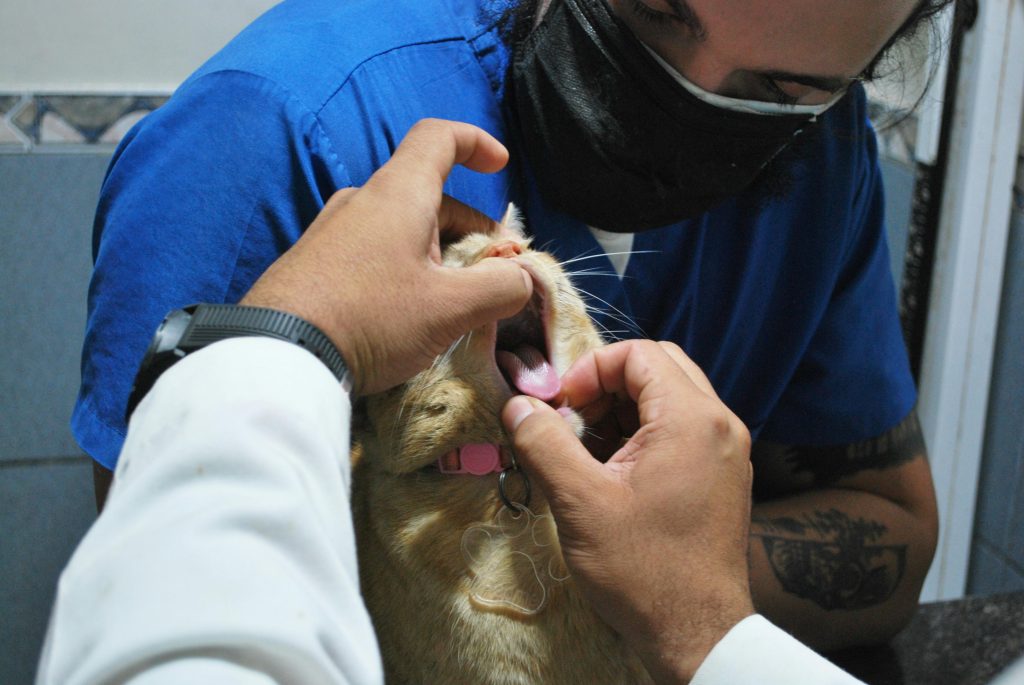
When she finally took him to the vet for a routine checkup, the vet discovered severe dental disease — three infected teeth that required immediate extraction. The vet told her that based on the level of infection, the cat had almost certainly been in significant pain for at least a month.
He had shown no obvious signs. No crying. No limping. No dramatic changes. Just slightly less enthusiasm for food and slightly more time sleeping.
That story changed how I think about cats and pain. Because the truth is — cats are extraordinarily good at hiding it.
Why Cats Hide Pain
Understanding why cats conceal pain is the foundation of recognizing it.
Cats are both predators and prey animals. In the wild, showing weakness — slowing down, changing behavior, appearing vulnerable — attracts the attention of larger predators. An injured or sick cat that reveals its condition risks being targeted.
This survival instinct is deeply hardwired into feline behavior and persists completely in domestic cats despite thousands of years of living alongside humans. A cat in pain does not cry out for help the way a human or even a dog might. Instead, it conceals the pain as effectively as possible — continuing to eat, continuing to move, continuing to appear normal for as long as it can manage.
By the time a cat shows obvious signs of pain, the condition causing that pain is often already significantly advanced.
This is why understanding the subtle, early signs of pain in cats is so important. Waiting for obvious signs means waiting too long.
The Difference Between Acute and Chronic Pain
Before looking at specific signs, it helps to understand that pain in cats falls into two broad categories that present differently.
Acute Pain
Acute pain comes on suddenly — from an injury, a procedure, a sudden illness, or an acute flare of a chronic condition. It is intense and recent. Cats experiencing acute pain are more likely to exhibit obvious behavioral changes because the suddenness of the pain exceeds their ability to conceal it fully.
Examples include pain from a traumatic injury, a urinary blockage, a tooth abscess that has suddenly worsened, or postoperative pain.
Chronic Pain
Chronic pain develops slowly over weeks, months, or years. It is the type of pain most commonly missed by owners because the cat gradually adapts to worsening discomfort, and behavioral changes occur so slowly that they are normalized rather than recognized as signs of pain.
Examples include pain from arthritis, dental disease, kidney disease, cancer, or inflammatory bowel disease.
Chronic pain is significantly more common in cats than most owners realize — particularly in older cats — and significantly more commonly missed.
Subtle Signs of Pain in Cats
These are the signs most commonly missed — the quiet, gradual changes that accumulate over time and are easy to rationalize or overlook.
Changes in Grooming Habits
Cats are meticulous self-groomers. A change in grooming habits — in either direction — is a meaningful signal.
Reduced grooming — a cat in pain may groom less than usual, particularly in areas that are difficult to reach when movement is painful. A cat with arthritis, for example, may stop grooming the lower back and base of the tail because twisting to reach those areas is painful. The coat in these areas becomes dull, matted, or unkempt.
Excessive grooming of a specific area — a cat that repeatedly licks or chews one area of the body may be responding to pain, itching, or discomfort in that location. Obsessive licking of the abdomen can indicate abdominal pain. Licking of a specific joint can indicate localized pain in that joint.
Changes in Facial Expression
Research published in the journal Pain in 2019 identified a specific facial expression in cats experiencing pain — called the Feline Grimace Scale. This scale identifies five facial features that change when a cat is in pain:
Orbital tightening — the eyes are partially closed, squinted, or have a tense appearance around the orbital area. A cat in pain often has a squinting or half-closed eye appearance even when alert and awake.
Ear position — the ears rotate away from their normal forward-facing position, flattening or rotating outward and downward. Painful cats often have ears that are slightly lowered, tilted sideways, or rotated back.
Muzzle tension — the muscles around the muzzle become tense, giving the face a rounder, more taut appearance. The cheeks may look slightly puffed.
Whisker position — whiskers move forward and downward rather than their normal relaxed position, fanning out to the sides. A painful cat’s whiskers often appear flattened against the face.
Head position — the head is held lower than usual, often slightly below shoulder level, rather than the normal upright, alert position.
Learning to recognize these facial changes takes practice — but once you know what to look for, a painful cat’s expression is distinctly different from a relaxed, comfortable cat.
Changes in Posture and Movement
Hunched posture — a cat sitting or standing with the back arched upward, the head held low, and the body tense and tucked, is displaying a classic pain posture. This posture protects the abdomen and reduces the movement of painful areas.
Reluctance to jump — a cat that previously jumped onto the sofa, bed, or windowsill without hesitation and now hesitates, approaches and retreats, or has stopped jumping altogether is likely experiencing pain — most commonly from arthritis in the hips, spine, or shoulders.
Stiffness after rest — a cat that moves stiffly or slowly after waking from sleep, particularly in the morning, is displaying a classic sign of arthritis. The stiffness typically improves after the cat moves around for a few minutes.
Changed gait — a subtle change in the way a cat walks — shorter steps, a slight favoring of one leg, a stiff or careful movement pattern — indicates musculoskeletal pain.
Difficulty with litter box — a cat with arthritis or abdominal pain may have difficulty getting in and out of the litter box, squatting in the correct position, or maintaining the squat long enough to eliminate comfortably. This can result in elimination just outside the litter box, which owners often attribute to behavioral problems rather than physical pain.
Changes in Behavior and Personality
Withdrawal and hiding — a normally social cat that begins spending extended time in hidden locations, under the bed, or in rooms they previously rarely visited is displaying a classic pain and illness response. Cats instinctively retreat and hide when they feel vulnerable.
Reduced interaction — a cat that was previously affectionate and interactive but now shows less interest in play, less interest in seeking contact, and generally less engagement with the household may be withdrawing because interaction requires energy and movement that hurts.
Increased irritability or aggression — a cat that was previously gentle and tolerant but now hisses, growls, swipes, or bites when touched — particularly when a specific area is touched — is communicating that touch is causing pain. Never assume a cat has simply become grumpy without investigating whether pain is the underlying cause.
Avoiding being touched or picked up — a cat that previously enjoyed being held or petted but now moves away, tenses when touched, or reacts defensively to being picked up may be responding to pain that is worsened by contact or movement.
Changes in sleep patterns — a cat in chronic pain may sleep more than usual as the body diverts energy toward managing the pain response. They may also sleep in different, more accessible locations — avoiding high spots they previously favored because jumping hurts.
Reduced play — a cat that was previously playful and interactive but now shows little interest in toys, play sessions, or chasing movements may be in pain that makes movement uncomfortable.
Changes in Eating and Drinking
Reduced appetite — pain suppresses appetite. A cat eating noticeably less than usual — particularly a cat that was previously enthusiastic about food — is showing a significant warning sign.
Difficulty chewing — a cat with dental pain may approach the food bowl, sniff the food, and walk away. They may also drop food while chewing, chew only on one side, or show a preference for wet food over dry. These are classic signs of oral pain.
Changes in drinking — increased thirst often accompanies conditions that cause chronic pain, including kidney disease and diabetes. Decreased drinking can accompany nausea from chronic pain.
Changes in Vocalization
Increased vocalization — some cats in pain become more vocal than usual, calling out, yowling, or meowing in a way that seems different from their normal vocal patterns. This is more common in cats experiencing acute or severe pain.
Purring — this surprises many people, but cats sometimes purr when in pain. Purring is not exclusively a sign of contentment — it is a self-soothing mechanism that cats use in stressful and painful situations. The vibration of purring may have a self-healing function. A cat that is purring but also showing other signs of distress should not be assumed to be comfortable simply because they are purring.
Growling, hissing, or crying when touched — direct verbal communication of pain when a specific area is touched or manipulated.
Changes in Litter Box Behavior
Any change in litter box habits should be taken seriously and investigated medically before assuming a behavioral cause.
Eliminating outside the litter box — particularly in cats with no previous history of this behavior — can indicate arthritis, making the box difficult to access, a urinary tract infection causing urgency, kidney or bladder pain, or constipation causing painful straining.
Straining in the litter box — a cat that sits in the litter box for extended periods without producing urine or feces, or that produces only small amounts with visible effort, may be in pain from urinary blockage, constipation, or other digestive problems.
Blood in urine or feces — always requires immediate veterinary attention.
Obvious Signs of Pain in Cats
These signs are more immediately recognizable and should prompt same-day veterinary attention.
Limping or Lameness
A cat that is limping — favoring one leg, holding a leg off the ground, or refusing to bear weight on a limb — is in pain. The cause may be an injury, a foreign body in the paw, a fracture, arthritis, or a more serious condition.
Examine the affected paw carefully for wounds, thorns, or swelling. Any limping that persists for more than a few hours warrants veterinary attention.
Crying or Vocalizing in Pain
A cat that cries out when moving, when touched, or spontaneously is expressing pain that has exceeded its ability to conceal. This level of pain requires immediate veterinary attention.
Guarding a Body Part
A cat that consistently protects a specific area of the body — holding it away from contact, tensing when it is approached, or reacting defensively when it is touched — is indicating that the area is painful.
Rapid or Labored Breathing
Rapid, shallow breathing at rest — or breathing with visible effort — can indicate pain, respiratory distress, or both. This is an emergency sign requiring immediate veterinary attention.
Inability to Move or Sudden Collapse
A cat that collapses, cannot rise, or is unable to use its back legs requires emergency veterinary care immediately. This can indicate a saddle thrombus — a blood clot blocking circulation to the hindlimbs — which is a life-threatening emergency.
Common Causes of Pain in Cats
Understanding the conditions most likely to cause pain in cats helps target what to look for.
Dental Disease
As discussed in the opening story, dental pain is one of the most common and most commonly missed sources of pain in cats. Periodontal disease, tooth root abscesses, and tooth resorption lesions cause significant chronic pain that cats conceal with remarkable effectiveness.
Regular dental checkups and professional cleanings are essential for identifying and treating dental pain before it becomes severe.
Arthritis
Arthritis is far more common in cats than most owners realize. Studies have found radiographic evidence of arthritis in more than ninety percent of cats over twelve years of age. Yet it is diagnosed far less frequently than this prevalence suggests — because cats conceal the pain so effectively.
Classic signs of arthritis in cats include reluctance to jump, stiffness after rest, reduced grooming of the lower back, and changes in litter box behavior. These signs are often attributed to normal aging rather than a treatable painful condition.
Arthritis in cats is very manageable with appropriate veterinary treatment, including pain medication, weight management, environmental modifications, and joint supplements.
Urinary Problems
Urinary tract infections, bladder stones, and feline idiopathic cystitis all cause significant pain and discomfort. Urinary blockage — particularly common in male cats — is a life-threatening emergency that causes extreme pain and rapid deterioration.
Any cat that is straining to urinate, producing little or no urine, visiting the litter box repeatedly without result, or crying in the litter box requires same-day veterinary attention.
Kidney Disease
Chronic kidney disease is very common in older cats. As kidney function declines and toxins accumulate in the blood, cats experience chronic nausea, malaise, and discomfort. The pain is diffuse and difficult to localize, which makes it particularly easy to miss.
Gastrointestinal Pain
Inflammatory bowel disease, pancreatitis, constipation, and gastrointestinal obstruction all cause significant abdominal pain. A cat with abdominal pain typically adopts a hunched posture, is reluctant to be touched on the belly, and shows reduced appetite and activity.
Cancer
Cancer causes pain in many different ways depending on its location and type. Bone cancer causes severe local pain. Abdominal tumors cause pressure and discomfort. Oral tumors cause pain when eating. Any unexplained, persistent pain — particularly in a senior cat — warrants investigation for neoplasia.
Injuries and Trauma
Cats that go outdoors are at risk of injuries from road accidents, falls, fights with other animals, and contact with traps or sharp objects. Indoor cats can fall from furniture or become injured in household accidents.
Any cat that has experienced trauma — or that you find suddenly painful or injured — should be seen by a vet promptly, even if the injury is not immediately visible.
How to Check Your Cat for Pain at Home
If you suspect your cat may be in pain, a gentle at-home assessment can help identify the source before the vet visit.
Observe the cat moving — watch the cat walk across the room. Look for limping, stiffness, an abnormal gait, or reluctance to move certain body parts.
Observe the face — look at the cat at rest. Are the eyes slightly squinted? Are the ears slightly rotated back or sideways? Does the facial expression look tense compared to normal?
Gently feel along the spine — run your hand lightly along the spine from neck to tail. Watch for flinching, tensing, or turning to look at your hand at any specific point.
Gently feel the abdomen — with very light pressure, feel the abdomen. A tense, rigid, or painful abdomen is significant. Do not press hard.
Check the paws — examine each paw for wounds, swelling, or embedded objects.
Check the mouth — if the cat will allow it, gently lift the lips and look at the gums and teeth. Red, swollen gums, visible tartar, or any unusual growths warrant veterinary attention.
Note any specific reactions — which areas cause the cat to flinch, move away, or react defensively? Note this information for the vet.
When to See a Vet
See a vet the same day if your cat shows:
- Any obvious lameness or limping lasting more than a few hours
- Crying or vocalizing in pain
- Straining to urinate with little or no result
- Inability to move or sudden hindlimb weakness
- Rapid or labored breathing
- Significant behavioral changes alongside suspected pain
- Guarding of a specific body area
- Complete loss of appetite alongside other pain signs
See a vet within a few days if your cat shows:
- Subtle behavioral changes that have been building over days or weeks
- Reduced activity and increased sleeping without an obvious cause
- Changed grooming habits
- Reluctance to jump that is new or worsening
- Mild changes in appetite or drinking habits
- Any change in litter box behavior
Do not wait months to see if subtle signs resolve on their own. Early investigation prevents unnecessary suffering and makes treatment more effective.
Pain Management in Cats
Pain management in cats is an active and evolving field of veterinary medicine. Options available through your vet include:
Non-steroidal anti-inflammatory drugs (NSAIDs) — specifically formulated for cats. Human NSAIDs, including ibuprofen and aspirin, are toxic to cats and must never be given. Veterinary NSAIDs require a prescription and regular monitoring.
Gabapentin — highly effective for nerve pain and chronic pain conditions in cats. Also used as an anxiolytic for stressful events like vet visits.
Buprenorphine — an opioid analgesic used for moderate to severe acute pain, often prescribed for postoperative or traumatic pain.
Solensia — a newer monthly injection specifically approved for the treatment of osteoarthritis pain in cats. It targets a specific pain-signaling molecule and has shown excellent results in clinical trials.
Environmental modifications — lowering litter box sides, providing ramps or steps to elevated areas, providing orthopedic bedding, and eliminating the need for climbing and jumping significantly reduce the daily pain burden for cats with arthritis.
Weight management — excess weight dramatically increases the load on painful joints. Even modest weight loss produces meaningful pain reduction in overweight arthritic cats.
Complementary therapies — acupuncture, laser therapy, and physiotherapy have evidence of benefit for chronic pain conditions in cats, particularly arthritis.
Never give any pain medication to a cat without veterinary guidance. Many human and dog pain medications are dangerously toxic to cats.
Final Thoughts
Your cat cannot tell you they are in pain. They are biologically programmed to hide it. That silence places the entire responsibility for recognizing their suffering on you.
It is a responsibility that requires attention, knowledge, and a willingness to look beyond the surface. A cat that is eating and moving is not necessarily a cat that is comfortable. Changes in posture, behavior, grooming, and personality — however subtle — are the language your cat uses to communicate pain.
Learn that language. Watch carefully. Act promptly.
Your cat’s quality of life depends on it.
⚠️ Disclaimer: This article is for informational purposes only and does not replace professional veterinary advice. Always consult a licensed veterinarian if you suspect your cat is in pain.
Sources: Cornell Feline Health Center, American Association of Feline Practitioners (AAFP), Feline Grimace Scale Research, VCA Animal Hospitals, Journal of Feline Medicine and Surgery

Stay Updated with Pet Health Tips
Get simple, expert-backed tips, disease alerts, and care guides for your pets—delivered straight to your inbox.