

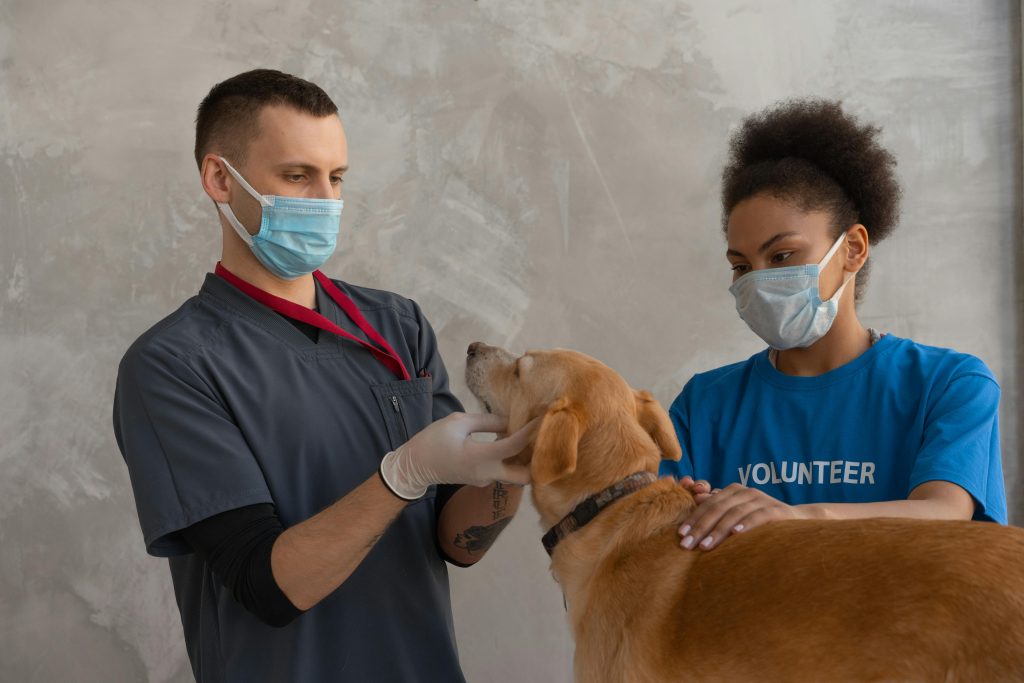
A few years ago, my friend’s Labrador started losing patches of fur around the neck and shoulders. The skin underneath looked red, flaky, and irritated. My friend assumed it was just dry skin and tried switching shampoos. Three months later, the patches had spread across half the dog’s back, and the dog was scratching constantly.
When they finally went to the vet, the diagnosis was a fungal skin infection combined with a secondary bacterial infection — both caused by leaving the original problem untreated for too long.
The vet told them something I have never forgotten: skin problems in dogs almost never resolve on their own. They start small, get ignored, and quietly get worse until the dog is in real discomfort.
If your dog has any kind of skin issue — itching, redness, hair loss, flaking, or unusual smell — this guide will help you understand what is happening, what is causing it, and what needs to be done.
Why Skin Problems Are So Common in Dogs
The skin is the largest organ in a dog’s body. It forms a barrier between the internal organs and the outside world — protecting against bacteria, fungi, parasites, allergens, and physical injury.
When that barrier is compromised — by allergies, parasites, nutritional deficiencies, or infections — skin problems develop.
Dogs are particularly vulnerable to skin issues because they spend significant time outdoors, interact closely with other animals, and cannot communicate discomfort until it has already become significant. By the time a skin problem is visible to the owner, it has often been developing for some time.
How to Check Your Dog’s Skin at Home
Regular skin checks during grooming sessions help catch problems early. Here is how to do it properly:
Part the fur in several locations across the body — the neck, back, belly, armpits, groin, and between the toes. Look directly at the skin, not just the coat.
You are checking for:
- Redness or pink discoloration
- Flaking or scaling
- Crusting or oozing
- Hair loss or thinning
- Bumps, lumps, or raised areas
- Black specks that could be flea dirt
- Unusual smell
- Thickened or darkened skin in any area
Also check the ears — lift the ear flap and look inside. Healthy ears are pale pink and odorless. Red, waxy, smelly ears indicate infection.
Make skin checks a regular part of grooming. A problem caught early is far easier and less expensive to treat than one that has been developing for months.
The Most Common Dog Skin Problems
1. Allergic Skin Disease — Atopy
Allergic skin disease, also called canine atopy, is the most common chronic skin condition in dogs. It is an inflammatory reaction triggered by environmental allergens — pollen, dust mites, mold spores, and grass being the most frequent culprits.
The immune system of an allergic dog overreacts to these substances, triggering intense inflammation in the skin.
Symptoms:
- Intense, persistent itching — especially around the paws, face, ears, armpits, and groin
- Red, inflamed skin
- Repeated ear infections
- Licking and chewing at the paws
- Rubbing the face on the carpet or furniture
- Hair loss in affected areas from constant scratching
When it occurs: Atopy is often seasonal at first, worse in spring and summer when pollen counts are high. Over time, many dogs become reactive year-round as they develop sensitivities to more allergens.
Treatment: Atopy cannot be cured but can be managed effectively. Treatment options include:
- Apoquel — a prescription oral medication that provides rapid relief from itching
- Cytopoint — a monthly injectable treatment that blocks the itch signal
- Corticosteroids — effective but used short-term due to side effects with prolonged use
- Allergen immunotherapy — a long-term treatment involving injections of small amounts of the allergen to desensitize the immune system
- Regular bathing with hypoallergenic shampoo to remove allergens from the coat
2. Food Allergy Dermatitis
Food allergies cause skin symptoms very similar to environmental allergies — intense itching, red skin, and recurring ear infections. The difference is that food allergy symptoms occur year-round and do not improve with the seasons.
The most common food allergens in dogs are chicken, beef, dairy, eggs, wheat, and soy. Interestingly, these are also the most common ingredients in commercial dog food — which is why food allergies can be difficult to identify.
Symptoms:
- Year-round itching that does not improve seasonally
- Itching focused around the face, paws, ears, and rear end
- Recurring ear infections
- Gastrointestinal symptoms in some dogs — loose stools, vomiting, or excessive gas
Diagnosis: The only reliable way to diagnose a food allergy is through an elimination diet trial. The dog is fed a novel protein diet — a protein source they have never eaten before, such as duck, venison, or rabbit — for eight to twelve weeks. All other food, treats, and flavored medications are eliminated. If symptoms improve significantly, a food allergy is confirmed.
Treatment: Once the offending ingredient is identified, it is permanently removed from the diet. A dog with a chicken allergy, for example, must eat food that contains no chicken, chicken fat, or chicken by-products for the rest of their life.
3. Flea Allergy Dermatitis
Flea allergy dermatitis is an allergic reaction to flea saliva. When a flea bites a dog, it injects a small amount of saliva into the skin. In allergic dogs — which is most dogs — this triggers an intense immune reaction far out of proportion to the bite itself.
A single flea bite can cause days of intense itching in a sensitized dog. This is why flea allergy dermatitis can be severe even when only a small number of fleas are present — and why you may not see fleas on the dog at all.
Symptoms:
- Intense itching concentrated at the base of the tail, lower back, inner thighs, and belly
- Hair loss in the affected areas from constant scratching and chewing
- Hot, inflamed skin
- Small red bumps or scabs
- Flea dirt — tiny black specks in the coat that turn reddish-brown when wet
Treatment: Year-round flea prevention using a veterinarian-recommended product is the cornerstone of treatment. All pets in the household must be treated simultaneously. The home environment must also be treated — flea eggs and larvae in carpets and bedding will reinfest the dog repeatedly if not addressed.
4. Mange
Mange is a skin disease caused by microscopic mites that burrow into or live on the skin. There are two main types with very different presentations and implications.
Sarcoptic Mange (Scabies)
Caused by the Sarcoptes scabiei mite, which burrows into the skin to lay eggs. Sarcoptic mange causes intense, relentless itching — often described as the worst itch imaginable. It spreads rapidly between dogs and can temporarily affect humans, causing a red, itchy rash.
Symptoms include:
- Extreme itching — often severe enough to cause the dog to scratch until bleeding
- Red, crusty skin — particularly on the ears, elbows, hocks, and belly
- Rapid hair loss
- Thickened, wrinkled skin in chronic cases
Sarcoptic mange is diagnosed by skin scraping — the vet scrapes the skin surface and examines it under a microscope. However, mites can be difficult to find, and many vets treat empirically based on clinical signs.
Treatment involves antiparasitic medications — either topical, oral, or injectable — along with medicated baths. All dogs in the household must be treated.
Demodectic Mange
Caused by the Demodex mite, which lives naturally in the hair follicles of all dogs in small numbers. Demodectic mange develops when the immune system fails to keep mite populations in check — this happens most commonly in puppies, whose immune systems are still developing, and in immunocompromised adult dogs.
Unlike sarcoptic mange, demodectic mange is not contagious and does not affect humans.
Symptoms include:
- Patchy hair loss — often starting around the eyes, mouth, and front legs
- Redness and scaling in affected areas
- Secondary bacterial infection in severe cases
- Milder itching than sarcoptic mange
Localized demodectic mange in puppies often resolves on its own as the immune system matures. Generalized cases require treatment with antiparasitic medications and, if secondary infection is present, antibiotics.
5. Ringworm
Despite its name, ringworm is not a worm at all. It is a fungal infection caused by dermatophyte fungi that infects the hair shafts and outer layer of skin.
Ringworm is highly contagious — between dogs, from dogs to cats, and from animals to humans. Children and immunocompromised individuals are particularly vulnerable to catching ringworm from an infected pet.
Symptoms:
- Circular patches of hair loss — the classic ring shape gives the disease its name
- Scaling or crusting around the edges of the bald patches
- Broken hair shafts that look stubby
- Mild redness but surprisingly little itching in many cases
- Nails may become brittle or misshapen if the fungus infects the nail bed
Diagnosis: Ringworm is diagnosed using a Wood’s lamp examination — some strains fluoresce under ultraviolet light — fungal culture, or microscopic examination of hair samples. Fungal culture is the most reliable method but takes one to three weeks to produce results.
Treatment: Treatment involves antifungal medication — topical creams or shampoos for localized cases, oral antifungal medication for widespread infection. The environment must also be decontaminated, as ringworm spores can survive for months on surfaces, bedding, and grooming equipment.
Treatment typically continues for several weeks beyond apparent resolution to ensure complete elimination of the fungus.
6. Hot Spots — Acute Moist Dermatitis
A hot spot is a rapidly developing area of moist, inflamed, infected skin. It starts when a dog scratches, licks, or chews at a spot — often triggered by an insect bite, allergy, or minor skin irritation. The repeated trauma breaks the skin barrier, bacteria enter, and a rapidly worsening infection develops.
Hot spots can develop from a small area to a large, weeping wound within hours.
Symptoms:
- A moist, red, raw-looking patch of skin
- Matted fur over the affected area
- Oozing discharge
- Foul smell
- The dog cannot stop licking or chewing at the area
- Most common on the neck, head, and hips
Treatment: Clip the fur around the hot spot carefully — this allows air to reach the wound and makes treatment possible. Clean the area with a gentle antiseptic solution. Apply a prescribed topical antibiotic or antiseptic. Most importantly, prevent the dog from licking the area using an Elizabethan collar — the cone — until fully healed.
Oral antibiotics are needed for severe or widespread hot spots. See a vet the same day if the hot spot is large, spreading rapidly, or very painful.
Identify and address the underlying trigger to prevent recurrence.
7. Seborrhea
Seborrhea is a skin condition involving abnormal production of sebum — the oily substance produced by skin glands. It causes either excessively oily skin or dry, flaky skin, or a combination of both.
Primary seborrhea is an inherited condition seen in certain breeds, including Cocker Spaniels, West Highland White Terriers, Basset Hounds, and Labrador Retrievers. Secondary seborrhea develops as a consequence of another condition, such as allergies, hormonal imbalances, or nutritional deficiencies.
Symptoms:
- Dry, flaky skin with visible white or grey scales — similar to dandruff
- Or greasy, oily skin and coat with a rancid smell
- Itching varies from mild to severe
- Secondary bacterial or yeast infections are common
Treatment: Secondary seborrhea is treated by addressing the underlying cause. Primary seborrhea is managed rather than cured — medicated shampoos containing salicylic acid, sulfur, or selenium sulfide help control scaling and odor. Omega-3 fatty acid supplementation improves skin barrier function. Regular grooming helps remove scales and distribute natural oils.
8. Yeast Infection — Malassezia Dermatitis
Yeast — specifically Malassezia pachydermatis — is a normal resident of dog skin. Problems develop when yeast populations grow out of control, typically in warm, moist areas or on skin already compromised by allergies or other conditions.
Yeast infections are extremely common as a secondary complication of allergic skin disease.
Symptoms:
- Intense itching — particularly in the ears, paws, armpits, groin, and skin folds
- A distinctive musty, yeasty odor — often described as a corn chip smell from the paws
- Reddish-brown staining of the fur around affected areas from saliva
- Thickened, darkened, elephant-like skin texture in chronic cases
- Greasy, waxy discharge in the ears
Treatment: Antifungal shampoos, wipes, and ear cleaners provide topical treatment. Oral antifungal medication is needed for widespread or severe yeast infections. The underlying cause — usually allergic skin disease — must also be addressed to prevent rapid recurrence.
9. Bacterial Skin Infection — Pyoderma
Pyoderma literally means “pus in the skin.” It is a bacterial infection of the skin, most commonly caused by Staphylococcus pseudintermedius. Pyoderma almost always develops secondary to another condition — allergies, mange, hot spots, or any other problem that damages the skin barrier.
Symptoms:
- Small red bumps or pustules resembling pimples
- Circular areas of hair loss with a scaly or crusty border — called epidermal collarettes
- Yellow crusts on the skin surface
- Itching and redness
- Foul smell from the skin
Treatment: Bacterial skin infections require antibiotic treatment — either topical for superficial cases or oral for deeper infections. Treatment typically continues for three to four weeks minimum. Stopping antibiotics too early leads to recurrence and antibiotic resistance.
The underlying cause must be identified and treated to prevent the infection from returning.
10. Hormonal Skin Conditions
Several hormonal imbalances cause characteristic skin changes in dogs.
Hypothyroidism — underactive thyroid — causes bilateral, symmetrical hair loss, dry and thickened skin, a dull coat, weight gain, and lethargy. The dog does not typically itch. Diagnosed with a blood test and treated with daily thyroid hormone supplementation.
Cushing’s Disease — excess cortisol from either a pituitary or adrenal tumor — causes symmetrical hair loss on the body while sparing the head and legs, thin, fragile skin, a pot-bellied appearance, increased thirst and urination, and skin that bruises and tears easily. Diagnosed with specific blood and urine tests and managed with medication or surgery.
Sex hormone imbalances — particularly in unneutered animals — can cause hair loss and skin changes that resolve with spaying or neutering.
General Treatment Principles
Regardless of the specific condition, treatment of dog skin problems follows several general principles:
Treat the underlying cause, not just the symptoms. Giving antihistamines to a dog with sarcoptic mange relieves itching temporarily but does nothing about the mites. Proper diagnosis is essential.
Complete full treatment courses. Stopping antibiotics or antifungal treatment early because the skin looks better leads to recurrence and resistance. Always complete the full prescribed course.
Prevent self-trauma. A dog that scratches, licks, or chews at a skin problem makes it significantly worse. Use an Elizabethan collar or recovery suit to prevent access to affected areas during healing.
Address secondary infections. Most chronic skin conditions develop secondary bacterial or yeast infections that must be treated alongside the primary problem.
Schedule follow-up appointments. Skin conditions often require adjustments to treatment based on how the dog is responding. Do not skip follow-up vet visits.
When to See a Vet
See a vet if your dog has:
- Any skin problem that has not improved after one week of home care
- Rapid hair loss in any area
- Skin that is broken, oozing, bleeding, or has an unusual smell
- Patches of thickened or darkened skin
- Suspected mange — home treatment is ineffective
- Any skin problem that is spreading
- Signs of pain or significant distress from a skin condition
- A skin lump or growth that was not there before
Prevention
- Use year-round flea and tick prevention
- Feed a high-quality diet with adequate protein and omega-3 fatty acids
- Bathe with gentle, breed-appropriate shampoo and avoid over-bathing
- Check the skin regularly during grooming
- Dry the coat thoroughly after bathing or swimming — moisture trapped in the coat encourages yeast and bacterial growth
- Keep the dog’s living area clean and wash bedding regularly
- Schedule annual vet checkups — early detection prevents minor skin issues from becoming chronic
⚠️ Disclaimer: This article is for informational purposes only and does not replace professional veterinary advice. Always consult a licensed veterinarian for diagnosis and treatment of skin conditions in your dog.
Sources: Merck Veterinary Manual, VCA Animal Hospitals, American Kennel Club (AKC), PetMD, American College of Veterinary Dermatology (ACVD)

Stay Updated with Pet Health Tips
Get simple, expert-backed tips, disease alerts, and care guides for your pets—delivered straight to your inbox.