

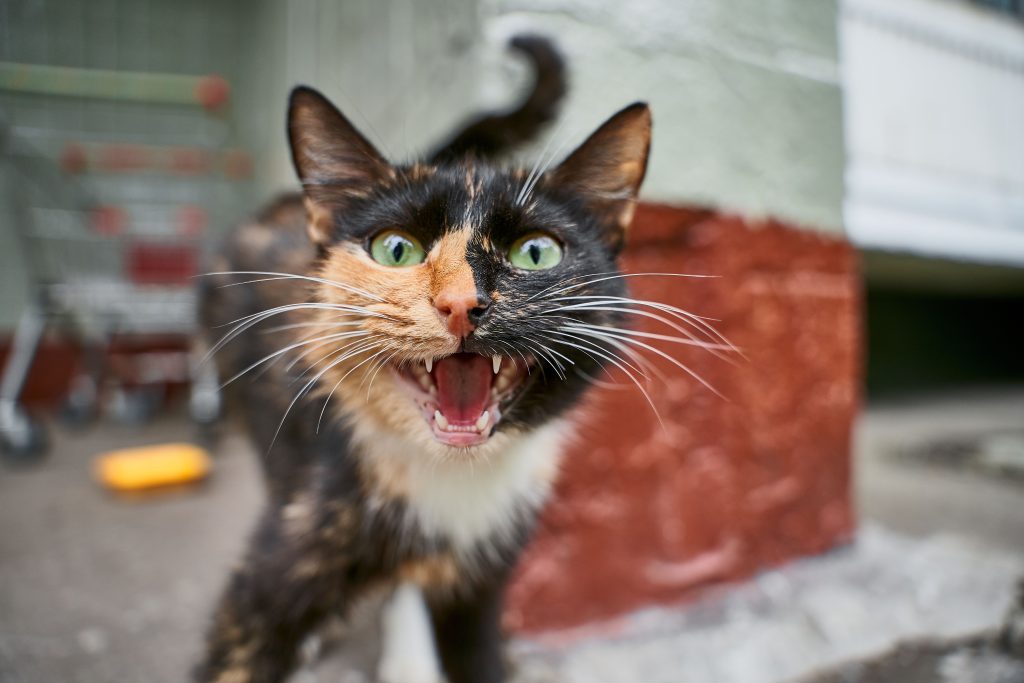
If your cat is meowing excessively and you are wondering why your cat is meowing so much, you are not alone. Excessive meowing is one of the most common concerns cat owners bring to their vets every year.
Cats meow for many reasons. Some are completely normal and harmless. Others signal pain, illness, or an unmet need that requires your attention. Understanding why your cat is meowing so much is the first step toward helping them — and toward getting a good night’s sleep again.
This guide covers every major reason why cats meow excessively, what each type of meowing typically means, and exactly what you can do about it.
Is Excessive Meowing Normal in Cats?
Before exploring the causes, it helps to understand what normal meowing looks like. Cats are naturally vocal animals, but the degree of vocalization varies enormously between individuals and breeds.
Some cats are naturally talkative. Siamese, Burmese, Tonkinese, and Oriental Shorthair breeds are known for high vocalization — they meow frequently as a normal part of their communication style. Other breeds like Persians and Russian Blues are typically quieter.
The important indicator is not the absolute volume of meowing but whether it represents a change from the cat’s normal pattern. A naturally talkative cat that continues to be talkative is not a concern. A previously quiet cat that suddenly begins meowing frequently and loudly is telling you something has changed.
Why Is My Cat Meowing So Much? The Most Common Causes
1. Hunger or Thirst
The most straightforward answer to why my cat is meowing so much is often the simplest one — the cat is hungry or thirsty.
Cats quickly learn that meowing produces food. If your cat has received food in response to meowing in the past, they will meow more to get food again. This learned behavior can become very persistent and loud — particularly in the hour before the scheduled feeding time.
Check the feeding schedule. Ensure the cat has consistent mealtimes and adequate water available at all times. If the cat is meowing at night near the food bowl, a timed automatic feeder that dispenses food at a set time can reduce the meowing without requiring you to wake up.
2. Attention and Social Needs
Cats are more social than their reputation suggests. Many cats — particularly those left alone for extended periods — meow excessively to seek interaction, play, and connection with their owners.
A cat that meows persistently when you are home, follows you between rooms while meowing, or meows specifically when you stop paying attention, is communicating a need for more social interaction.
Increasing daily interactive play — a minimum of fifteen to twenty minutes with a wand toy — and ensuring the cat has environmental enrichment when alone can significantly reduce attention-seeking meowing.
3. Stress and Anxiety
Stress is one of the most common reasons cats meow excessively. A stressed or anxious cat meows more — sometimes constantly — as an expression of their distress.
Common stress triggers that cause excessive meowing include moving to a new home, a new pet or person in the household, changes in routine, conflict with another cat, loud construction or noise, or the absence of a bonded person.
If you have recently experienced any significant household change and your cat’s meowing increased around the same time, stress is very likely the cause. Address the underlying stress through environmental enrichment, stable routines, safe spaces, and, if necessary, veterinary anti-anxiety support.
4. Pain or Illness
Excessive meowing — particularly meowing that sounds different from usual, is more urgent or distressed in tone, or is new behavior in a previously quiet cat — is one of the most important warning signs of pain or illness.
Cats in pain meow more because vocalization is one of the few ways they can communicate distress. Common conditions that cause pain-related meowing include dental disease, arthritis, urinary tract problems, kidney disease, and hyperthyroidism.
If your cat’s meowing is new, has changed in character, or is accompanied by any other symptom — reduced appetite, lethargy, changes in litter box behavior, or weight loss — a veterinary examination is needed promptly.
5. Hyperthyroidism
Hyperthyroidism deserves specific mention because excessive vocalization is one of its most characteristic symptoms. This condition — extremely common in cats over ten years of age — causes the thyroid gland to overproduce thyroid hormone, which accelerates all body functions.
A hyperthyroid cat is typically hyperactive, loses weight despite a good appetite, drinks and urinates more than usual, and meows excessively — often at night. The meowing in hyperthyroid cats is often loud, persistent, and disruptive.
If your cat is middle-aged or older and has developed excessive meowing alongside any of these other signs, a thyroid blood test is essential.
6. Cognitive Dysfunction — Feline Dementia
Senior cats — particularly those over fifteen years — sometimes develop cognitive dysfunction syndrome, which is the feline equivalent of dementia. One of the most characteristic symptoms is loud, repetitive meowing — often at night — that sounds disoriented or confused.
A cat with cognitive dysfunction may appear lost in familiar environments, meow persistently in a way that does not correspond to any obvious need, and show other signs of disorientation, such as staring at walls or forgetting where the litter box is.
Cognitive dysfunction cannot be cured but can be managed with environmental modifications, routine stability, and in some cases, medication prescribed by a vet.
7. Reproductive Behavior — Heat and Mating Calls
An unspayed female cat in heat produces some of the most persistent and loud meowing of any cat behavior. The meowing during estrus is specifically designed to attract mates — it is louder than normal communication meowing, has a distinctive quality, and continues for hours.
Male cats can also meow persistently in response to a nearby female in heat.
Spaying and neutering eliminate this cause. If your female cat is unspayed and has begun meowing loudly and persistently — particularly while rolling on the floor, adopting unusual postures, and appearing restless — she is likely in heat.
8. Boredom and Insufficient Stimulation
Indoor cats that do not receive adequate mental and physical stimulation often vocalize more than cats whose needs are fully met. Boredom meowing typically occurs when the owner is home but not interacting with the cat, or during the quiet periods of the day when the cat has nothing to engage with.
Providing window perches, bird feeders outside windows, puzzle feeders, rotating toy selections, and daily interactive play sessions significantly reduces boredom-related meowing.
9. Night Meowing
Night meowing — a cat that is quiet during the day but meows loudly at night — is one of the most common and frustrating forms of excessive vocalization for cat owners.
Common causes of night meowing include:
Hunger — the cat is hungry after a long gap between the evening meal and morning. A small portion of food or an automatic timed feeder before bed can help.
Cognitive dysfunction — as discussed above, disoriented meowing at night is characteristic of feline dementia.
Hyperthyroidism — the hyperactivity and restlessness of hyperthyroidism are often worse at night.
Loneliness — some cats are more vocal at night when the household is quiet, and they feel alone.
Not spayed or neutered — reproductive meowing is often louder and more frequent at night.
10. Greeting and Communication
Not all excessive meowing signals a problem. Some cats are simply communicative — they meow when you arrive home, when you wake up, when you enter a room, or when something interesting happens. This is social communication and is a sign of a confident, engaged cat.
If the meowing occurs in specific social contexts and the cat appears relaxed and content, it is likely simply their way of talking to you. Responding calmly — acknowledging the cat without over-reinforcing the meowing with intense attention — is the appropriate approach.
What Different Types of Meowing Mean
Learning to read the character of your cat’s meow helps identify the cause more quickly.
Short, high-pitched meow — a greeting or acknowledgment. Common when the cat sees you for the first time in a while.
Multiple meows in quick succession — enthusiastic greeting or excitement. A happy cat.
Low-pitched, drawn-out meow — a complaint or demand. The cat wants something and is communicating mild displeasure at not having it.
Loud, persistent, urgent meowing — hunger, pain, stress, or a strong unmet need. Pay attention to context.
Howling or yowling — loud, drawn-out vocalizations that sound distressed. Associated with pain, cognitive dysfunction, hyperthyroidism, or reproductive behavior. Always warrants investigation.
Chattering — the rapid jaw movement cats make when watching birds. Not a meow — an expression of predatory excitement.
Chirping or trilling — a soft, rolling vocalization. Typically, a positive greeting or an invitation to follow.
When to See a Vet
See a vet if your cat’s excessive meowing:
- Started suddenly in a previously quiet cat
- Has changed in character — louder, more urgent, or distressed-sounding
- Is accompanied by any other symptom, including changes in appetite, weight loss, lethargy, increased thirst or urination, or litter box changes
- Occurs primarily at night in a senior cat
- Does not respond to any of the management strategies below
- Is accompanied by signs of pain — guarding a body part, reluctance to move, changes in posture
How to Reduce Excessive Meowing
Meet Basic Needs First
Ensure food, water, litter box access, and social interaction are all adequate. Many cases of excessive meowing resolve when a specific unmet need is identified and addressed.
Increase Playtime and Enrichment
Daily interactive play sessions of fifteen to twenty minutes reduce boredom and anxiety-driven meowing. Provide puzzle feeders, window perches, and rotating toy selections for independent stimulation.
Maintain a Consistent Routine
Cats thrive on predictability. Feed at consistent times, play at consistent times, and maintain a stable daily rhythm. Routine reduces the anxiety that drives stress-related meowing.
Do Not Reward Meowing With Food
If your cat meows for food and you immediately provide it, you are reinforcing the behavior. Wait until the cat is quiet — even for a few seconds — before providing food. Over time, this teaches the cat that quiet behavior, not meowing, produces results.
This requires patience. The meowing will initially increase — this is called an extinction burst — before it decreases. Stay consistent.
Provide a Safe Space
An anxious cat that meows from stress benefits from having a quiet, enclosed, comfortable retreat where they can decompress. Never force the cat out of this space.
Consider Pheromone Products
Adaptil and Feliway diffusers release synthetic calming pheromones that reduce anxiety in some cats. They are worth trying as a low-risk, non-pharmaceutical intervention for stress-related meowing.
Spay or Neuter
If your cat is not already spayed or neutered, this eliminates reproductive meowing and reduces other hormonally driven vocalizations.
Final Thoughts
Why is my cat meowing so much? is a question with many possible answers. Most of them are manageable once the underlying cause is identified.
Start by ruling out medical causes — particularly in senior cats or cats whose meowing has changed recently. Then assess whether basic needs are being met adequately. Then consider behavioral and environmental factors.
A cat that meows is a cat that is trying to communicate. Your job is to understand what they are saying — and to respond in a way that addresses the genuine need behind the vocalization.
When you get it right, the meowing usually stops. And the quiet that follows is deeply satisfying for both of you.
⚠️ Disclaimer: This article is for informational purposes only and does not replace professional veterinary advice. Always consult a licensed veterinarian if your cat’s meowing is accompanied by other symptoms or represents a sudden behavior change.
Sources: Cornell Feline Health Center, American Association of Feline Practitioners (AAFP), VCA Animal Hospitals, International Cat Care
- Best Food for Dogs
- Why Is My Dog Not Eating
- Dog Fever
- cat vaccinations
- cat in pain
- happy cat
- Dog Skin Problems

Stay Updated with Pet Health Tips
Get simple, expert-backed tips, disease alerts, and care guides for your pets—delivered straight to your inbox.