
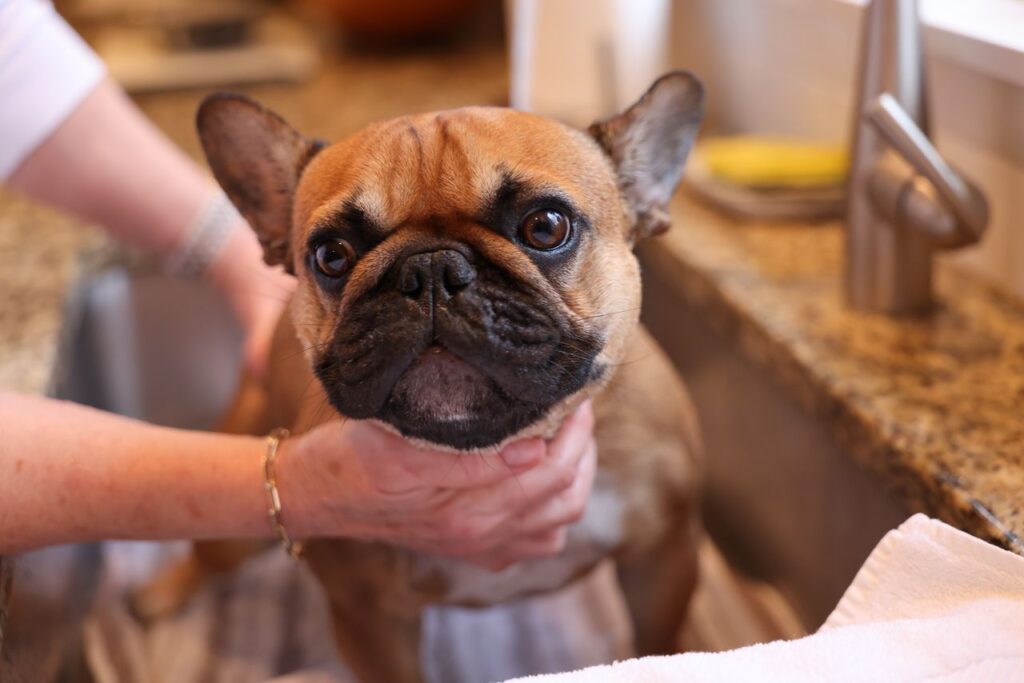
The first time I tried to bathe my dog, Bruno, it did not go well. I filled the bathtub, lifted him in, and within thirty seconds, he had escaped, soaked the entire bathroom, and was now hiding under the bed, dripping wet, while I stood there holding an empty bottle of shampoo.
However, after a few more attempts — and some research into what I was doing wrong — bath time became something Bruno genuinely seemed to tolerate, and eventually even enjoy. The difference was not the dog. It was the technique.
Wondering how to bathe a dog without the chaos? This guide covers preparation, products, bathing techniques, frequency, and tips for nervous dogs. How
How Often Should You Bathe a Dog?
Before getting into the how, it is worth addressing how often, because over-bathing is one of the most common mistakes dog owners make.
Most dogs do not need frequent baths. In fact, bathing too often strips the natural oils from the skin and coat, leading to dryness, irritation, and an actually worse-smelling dog as the skin overproduces oil to compensate.
As a general guideline:
Short-haired, low-odor breeds — every six to eight weeks, or when visibly dirty.
Long-haired or double-coated breeds — every four to six weeks, alongside regular brushing.
Dogs with skin conditions — as recommended by a vet, sometimes more frequently with medicated shampoo.
Bathe outdoor dogs when needed. For minor dirt, rinse them with plain water instead of using shampoo every time.
The right bathing frequency depends on the individual dog. — their coat type, activity level, skin condition, and how quickly they tend to develop odor. If your dog’s skin looks dry, flaky, or irritated, you may be bathing too often. If the coat looks greasy or smells strong between baths, you may need to bathe more frequently.
What You Will Need: How to bathe a dog
Before starting, gather everything you need. Having supplies ready prevents the chaos of searching for a towel while holding a wet, soapy dog.
Dog-specific shampoo — never use human shampoo. Human skin has a different pH than dog skin, and human shampoo can cause dryness and irritation. Choose a shampoo that matches your dog’s coat type and skin condition. There are formulas for sensitive skin, for puppies, for specific coat colors, and for medicated purposes.
A non-slip mat — for the bathtub or shower floor. This prevents the dog from slipping, which is one of the main reasons dogs become anxious during baths.
A handheld shower attachment or a large cup — for controlled rinsing. A direct spray from a showerhead can be startling; a handheld attachment allows gentler, more controlled water flow.
Several towels — more than you think you need. Dogs shake vigorously when wet, and a thorough drying requires multiple towels for most breeds.
Cotton balls — to gently place in the ears to prevent water from entering the ear canal.
Treats — for positive reinforcement throughout the process.
A brush — appropriate for your dog’s coat type, for before and after the bath.
Step-by-Step How to Bathe a Dog
Step 1 — Brush Before Bathing
Brush your dog thoroughly before getting them wet. This is an important and often-skipped step. Brushing removes loose fur, dirt, and tangles before they become matted when wet. — Wet mats are significantly harder to remove and more uncomfortable for the dog.
Remove any tangles or mats before bathing a long-haired dog. Water tightens mats, making them much more difficult to remove afterward.
Step 2 — Prepare the Bathing Area
Place the non-slip mat in the tub or shower. This single addition dramatically reduces anxiety for most dogs — a slippery surface is one of the primary triggers for panic during baths.
Place cotton balls lightly in the ear openings. Do not push them deep inside the ears. This helps prevent ear infections, which are a common consequence of water entering the ears during bathing.
Step 3 — Use Lukewarm Water
Test the water temperature before introducing your dog. Use lukewarm water that feels comfortable to the touch. Dogs are sensitive to temperature extremes, and water that feels comfortable to a human hand may be too hot or cold for a dog.
Step 4 — Wet the Coat Thoroughly
Using the handheld shower attachment or cup, wet your dog’s coat completely, starting from the neck and working backward toward the tail. Starting at the neck and avoiding the head initially helps prevent the startled reaction many dogs have to water on the face.
ensure the water penetrates to the skin — not just the surface of the coat. This is particularly important for double-coated and long-haired breeds, where the undercoat can remain dry even when the outer coat appears wet.
Step 5 — Apply Shampoo
Follow the product instructions when diluting shampoo. Many dog shampoos are concentrated and require water before use. Apply the diluted shampoo starting from the neck and working backward, massaging gently into the coat and down to the skin.
Avoid the eyes, ears, and nose. Furthermore, for the face, use a damp cloth with a small amount of shampoo rather than pouring shampoo directly near these sensitive areas.
Take your time massaging the shampoo through the coat. Also, this step is where most of the actual cleaning happens — the longer the shampoo has contact with the skin and coat, the more effectively it removes dirt, oil, and odor-causing bacteria.
Step 6 — Rinse Thoroughly
This is the step most commonly rushed — and the consequences of rushing it are significant. Rinse until you genuinely believe all shampoo is gone, and then rinse for another minute.
Leftover shampoo can cause itching, dryness, and skin irritation. The residue attracts dirt more readily, meaning your dog will get dirty again faster if the shampoo is not fully rinsed out. How to bathe a dog
Work systematically from the neck backward, paying particular attention to areas where shampoo tends to accumulate — the armpits, the belly, between the toes, and around the tail base.
Step 7 — Clean the Face Separately
For the face, use a damp washcloth rather than direct water application. Gently wipe around the eyes, the muzzle, and under the chin. Additionally, if your dog has facial folds — common in brachycephalic breeds like Bulldogs and Pugs — clean carefully within these folds, as they trap moisture and debris that can cause skin infections if neglected.
Step 8 — Towel Dry
Immediately after the bath, wrap your dog in a towel and absorb as much water as possible. Press the towel against the coat rather than rubbing vigorously, which can cause tangling in longer coats.
For dogs with thick or double coats, multiple towels may be needed. Allow the dog to shake — this is their natural mechanism for removing excess water and is highly effective. How to bathe a dog
Step 9 — Complete Drying
You can dry your dog in different ways depending on the breed, coat type, and weather.
Air drying works well for short-haired dogs in warm weather. Keep the dog in a warm area away from drafts until fully dry. How to bathe a dog
. Owen drying works well for many dogs, especially in warm weather.
Blow drying — for long-haired or double-coated breeds, particularly in cold weather, a blow dryer on a low, cool setting helps prevent matting and reduces the time the dog spends wet and potentially cold. Always use the lowest heat setting and keep the dryer moving — never hold it in one spot, which can burn the skin.
Dogs can become chilled if they stay wet for too long. weather — is at risk of becoming chilled. Complete the drying process before allowing outdoor access in cool weather.
Step 10 — Brush Again
Once fully dry, brush through the coat again. This removes any remaining loose fur, distributes natural oils that have been refreshed during the bath, and leaves the coat looking and feeling at its best.
Tips for Nervous or First-Time Bathers
Many dogs find bath time stressful — particularly if they have had negative experiences or were never introduced to bathing gradually. These strategies help build a positive association. How to bathe a dog
Start Without Water
For a dog with significant bath anxiety, begin by simply placing them in the empty, dry tub and giving treats and praise. Furthermore, repeat this over several sessions until the dog is relaxed in the tub before introducing any water at all.
Use a Calm, Reassuring Voice
Your emotional state transfers to your dog; speak in a calm, low, reassuring tone throughout the bath — even if you are internally stressed about the chaos unfolding. How to bathe a dog
Reward Throughout
Provide treats and praise throughout the bathing process — not just at the end. Also, this creates ongoing positive associations rather than the dog simply enduring an unpleasant experience for a reward at the very end.
Avoid Restraint and Force
Holding a dog down forcefully increases panic and creates negative associations with bathing. Furthermore, if your dog shows genuine distress, end the session early and try again another day with a more gradual approach — rather than forcing the bath to completion. How to bathe a dog
Consider Professional Grooming for Severe Anxiety
For dogs with extreme bath-related anxiety, professional groomers have experience, equipment, and techniques that can make the process significantly less stressful. This is a reasonable option rather than a failure on the owner’s part.
Special Considerations
Bathing Puppies
You can bathe a puppy from around eight weeks of age. However, most puppies do not need a bath unless they get very dirty. Use a gentle, puppy-specific shampoo, keep the water comfortably warm, and keep the experience brief and positive — early bath experiences shape how a dog feels about bathing for life.
Bathing Senior Dogs
Senior dogs — particularly those with arthritis — may find it difficult or painful to step into a tub or stand for an extended period. A non-slip surface is even more critical, and a shorter bath with a focus on efficiency reduces the time spent standing. Also, some owners use a raised platform or a walk-in shower to reduce the physical demands on an older dog.
Bathing Dogs With Skin Conditions
Dogs with diagnosed skin conditions often require medicated shampoos prescribed by a vet. These shampoos typically require a specific contact time — the shampoo needs to remain on the skin for a set period, often five to ten minutes, before rinsing — to be effective. Follow the product instructions precisely for these specialized products.
What to Do If Your Dog Gets Skunked
If your dog has an encounter with a skunk, tomato juice — the traditional remedy — is largely ineffective. Therefore, a more effective approach uses a mixture of hydrogen peroxide, baking soda, and a small amount of dish soap. However, consult your vet or a reliable source for the correct ratios, and be aware that hydrogen peroxide can lighten dark fur.
What Not to Do
Do not use human shampoo — the pH difference causes skin irritation.
Do not use water that is too hot — dogs are more sensitive to heat than humans realize, and hot water can scald sensitive skin.
Do not get water or shampoo in the eyes or ears — this irritates and, for the ears, increases infection risk.
Do not skip the rinse — incomplete rinsing is one of the most common causes of post-bath itching.
Do not bathe too frequently — over-bathing strips natural oils and worsens skin and coat health.
Do not leave a wet dog in a cold environment — particularly for puppies, senior dogs, and small breeds, which are more vulnerable to chilling.
When Bathing Reveals a Problem
While bathing, you have an excellent opportunity to check your dog’s skin and coat condition closely. Therefore, pay attention to:
Lumps or bumps —Note any new growth and tell your vet about it.
Skin redness, flaking, or irritation — may indicate allergies, infection, or other skin conditions.
Parasites — fleas, ticks, and flea dirt are often more visible when the coat is wet and parted.
Ear odor or discharge — check the ears before and after bathing for signs of infection.
Unusual smells — a persistent, strong odor even after bathing may indicate a skin infection, ear infection, or dental disease rather than simply needing a bath.
If you notice any of these issues, contact your vet as soon as possible.
Final Thoughts
Bruno’s escape from that first chaotic bath taught me that bathing a dog successfully is far more about preparation, technique, and patience than it is about brute force or quick scrubbing. Furthermore, a non-slip mat, lukewarm water, a calm voice, and plenty of treats transformed bath time from a wrestling match into something Bruno tolerated calmly — and now occasionally even seems to enjoy, particularly the post-bath cookies around the living room. Therefore, take your time. Prepare properly. Build positive associations gradually. And remember that a calm, well-executed bath is good not just for your dog’s coat and skin, but for your relationship with them too.
⚠️ Disclaimer: This article is for informational purposes only and does not replace professional veterinary advice. If your dog has a diagnosed skin condition, always follow your veterinarian’s specific bathing instructions and product recommendations.
Sources: American Kennel Club (AKC), VCA Animal Hospitals, PetMD, American Veterinary Medical Association (AVMA)

Stay Updated with Pet Health Tips
Get simple, expert-backed tips, disease alerts, and care guides for your pets—delivered straight to your inbox.