
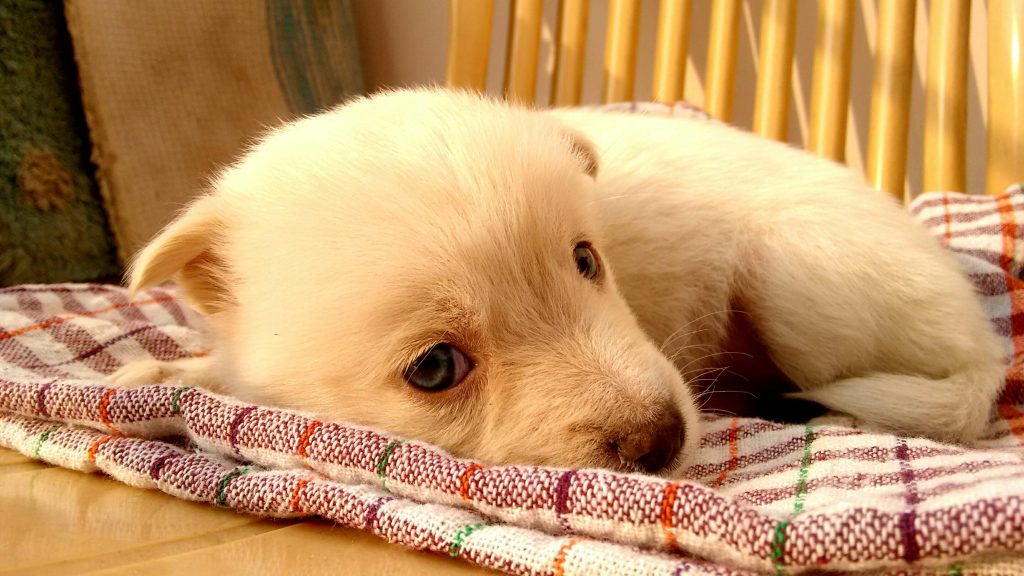
The day I brought home my first puppy, I was completely unprepared.
I had a bed, some food, and a toy. I thought that was enough. Within the first week, the puppy had chewed through two pairs of shoes, cried every night until 3 am, refused to eat the food I bought, and had an accident on the floor every few hours.
I was exhausted, confused, and honestly a little overwhelmed. I kept thinking — why did nobody tell me about all of this?
That is exactly why I wrote this guide. If you are a first-time owner, or you are about to become one, this is everything I wish someone had told me before I brought that home. From the first day setup to feeding, training, health care, and socialization — I will cover everything step by step.
Before the Puppy Comes Home
The biggest mistake first-time owners make is not preparing the home before the arrives. A puppy is like a curious, energetic toddler that can fit into small spaces and chew on absolutely anything.
Puppy-Proof Your Home
Get down on your hands and knees and look at your home from a puppy’s eye level. You will be surprised by what you see.
Remove or secure anything that could be dangerous:
- Electrical cords — puppies love to chew these. Use cord covers or tape them behind furniture.
- Toxic plants — many common houseplants are toxic to dogs, including pothos, aloe vera, sago palm, and peace lily. Remove them or place them completely out of reach.
- Chemicals and medications — move all cleaning products, pesticides, and medications to high shelves or locked cabinets.
- Small objects — coins, buttons, rubber bands, and small toys are choking hazards. Keep floors clear.
- Garbage bins — get bins with secure lids or keep them inside cabinets.
- Shoes and clothing — if it is within reach, the puppy will chew it. Store shoes in closed spaces.
Set Up a Puppy Space
Your puppy needs a designated safe space — a small area where they can sleep, eat, and feel secure. This does not need to be elaborate. A corner of the living room or kitchen works well.
You will need:
- A comfortable dog bed or crate with soft bedding
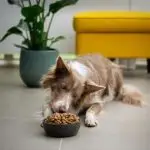
- Food and water bowls — stainless steel or ceramic, not plastic
- A few safe chew toys
- Puppy pads if you are starting indoor toilet training
A crate is highly recommended for puppies. When introduced properly, a crate becomes the puppy’s safe den — a place they go voluntarily to rest. It also helps enormously with toilet training. Choose a crate that is large enough for the puppy to stand, turn around, and lie down comfortably.
The First Day at Home
The first day is overwhelming for the puppy, not just for you. The puppy has just been separated from their mother and littermates for the first time. Everything is new — the smells, the sounds, the people.
Keep it calm and quiet. Do not invite friends and family over on the first day. Limit the number of people the puppy meets immediately. Give them time to explore the new environment at their own pace.
Show them their space first. Carry the puppy directly to their designated area. Let them sniff around, find the water bowl, and explore.
Take them outside immediately. As soon as you arrive home, take the puppy to the spot where you want them to toilet. Wait patiently. If they go, praise them enthusiastically. This begins the toilet training process from day one.
Expect crying at night. The first few nights are hard. The puppy is used to sleeping with their littermates and will likely cry when left alone. A warm water bottle wrapped in a towel placed near the bed can help simulate the warmth of littermates. A ticking clock nearby mimics a heartbeat and is surprisingly calming.
Do not take the puppy into your bed to stop the crying. This creates a habit that is very difficult to break later.
Feeding Your Puppy
Nutrition is one of the most important aspects of puppy care. Getting this right sets the foundation for a healthy adult dog.
What to Feed
Always feed a food that is specifically formulated for puppies — not adult dog food. Puppy food has higher levels of protein, fat, calcium, and phosphorus to support rapid growth and development.
Look for foods where a named protein — chicken, beef, lamb, or fish — is listed as the first ingredient. Avoid foods where the first ingredients are corn, wheat, or vague terms like “meat meal” or “animal by-products.”
Good puppy food brands to research include Royal Canin, Hill’s Science Diet Puppy, and Purina Pro Plan Puppy. Ask your vet for a recommendation based on your puppy’s breed and size.
How Much to Feed
Follow the feeding guide on the food packaging as a starting point. Adjust based on your puppy’s body condition — you should be able to feel the ribs with gentle pressure but not see them prominently.
How Often to Feed
- 8 to 12 weeks old: Four meals per day
- 3 to 6 months old: Three meals per day
- 6 to 12 months old: Two meals per day
Never leave food out all day for a puppy to graze on. Setting meal times helps regulate digestion, makes toilet training easier, and lets you monitor how much the puppy is eating.
Transitioning Food
If you are changing from the food the breeder or shelter was using, do it gradually over seven to ten days. Mix a small amount of the new food with the old food, slowly increasing the proportion of new food each day. A sudden switch causes stomach upset and diarrhea in most puppies.
Foods to Avoid
Never give your puppy chocolate, grapes, raisins, onions, garlic, xylitol, avocado, or macadamia nuts. These are all toxic to dogs. Also, avoid giving table scraps — human food is often too salty, too fatty, or contains ingredients harmful to puppies.
Toilet Training
Toilet training requires patience, consistency, and a positive attitude. Most puppies can be reliably toilet-trained by four to six months of age if training is done correctly from the start.
The Basic Rules
Take the puppy outside frequently. Puppies have tiny bladders and poor bladder control. Take them outside:
- First thing in the morning
- After every meal
- After every nap
- After playtime
- Every one to two hours during the day
- Last thing before bed at night
Always go to the same spot. The smell of previous toilet visits encourages the puppy to go again in the same place.
Praise immediately when they go outside. The moment the puppy finishes toileting outside, praise them enthusiastically and offer a small treat. The timing must be immediate — puppies connect consequences to actions only within a few seconds.
Never punish accidents indoors. If you find a puddle or mess, clean it up calmly with an enzymatic cleaner and move on. Punishing a puppy after the fact achieves nothing — they cannot connect the punishment to something they did minutes ago. It only creates fear and confusion.
If you catch them in the act, say “no” calmly and immediately take them outside to finish. Then praise them when they go outside.
Accidents are normal. Expect them. The goal is to reduce them gradually over weeks, not to eliminate them instantly.
Basic Training
Training should begin from the very first day the puppy comes home. Young puppies are like sponges — they learn incredibly fast between eight and sixteen weeks of age. This window is the most important period for shaping behavior.
Always Use Positive Reinforcement
Reward the behaviors you want to see more of. Use small, soft treats, enthusiastic praise, or play as rewards. Never use physical punishment, yelling, or intimidation. These methods damage the puppy’s trust and create fear-based behavior problems.
The Five Commands Every Puppy Should Learn First
Sit — the foundation of all training. Hold a treat close to the puppy’s nose and slowly move it back over their head. As the nose goes up, the bottom goes down. The moment they sit, say “sit,” and give the treat immediately.
Stay — once the puppy knows sit, ask them to sit, then hold your palm out and say “stay.” Take one step back. If they stay, return and reward. Gradually increase the distance and duration.
Come — crouch down, open your arms, say “come” in an excited, happy voice. When the puppy reaches you, reward enthusiastically. This command can save your puppy’s life one day.
Leave it — place a treat on the floor and cover it with your hand. When the puppy stops trying to get it and looks at you, say “leave it” and reward with a different treat. This teaches the puppy to leave dangerous objects alone.
No — use a calm, firm voice. Never shout. One clear “no” followed by redirecting to appropriate behavior works far better than repeated yelling.
Keep Training Sessions Short
Puppies have short attention spans. Train for five to ten minutes at a time, two to three times per day. Always end on a success so the puppy associates training with positive feelings.
Socialization
Socialization is the process of exposing your puppy to a wide variety of people, animals, environments, sounds, and experiences during the critical window between three and sixteen weeks of age.
A well-socialized puppy grows into a confident, friendly, and well-adjusted adult dog. A poorly socialized puppy often becomes fearful, anxious, or aggressive — and these problems are extremely difficult to correct once the critical window has passed.
What to Socialize Your Puppy With
- Different types of people — men, women, children, people with hats, uniforms, beards, umbrellas
- Other vaccinated dogs and puppies
- Different surfaces — grass, gravel, tiles, sand, wooden floors
- different sounds — traffic, thunder, fireworks, vacuum cleaners, doorbells
- Different environments — car rides, parks, pet-friendly shops, the vet clinic
- Being handled — touching the ears, paws, mouth, and tail regularly prepares them for vet examinations and grooming
Important Safety Note
Until your puppy has completed their core vaccinations — usually around sixteen weeks — avoid areas frequented by unknown dogs like dog parks or busy public areas. Your vet can advise you on what is safe based on your specific puppy’s vaccination schedule.
Puppy classes run by certified trainers are an excellent option — they provide controlled socialization with other vaccinated puppies in a safe environment.
Health Care Essentials
Vaccinations
Puppies need a series of core vaccinations starting at six to eight weeks of age. The typical schedule is:
- 6 to 8 weeks: First combination vaccine — covers distemper, hepatitis, and parvovirus
- 10 to 12 weeks: Second combination vaccine booster
- 14 to 16 weeks: Third combination vaccine booster, plus rabies vaccine
- 12 to 16 months: Booster vaccines
After the puppy series is complete, most vaccines are given every one to three years, depending on the specific vaccine and your vet’s recommendations.
Do not skip or delay vaccinations. Parvovirus and distemper are highly contagious and can be fatal in unvaccinated puppies.
Deworming
Puppies are commonly born with intestinal worms passed from their mother. Start deworming at two weeks of age and repeat every two weeks until twelve weeks, then monthly until six months of age. After that, deworm every three months or as your vet recommends.
Signs of worms include a pot-bellied appearance, visible worms in the stool, poor growth, diarrhea, and a dull coat.
Flea and Tick Prevention
Start flea and tick prevention early. Ask your vet for a safe product appropriate for your puppy’s age and weight. Many flea products are not safe for very young puppies — always check the minimum age on the label.
Spaying and Neutering
Most vets recommend spaying females and neutering males between six and twelve months of age, depending on the breed and size. Spaying and neutering reduce the risk of certain cancers, eliminate the risk of unwanted litters, and can reduce certain behavioral issues.
First Vet Visit
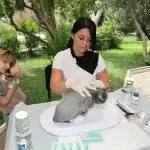
Schedule a vet appointment within the first week of bringing your puppy home. The vet will do a full health check, confirm or start the vaccination schedule, check for parasites, and answer any questions you have.
Establish a relationship with a vet you trust before any problems arise. This makes everything easier when your puppy is sick.
Exercise Needs
Puppies need exercise — but not too much. Over-exercising a young puppy can damage developing joints and bones, especially in large breeds.
A good rule of thumb is five minutes of exercise per month of age, twice per day. So a three-month-old puppy needs fifteen minutes of exercise twice a day. A six-month-old needs thirty minutes twice a day.
Short walks, gentle play sessions, and free exploration in a safe garden are ideal. Avoid forced running, jumping from heights, or very long walks until the puppy is fully grown.
Mental stimulation is just as important as physical exercise. Puzzle toys, training sessions, and interactive play tire a puppy out just as effectively as physical activity.
Grooming Basics
Getting your puppy comfortable with grooming from an early age prevents a lifetime of struggle at bath time and the vet.
Brushing: Start brushing from day one, even if the coat does not need it yet. Use gentle strokes and reward with treats. This builds a positive association with being handled.
Bathing: Bathe only when necessary — every four to six weeks for most breeds. Use a gentle puppy shampoo and make sure the water is warm but not hot. Rinse thoroughly to remove all shampoo residue.
Nail trimming: Long nails are uncomfortable and can cause joint problems over time. Trim every two to three weeks using dog nail clippers. If you are unsure, ask your vet or groomer to show you the correct technique.
Ear cleaning: Check ears weekly for redness, bad smell, or excessive wax. Clean gently with a vet-recommended ear cleaner. Never insert anything into the ear canal.
Tooth brushing: Dental disease is extremely common in dogs and starts early. Begin brushing your puppy’s teeth as soon as possible using a dog-specific toothbrush and toothpaste. Never use human toothpaste — it contains fluoride, which is toxic to dogs.
Common Puppy Health Problems to Watch For
Even with the best care, puppies can get sick. Know these common problems:
Parvovirus is a highly contagious and potentially fatal viral disease. Signs include severe vomiting, bloody diarrhea, lethargy, and loss of appetite. This is a medical emergency. Vaccination is the best protection.
Kennel cough — a respiratory infection causing a persistent honking cough. Usually mild and self-limiting but can be serious in young puppies. A vaccine is available.
Giardia and intestinal parasites — cause diarrhea, weight loss, and a dull coat. Treated with medication prescribed by the vet.
Hypoglycemia — low blood sugar, especially common in toy and small breeds. Signs include trembling, weakness, and confusion. Feed small meals frequently and seek vet care immediately if symptoms appear.
Hip and elbow dysplasia — developmental joint conditions more common in large breeds. Regular vet checkups and maintaining a healthy weight reduce the risk.
Final Thoughts
Bringing home a puppy is one of the most rewarding experiences you will ever have. It is also one of the most demanding.
There will be sleepless nights, chewed belongings, and moments of pure frustration. There will also be moments of such joy and connection that you will not be able to imagine your life without that little creature.
The effort you put in during the first few months pays dividends for the entire life of your dog. A well-trained, well-socialized, properly cared-for puppy becomes a confident, healthy, and deeply bonded companion.
Be patient. Be consistent. Be kind. And enjoy every moment — because puppies grow up faster than you think.
⚠️ Disclaimer: This article is for informational purposes only and does not replace professional veterinary advice. Always consult a licensed veterinarian for your puppy’s specific health and care needs.
Sources: American Kennel Club (AKC), VCA Animal Hospitals, PetMD, American Veterinary Medical Association (AVMA)

Stay Updated with Pet Health Tips
Get simple, expert-backed tips, disease alerts, and care guides for your pets—delivered straight to your inbox.