

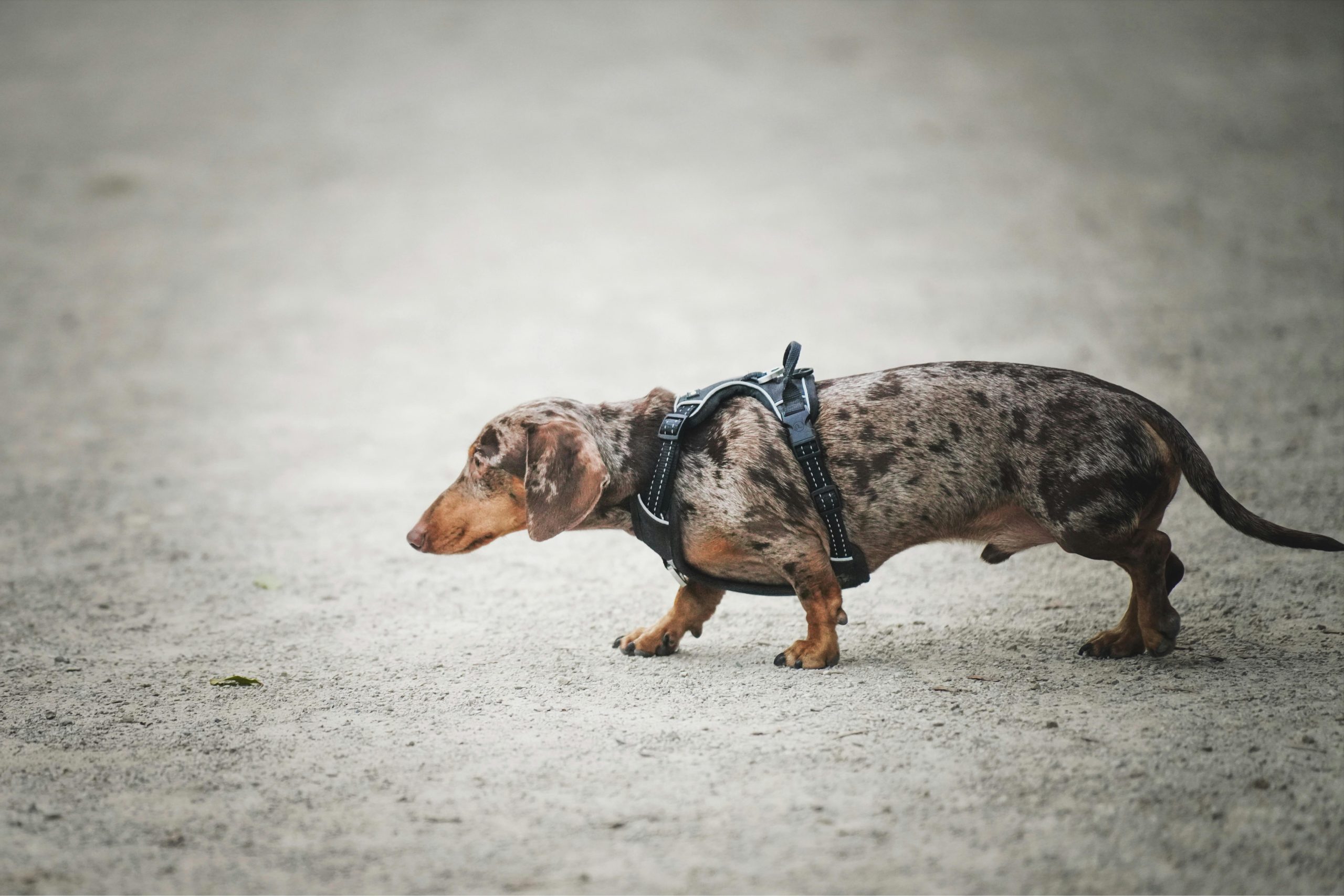
One Sunday morning, my friend Rahul noticed his dog Bruno was holding up his front left leg and refusing to put weight on it. Bruno had been completely fine the night before — playing in the yard, running around as usual. By morning, he was limping badly and whimpering when Rahul tried to touch the leg.
Rahul’s first instinct was to wait and see. Maybe Bruno just twisted something, he thought. But by the afternoon, the leg was visibly swollen. He took Bruno to the vet, where an X-ray revealed a hairline fracture from landing awkwardly during play.
That story has a happy ending because Rahul acted in time. But many pet owners wait too long when their dog starts limping — sometimes because they are not sure how serious it is, and sometimes because they are afraid of what the vet might find.
This guide will help you understand why dogs limp, how to tell if it is minor or serious, and exactly when you need to get professional help.
Why Do Dogs Limp?
Limping simply means your dog is avoiding putting full weight on one or more legs. It is a sign of pain or discomfort somewhere in that limb — or occasionally in the spine or hip.
Limping can affect any leg and can range from a very subtle favor to a complete refusal to bear any weight at all. The severity of the limp does not always match the severity of the injury — some serious conditions cause only mild limping at first, while some minor issues cause dramatic lameness.
This is why it is important to look beyond just the limp itself and pay attention to the whole picture.
The Most Common Causes of Limping in Dogs
1. Paw Injury or Irritation
This is the most common and usually the least serious cause. Dogs step on sharp objects, get thorns or glass embedded in their paw pads, develop cracked or burned pads from hot pavement, or get their nails torn or broken.
Check the paw first whenever your dog starts limping suddenly. Look between the toes, under the pads, and at the nails. You may find something obvious — a thorn, a cut, a swollen area, or a broken nail.
Signs of paw injury:
- Licking or chewing at one paw constantly
- Visible cut, swelling, or foreign object in the paw
- Limping that started suddenly after a walk
2. Muscle Strain or Sprain
Just like humans, dogs can sprain a joint or strain a muscle during exercise, rough play, or an awkward landing. A sprain affects the ligaments around a joint. A strain affects the muscles or tendons.
Mild sprains and strains usually improve with rest within a few days. More severe ones may need veterinary treatment, including pain medication and restricted activity.
Signs of a sprain or strain:
- Limping that started after exercise or play
- Mild swelling around a joint
- The dog is still bearing some weight on the leg
- No obvious wound or paw injury
3. Joint Problems — Arthritis
Arthritis is extremely common in older dogs and in certain large breeds. The cartilage in the joints wears down over time, causing pain, stiffness, and limping — especially after rest or in cold weather.
Arthritis limping typically:
- Affects older dogs, usually seven years and above
- Is it worse in the morning or after lying down for a long time
- Improves slightly after the dog warms up and moves around
- Affects multiple legs over time, not just one
Arthritis cannot be cured, but it can be managed very effectively with medication, weight management, joint supplements, and gentle exercise.
4. Hip Dysplasia
Hip dysplasia is a genetic condition where the hip joint does not develop properly, causing the ball and socket to grind against each other instead of moving smoothly. It is especially common in large breeds like German Shepherds, Labradors, and Golden Retrievers.
Signs of hip dysplasia:
- Difficulty standing up or lying down
- A swaying or bunny-hopping gait when running
- Reluctance to climb stairs or jump
- Limping that affects the back legs
- Muscle loss in the hindquarters over time
Hip dysplasia is diagnosed with X-rays and managed with medication, physical therapy, weight control, and in severe cases, surgery.
5. Cruciate Ligament Injury
The cruciate ligament is the main stabilizing ligament inside the knee joint. It is one of the most commonly injured structures in dogs, especially in active, medium to large breed dogs.
A cruciate ligament tear causes sudden, severe lameness in one back leg. The dog may hold the leg completely off the ground. The knee may be visibly swollen.
This injury almost always requires surgery for full recovery. Without treatment, the knee becomes chronically unstable and painful, and arthritis develops rapidly in the joint.
6. Bone Fracture
A fracture causes sudden, severe lameness. The dog will usually refuse to bear any weight on the affected leg. There may be visible swelling, an unusual angle to the limb, or, in severe cases, the bone may be visible through the skin.
Fractures are emergencies. Take your dog to the vet immediately. Do not try to splint or bandage the leg yourself — incorrect handling can make the injury worse.
7. Elbow Dysplasia
Elbow dysplasia is similar to hip dysplasia but affects the front legs. It is a developmental condition where the elbow joint does not form correctly. It causes limping in one or both front legs, usually starting when the dog is young, between four and ten months old.
It is most common in large breeds, including Labradors, Rottweilers, Bernese Mountain Dogs, and Golden Retrievers.
8. Osteochondrosis
Osteochondrosis is a condition where the cartilage in a joint does not develop properly during growth, causing a flap of cartilage to separate and cause pain and lameness. It typically affects young, rapidly growing large-breed dogs and most commonly involves the shoulder, elbow, or ankle joint.
9. Lyme Disease and Tick-Borne Illness
Tick bites can transmit Lyme disease and other infections that cause joint inflammation and limping. Lyme disease-related limping may shift from one leg to another — the dog limps on the right front leg one day, and the left back leg the next. This shifting lameness is an important clue.
Other signs of Lyme disease include fever, fatigue, and loss of appetite. If your dog has been in tick-prone areas and develops limping along with these symptoms, ask your vet to test for tick-borne diseases.
10. Bone Tumors
It is important to be honest about this without being alarmist. Bone tumors — including osteosarcoma — do occur in dogs, particularly in large and giant breeds, in middle age or older. However, bone cancer is not a common cause of limping. It is one of many possibilities, and it is far down the list after the causes above.
Signs that suggest a bone tumor rather than a simpler cause include:
- Limping in a large or giant breed dog that is middle-aged or older
- Progressive worsening over weeks despite rest
- Visible hard swelling directly on the bone — not around the joint, but on the bone shaft
- Pain that seems disproportionate to what you can see
- No response to standard pain management
If bone cancer is suspected, the vet will take X-rays. It is not something to panic about at the first sign of limping — but it is something to rule out if the limp is persistent and the dog fits the risk profile.
How to Assess Your Dog’s Limp at Home
Before calling the vet, do a quick assessment:
Step 1 — Identify the leg. Watch your dog walk slowly. The leg they favor is the one they swing forward without putting full weight on it. Dogs typically nod their head down when the good leg hits the ground.
Step 2 — Check the paw. Look carefully at the paw pad, between the toes, and at each nail. Remove any visible foreign object carefully if it is easy to reach. If the object is deeply embedded, do not try to remove it yourself.
Step 3 — Feel the leg gently. Starting from the paw, gently run your hand up the leg. Watch for the dog flinching, pulling away, or crying when you touch a specific area. This helps locate the source of pain.
Step 4 — Check for swelling or heat. Feel each joint — the wrist, elbow, and shoulder in the front leg; the ankle, knee, and hip in the back leg. Swelling or heat in a joint indicates inflammation.
Step 5 — Observe the behavior. Is the dog still eating and drinking normally? Is the dog bearing any weight at all? Has the limp been there for more than twenty-four hours? Are there any other symptoms?
When to Go to the Vet
Go immediately if:
- The dog is bearing no weight at all on the leg
- There is visible swelling, an unusual angle, or a wound on the leg
- The dog is crying or whimpering in pain
- You suspect a fracture
- The limping started after a car accident or a serious fall
- There is bleeding from the leg
Go the same day if:
- The limp has not improved after twenty-four hours of rest
- The leg is swollen or warm at a joint
- The dog is also showing other symptoms like fever, loss of appetite, or lethargy
- The dog is a puppy — growing bones and joints are more vulnerable
Monitor at home for up to forty-eight hours if:
- The limp is mild, and the dog is still bearing weight
- There is no swelling, heat, or wound
- The dog is eating, drinking, and behaving normally otherwise
- The limp started after exercise and may be a minor strain
If monitoring at home, restrict exercise completely — no running, jumping, or stairs. If there is no improvement within forty-eight hours, see the vet.
What the Vet Will Do
The vet will perform a thorough physical and orthopedic examination. They will watch the dog walk, feel each joint, and test the range of motion. Based on the examination, they may recommend:
- X-rays — to check for fractures, arthritis, hip dysplasia, or bone abnormalities
- Blood tests — to check for Lyme disease or other infections
- Joint fluid analysis — if immune-mediated joint disease is suspected
- MRI or CT scan — for complex spinal or neurological cases
Treatment depends entirely on the diagnosis and may include rest and pain medication for minor strains, long-term management for arthritis, surgery for cruciate tears or fractures, or antibiotics for infections.
Prevention Tips
- Maintain a healthy weight — excess weight puts enormous stress on joints and dramatically increases the risk of arthritis and cruciate tears
- Warm up before exercise — do not let your dog sprint immediately from a standstill, especially in cold weather
- Check paws regularly — especially after walks on rough terrain or hot pavement
- Use year-round tick prevention to reduce the risk of Lyme disease
- Provide joint supplements — for large breed dogs and senior dogs, glucosamine and chondroitin supplements support joint health
- Schedule regular vet checkups — early detection of hip dysplasia, elbow dysplasia, and arthritis allows for much better management
Final Thoughts
A limping dog is a dog in pain. Do not dismiss it as something that will definitely go away on its own.
Most causes of limping in dogs are treatable — and many are completely fixable, especially when caught early. The longer a structural problem like a cruciate tear or hip dysplasia goes untreated, the more damage accumulates, and the harder treatment becomes.
Watch your dog. Assess carefully. Act when you need to. And trust your instinct — if something feels wrong, it probably is.
⚠️ Disclaimer: This article is for informational purposes only and does not replace professional veterinary advice. Always consult a licensed veterinarian for diagnosis and treatment of lameness or injury in your pet.
Sources: American Kennel Club (AKC), VCA Animal Hospitals, PetMD, Merck Veterinary Manual

Stay Updated with Pet Health Tips
Get simple, expert-backed tips, disease alerts, and care guides for your pets—delivered straight to your inbox.