

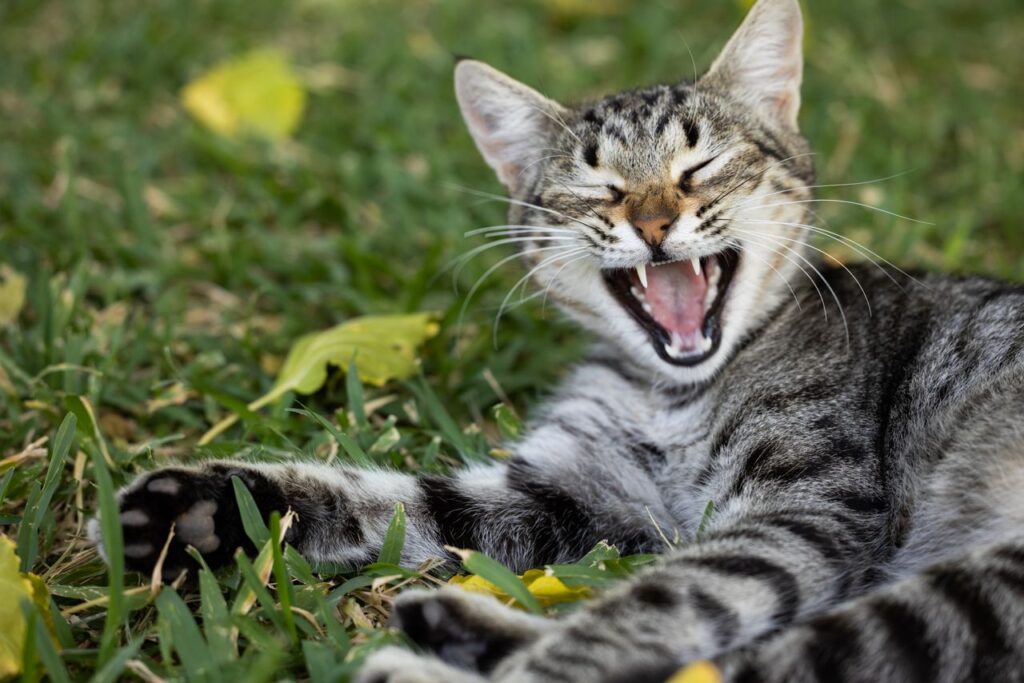
My cat Mango had breath that could clear a room. Not just unpleasant — genuinely foul. A rotten, persistent smell that hit you the moment she opened her mouth to yawn.
For the first year I owned her, I assumed this was simply normal cat breath. I had heard people joke about it. I thought every cat smelled this way.
However, when my vet examined her mouth during a routine checkup, the diagnosis was immediate and clear — severe periodontal disease affecting four teeth—three required extraction. The vet told me Mango had almost certainly been experiencing significant oral pain for at least eight months before I brought her in.
Furthermore, after the procedure, the transformation was remarkable. The smell disappeared almost entirely. Mango began eating with more enthusiasm. She was more active and more playful than she had been in over a year.
That experience taught me something I now tell every cat owner I know — cat bad breath is not normal. It is not something to dismiss or accept. Therefore, it is always a signal worth paying attention to.
Is Any Level of Bad Breath Normal in Cats?
This is the first question most cat owners ask — and the honest answer requires some nuance.
A very mild, faint odor from a cat’s mouth immediately after eating a strongly flavored food is generally not concerning. However, any persistent, noticeable bad breath, regardless of when the cat last ate, is abnormal and warrants investigation.
Cats are fastidious animals. They groom themselves constantly and maintain a high standard of personal cleanliness. Therefore, a cat with genuinely foul breath is almost always telling you that something is wrong — either in the mouth itself or elsewhere in the body.
Furthermore, because cats conceal pain and illness so effectively, bad breath is sometimes the only external sign of a problem that has been developing for months. As a result, taking it seriously — and acting on it promptly — can make a significant difference to the outcome.
What Causes a Cat’s Bad Breath?
Cat’s bad breath has several possible causes. However, the vast majority fall into the categories below. Therefore, understanding which cause applies to your cat is the essential first step.
1. Dental Disease — The Most Common Cause by Far
Dental disease is responsible for the overwhelming majority of cat bad breath cases. Studies have found that over eighty-five percent of cats over three years of age have some form of periodontal disease, and persistent bad breath is one of its earliest and most consistent symptoms.
Here is what happens. After every meal, bacteria in the mouth mix with saliva and food particles to form plaque — a soft, invisible film on the tooth surface. Furthermore, if plaque is not removed through regular brushing or mechanical cleaning, it hardens within twenty-four to forty-eight hours into tartar — a yellow or brown deposit that adheres firmly to the tooth surface and cannot be removed by brushing at home.
As tartar accumulates along and below the gumline, it creates an oxygen-free environment where anaerobic bacteria thrive. These bacteria produce volatile sulfur compounds — the same compounds responsible for the smell of rotting organic matter. As a result, this produces the characteristic foul smell of dental disease.
Moreover, as the disease progresses through its stages, the damage deepens. Gingivitis — inflamed, red, bleeding gums — develops first. Additionally, if left untreated, periodontitis follows — a deep infection that destroys the bone and ligaments holding teeth in their sockets. Furthermore, in advanced cases, the bacteria from dental infection enter the bloodstream and damage the heart, kidneys, and liver.
Therefore, the smell of advanced dental disease in cats is unmistakable — deeply rotten and persistent, present regardless of when the cat last ate.
2. Tooth Resorption
Tooth resorption is a painful condition unique to cats and extremely common, affecting up to seventy-five percent of cats at some point in their lives. In this condition, the tooth structure is gradually destroyed from within or from the root surface outward, often exposing the sensitive inner tooth tissue — the pulp — to the bacteria-rich oral environment.
However, the mechanism is not fully understood — unlike dental caries in humans, which are caused by acid-producing bacteria, tooth resorption in cats involves the cat’s own cells breaking down the tooth structure. The result is significant pain and, as the exposed tissue becomes infected, a foul odor.
Furthermore, tooth resorption is often not visible on external examination — the lesions frequently occur at the gumline or below it. Therefore, dental X-rays under anesthesia are required for accurate diagnosis. Treatment is the extraction of the affected tooth or teeth.
3. Stomatitis — Severe Oral Inflammation
Feline stomatitis is a severe, painful inflammatory condition affecting the entire oral cavity — the gums, tongue, palate, and throat. It produces some of the most extreme bad breath of any oral condition in cats.
The exact cause is not fully understood. However, it appears to involve an abnormal immune response to bacterial plaque and possibly to the tooth roots themselves. As a result, the entire mouth becomes intensely inflamed — raw, bleeding, ulcerated tissue replaces the normal pink gum surface.
Furthermore, cats with stomatitis are in severe pain. They typically show difficulty eating — particularly hard food — excessive drooling, pawing at the mouth, significant weight loss, and a rotten, deeply unpleasant oral odor.
Treatment is challenging. Additionally, the most effective treatment in many cases is full-mouth tooth extraction — removing all teeth eliminates the antigenic stimulus of the tooth roots and resolves the inflammation in the majority of affected cats. While this sounds drastic, cats adapt remarkably well to eating without teeth, and the relief from chronic pain is significant.
4. Kidney Disease
Kidney disease produces a distinctive type of bad breath that is fundamentally different from the rotten smell of dental disease. When the kidneys fail to filter waste products effectively, urea accumulates in the bloodstream — a condition called uremia. Furthermore, some of this urea is excreted through the lungs, producing a characteristic ammonia-like or urine-like smell on the breath.
Therefore, this type of breath — called uremic breath — is an important warning sign of kidney disease. Additionally, it is typically accompanied by other signs, including increased thirst and urination, weight loss, reduced appetite, vomiting, and lethargy.
Chronic kidney disease is extremely common in cats over ten years of age. Moreover, because early kidney disease produces no obvious symptoms, the first sign many owners notice is a change in the breath. Therefore, any ammonia-like or urine-like smell from a senior cat’s mouth should prompt same-day veterinary attention and blood and urine testing.
5. Diabetes
Diabetic cats sometimes develop a sweet or fruity smell on their breath. This occurs because when the body cannot use glucose for energy due to insulin deficiency or resistance, it breaks down fat instead. As a result, this produces ketones — acidic breakdown products that are partly excreted through the lungs and produce the characteristic sweet smell.
Furthermore, diabetic ketoacidosis — a serious and potentially fatal complication of uncontrolled diabetes — produces this sweet smell strongly alongside severe lethargy, vomiting, loss of appetite, and weakness. Therefore, if your cat’s breath smells sweet or fruity and the cat appears unwell, this is a medical emergency requiring immediate veterinary care.
6. Liver Disease
Liver disease produces a characteristic musty or slightly sweet, offensive smell on the breath. This occurs because the liver is responsible for filtering toxins from the blood. However, when liver function is impaired, these toxins accumulate and are partly excreted through the lungs, producing the characteristic odor.
Furthermore, liver disease bad breath is typically accompanied by other signs — particularly yellowing of the eyes, ears, skin, or gums, which is called jaundice — alongside lethargy, vomiting, reduced appetite, and abdominal distension.
7. Oral Tumors
Tumors in the oral cavity — on the gums, tongue, palate, or under the tongue — can produce severe bad breath. This occurs because oral tumors bleed, ulcerate, and develop necrotic, dying tissue that harbors bacteria and produces a significant odor. Furthermore, oral tumors are more common in older cats.
Therefore, any persistent bad breath in a senior cat — particularly if accompanied by drooling, difficulty eating, visible swelling in the mouth or face, or unexplained weight loss — should be investigated promptly for the possibility of an oral tumor.
8. Respiratory Infection
Upper respiratory infections involving the nasal passages and throat can produce bad breath alongside nasal discharge, sneezing, and reduced appetite. The bacteria involved in these infections produce odors that are expelled with each breath. Furthermore, because cats with nasal congestion lose their sense of smell and often refuse to eat, bad breath from respiratory infection is frequently accompanied by appetite loss.
9. Eating Something Unpleasant
Cats are carnivores that occasionally eat things humans find appalling — garbage, insects, small prey animals, and various found objects. Furthermore, certain strongly flavored foods — fish-based diets in particular — can produce a notable odor that is not caused by any disease process.
However, food-related breath odor is typically transient — it resolves within a few hours. Therefore, if the bad breath is persistent and present regardless of meals, food alone is not the cause.
What the Smell Tells You
The character of the odor provides important diagnostic clues. Therefore, paying attention to the quality of the smell — not just its presence — helps guide the investigation.
Rotten, putrid smell — almost certainly dental disease, tooth resorption, or stomatitis. The most common cause by far.
Ammonia or urine-like smell — kidney disease. Therefore, this requires urgent blood and urine testing — particularly in senior cats.
Sweet, fruity, or nail-polish-remover smell — diabetes or diabetic ketoacidosis. Furthermore, if the cat appears unwell, this is a medical emergency.
Musty or slightly sweet with yellow eyes or skin — liver disease. Therefore, this requires prompt investigation.
Extremely foul with visible oral ulceration and drooling — stomatitis. Additionally, the cat is likely in significant pain.
Transient smell that resolves within hours — food or something the cat ate. Not a cause for concern if the breath returns to normal.
Checking the Mouth at Home
A gentle home examination before the vet visit provides useful information. However, do not force the examination if the cat resists — a painful cat may bite.
Lift the lips and look at the teeth and gums on both sides. You are looking for:
Tartar — yellow or brown deposits on the tooth surface, particularly along the gumline and on the large back teeth.
Gum color — healthy gums are pale pink and firm. Therefore, red, swollen, or bleeding gums indicate inflammation.
Gum recession — gums that have pulled back from the tooth surface, exposing the root.
Broken or discolored teeth — chipped teeth or teeth with a pink or dark center indicating pulp exposure.
Ulceration — raw, red, or bleeding areas anywhere in the mouth. Furthermore, extensive ulceration suggests stomatitis.
Visible masses — any unusual growth or tissue abnormality.
Note what you find and report it to the vet.
Treatment
Treatment depends entirely on the identified cause. Therefore, accurate diagnosis is always the first step — treating dental disease will not help a cat whose bad breath is caused by kidney disease, and vice versa.
Professional Dental Cleaning
For the vast majority of cats with bad breath from dental disease, tooth resorption, or mild stomatitis, professional dental cleaning under general anesthesia is the cornerstone of treatment. Furthermore, it is the only way to remove existing tartar — no amount of home brushing removes hardened tartar once it has formed.
Professional dental cleaning includes:
- First, a complete oral examination under anesthesia — only possible when the cat is fully relaxed
- Second, full-mouth dental X-rays — essential for detecting tooth resorption and bone loss invisible to the naked eye
- Third, ultrasonic scaling to remove tartar from all surfaces above and below the gumline
- Fourth, subgingival cleaning — removing infection from the pocket between the tooth and gum
- Fifth, polishing to smooth the tooth surface and slow future plaque accumulation
- Finally, the extraction of any teeth that cannot be saved
As a result, the improvement in bad breath after professional dental cleaning is often dramatic and immediate. Furthermore, many owners describe their cat as more comfortable, more active, and more enthusiastic about food after dental treatment.
Home Dental Care
After professional cleaning, ongoing home dental care prevents the rapid return of tartar and maintains the improvement in breath.
Daily tooth brushing is the most effective home care measure. Therefore, use a cat-specific toothbrush and cat toothpaste — never human toothpaste, which contains fluoride and xylitol, both toxic to cats. Furthermore, introduce brushing very gradually using the process described in our dental care guides — most cats learn to tolerate it with patient, consistent introduction.
Dental treats and water additives with the Veterinary Oral Health Council seal of approval provide supplementary benefit. However, they do not replace brushing.
Treatment for Stomatitis
Stomatitis treatment begins with a thorough professional dental cleaning. Additionally, anti-inflammatory medication and antibiotics form part of the initial management.
However, in cats that do not respond to conservative treatment — which is the majority — full or partial mouth extraction is the most effective long-term option. Furthermore, this resolves the inflammation in approximately sixty to eighty percent of cats. As a result, the relief from chronic pain produces a dramatic improvement in quality of life.
Medical Management for Systemic Causes
Bad breath caused by kidney disease, diabetes, or liver disease improves as the underlying condition is controlled. Therefore, treatment focuses on the systemic disease itself — dietary management, medication, insulin therapy for diabetes, and supportive care for kidney and liver disease.
Furthermore, the bad breath may not resolve entirely in cats with chronic kidney disease, because the uremic compounds are produced continuously as long as kidney function is impaired. However, effective management of the disease reduces the severity of the odor alongside other improvements in the cat’s well-being.
Preventing Cat Bad Breath in Cats
Prevention is significantly more effective than treatment. Therefore, these habits make a meaningful and lasting difference.
First, brush teeth daily — or at a minimum, three to four times per week. Furthermore, early introduction during kittenhood produces a cat that accepts brushing easily as an adult.
Additionally, schedule professional dental cleanings as recommended by your vet — typically every one to two years for most cats, and annually for those with a history of rapid tartar accumulation.
Moreover, feed a high-quality, species-appropriate diet — because good nutrition supports immune function and overall oral health.
Furthermore, provide dental treats with VOHC approval as supplementary support.
Also, schedule biannual vet checkups for senior cats — because kidney disease, diabetes, and other systemic causes of bad breath are detectable through blood and urine testing before symptoms become obvious.
Finally, never ignore changes in breath — because a cat that develops new or worsening bad breath is communicating something important, and acting early produces significantly better outcomes than waiting.
When to See a Vet
See a vet if your cat has:
- Persistent bad breath that is present regardless of meals
- Breath that smells like ammonia or urine, particularly in a senior cat
- Breath that smells sweet or fruity — particularly if the cat also seems unwell
- Visible dental disease — tartar, red or swollen gums, or loose teeth
- Drooling, pawing at the mouth, or difficulty eating
- Any visible abnormality in the mouth — ulceration, growths, or bleeding
- Bad breath alongside reduced appetite, weight loss, or lethargy
- Any change in a previously normal breath odor
Furthermore, do not accept chronic bad breath as inevitable. It is almost always treatable. Additionally, addressing it promptly often leads to the discovery of conditions — dental disease, kidney disease, diabetes — that benefit enormously from early intervention.
Final Thoughts
Mango lived for four more years after her dental treatment. During those years, her breath was not entirely odor-free — she was a cat, after all. However, the deeply foul smell that had once filled the room when she yawned was gone. She ate better, played more, and seemed genuinely more comfortable in her body.
Furthermore, I learned from her experience to never dismiss a cat’s bad breath as simply normal. It is almost never normal. Therefore, it is always worth investigating — because what you find when you look may be something that, addressed early, makes a profound difference to your cat’s quality of life and longevity.
Listen to what your cat’s breath is telling you. Act on what you hear.
⚠️ Disclaimer: This article is for informational purposes only and does not replace professional veterinary advice. Always consult a licensed veterinarian if your cat has persistent bad breath or any signs of illness.
Sources: Cornell Feline Health Center, American Association of Feline Practitioners (AAFP), American Veterinary Dental College (AVDC), Veterinary Oral Health Council (VOHC)

Stay Updated with Pet Health Tips
Get simple, expert-backed tips, disease alerts, and care guides for your pets—delivered straight to your inbox.