

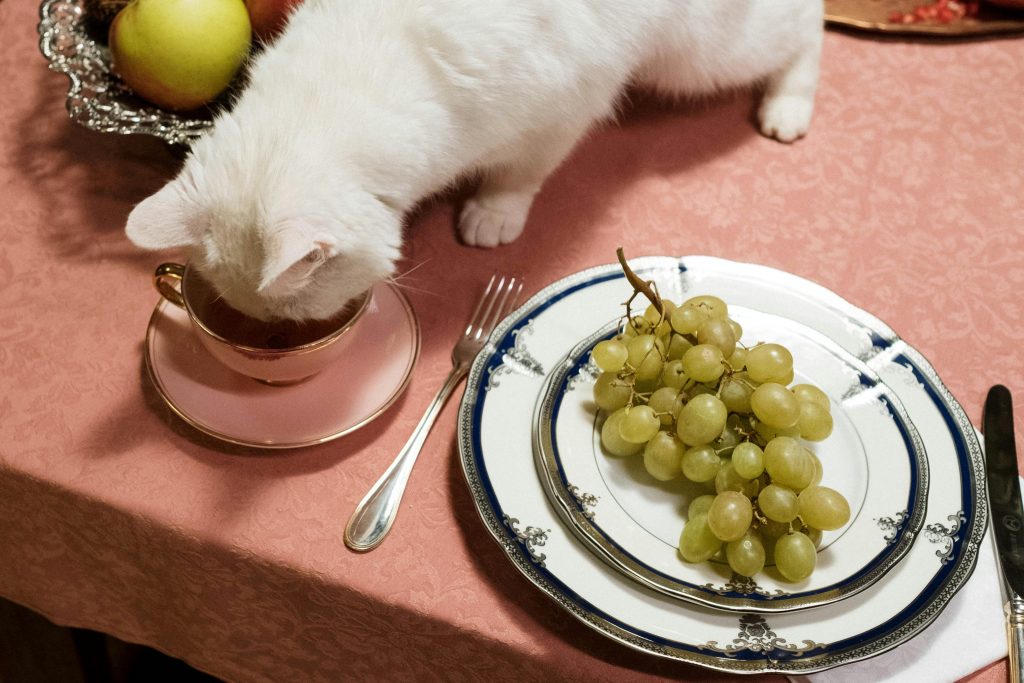
A colleague of mine had a beautiful arrangement of Easter lilies on her dining table for the holiday weekend. Her cat — a curious, food-motivated tabby named Ginger — jumped onto the table while she was out and chewed on several of the leaves.
When my colleague came home and saw the chewed leaves, she was not immediately worried. She did not know that lilies were dangerous to cats. She assumed Ginger had eaten a bit of a plant and would be fine.
By the next morning, Ginger was vomiting repeatedly and had stopped eating. At the vet, blood tests revealed acute kidney injury. Despite aggressive intravenous fluid therapy for three days, Ginger’s kidney function did not fully recover.
She survived — but lived with chronic kidney disease for the rest of her life as a direct result of that single exposure to Easter lily leaves.
The reason I tell this story at the start of this guide is not to cause anxiety. It is to illustrate something that every cat owner needs to understand: some substances that are completely harmless to humans are profoundly, rapidly, and sometimes irreversibly toxic to cats. And in many cases, the toxic substance is something so ordinary and familiar that the danger is simply not on most people’s radar.
This guide covers every major food toxic to cats — what it is, why it is dangerous, what symptoms it causes, and what to do if your cat is exposed.
Before the List — How to Use This Guide
This guide is organized by the severity and speed of the foods toxic to cats, starting with the most immediately dangerous substances and moving through those with more gradual effects.
Knowing the symptoms of toxicity is as important as knowing the list of toxic foods — because cats are exposed to hazardous substances more often than owners realize, and early recognition of symptoms allows earlier treatment and significantly better outcomes.
The golden rule for toxic exposures: If you suspect your cat has eaten something toxic, do not wait for symptoms to appear before contacting a vet. Some poisons cause irreversible damage before obvious symptoms develop. Early intervention is dramatically more effective than treatment after symptoms are established.
Category 1 — Immediately Life-Threatening
These substances cause rapid, severe, and potentially fatal toxicity. Exposure requires same-hour veterinary attention.
Lilies — The Most Dangerous Plant for Cats
True lilies — plants in the Lilium and Hemerocallis genera — are extraordinarily toxic to cats. Every part of the plant is poisonous — the flower, the leaves, the stem, the pollen, and even the water in a vase containing cut lilies.
Foods toxic to cats have not been definitively identified, which makes this even more concerning — scientists know that lilies cause acute kidney failure in cats, but the precise mechanism is not fully understood.
What is known with complete certainty is the clinical picture: even small exposures — a few chewed leaves, licking pollen from the fur, drinking water from a vase — cause rapid onset acute kidney failure in cats.
Species that are deadly to cats:
- Easter lily — Lilium longiflorum
- Tiger lily — Lilium tigrinum
- Asiatic lily — various Lilium hybrids
- Stargazer lily — Lilium orientalis
- Japanese show lily
- Daylily — Hemerocallis species — these are not true lilies but are equally deadly to cats
Species sometimes called lilies that are toxic but not kidney-toxic:
- Peace lily — Spathiphyllum — causes oral irritation and vomiting, but not kidney failure
- Lily of the valley — Convallaria majalis — causes cardiac arrhythmias, not kidney failure
Symptoms of lily poisoning:
Within the first two hours, vomiting, lethargy, and loss of appetite. These early symptoms are subtle and easy to miss or dismiss.
Between twelve and twenty-four hours, the symptoms may temporarily appear to improve. This false improvement is followed by progressive kidney failure.
Within twenty-four to seventy-two hours, complete kidney failure, inability to urinate or produce very small amounts of urine, severe lethargy, and collapse.
Without treatment begun before kidney failure establishes — within hours of exposure, not days — the prognosis is extremely poor. Even with aggressive treatment, some cats do not survive, and others survive with permanent kidney damage.
What to do:
Go to a vet immediately — not tomorrow, not this evening — immediately. Do not wait for symptoms. Tell the vet exactly what plant the cat was exposed to and when. Aggressive intravenous fluid therapy begun within six hours of exposure significantly improves outcomes.
Prevention: Do not have true lilies in any home with cats. Not on tables, not on window ledges, not in rooms the cat does not access — cats are too mobile and too curious for partial restriction to be reliably safe. If you receive lilies as a gift, return them, give them away, or discard them.
Xylitol
Xylitol is an artificial sweetener found in an ever-expanding range of human products, including sugar-free gum, candies, certain peanut butters, some baked goods, certain medications, some vitamins, and some oral hygiene products.
In cats, xylitol causes a rapid and severe drop in blood sugar — hypoglycemia — and in higher doses, acute liver failure.
Symptoms:
Vomiting, weakness, loss of coordination, collapse, seizures. Symptoms can develop within thirty minutes of ingestion in severe cases.
What to do: Contact a vet immediately. This is a rapidly progressing emergency.
Prevention: Check ingredient lists on all products that enter your home. Xylitol may be listed as birch sugar or E967. Keep all products containing xylitol in secure, inaccessible locations.
Acetaminophen — Paracetamol
Acetaminophen — marketed as paracetamol in many countries — is one of the most common human over-the-counter medications and one of the most dangerous substances a cat can ingest.
Cats are acutely sensitive to acetaminophen because they lack the enzyme needed to metabolize it safely. Even a single regular-strength tablet — 500mg — can be fatal to an average-sized cat.
Acetaminophen damages red blood cells — causing methemoglobinemia, where the blood loses its ability to carry oxygen — and causes severe liver damage.
Symptoms:
Lethargy, rapid breathing, bluish-brown discoloration of the gums and lips, facial swelling, vomiting, weakness, and collapse.
What to do: This is a critical emergency. Go to a vet immediately. Bring the medication packet. Treatment must begin as quickly as possible — the window for effective intervention is narrow.
Prevention: Keep all medications — including over-the-counter products — in closed cabinets that cats cannot access. Never give a cat any human pain medication under any circumstances. Even well-intentioned dosing of human medications to cats has caused deaths.
Ibuprofen and NSAIDs
Ibuprofen — and other non-steroidal anti-inflammatory drugs formulated for humans — cause severe gastrointestinal ulceration and acute kidney failure in cats.
Cats are far more sensitive to NSAID toxicity than humans or even dogs. Doses that would cause mild stomach upset in a human can cause life-threatening kidney failure in a cat.
Symptoms: Vomiting — often with blood, abdominal pain, lethargy, reduced appetite, increased thirst and urination, followed by reduced or no urination as kidney failure establishes.
What to do: Veterinary emergency. Go immediately.
Prevention: As with acetaminophen, keep all human medications inaccessible.
Category 2 — Serious and Rapid Onset
These substances cause significant toxicity that develops quickly and requires same-day veterinary attention.
Onions, Garlic, Leeks, Chives, and Alliums
All members of the allium family — onions, garlic, leeks, shallots, spring onions, chives, and rakkyo — are toxic to cats in all forms. Raw, cooked, dried, powdered — all forms are foods toxic to cats
Alliums contain compounds called organosulfoxides that are converted to oxidizing agents in the blood. These agents damage the hemoglobin in red blood cells, causing the cells to form abnormal structures called Heinz bodies that are rapidly destroyed by the body.
The result is hemolytic anemia — a rapid breakdown of red blood cells that reduces the blood’s oxygen-carrying capacity.
Cats are more sensitive to allium toxicity than dogs. Garlic is approximately five times more toxic than onion by weight.
Symptoms: Toxic to Cats
Initially — vomiting, diarrhea, drooling, abdominal pain. Within days — lethargy, weakness, reduced appetite, pale or yellowish gums, reddish or brownish urine from the breakdown products of destroyed red blood cells, rapid heart rate, increased respiratory rate.
What to do: Contact a vet the same day. Blood tests can assess the degree of red blood cell damage.
Prevention: Never allow cats access to any allium vegetable in any form. Be aware that many prepared human foods — soups, sauces, gravies, baby food — contain onion or garlic in amounts sufficient to cause toxicity if consumed regularly by a cat.
Alcohol
Cats are far more sensitive to alcohol than humans. Even small amounts of ethanol cause rapid intoxication, vomiting, loss of coordination, respiratory depression, dangerously low blood sugar, low body temperature, and potentially fatal central nervous system depression.
Sources of alcohol beyond the obvious beverages include fermented foods, raw bread dough — which produces alcohol as yeast ferments — certain mouthwashes, and some medications.
Symptoms: Vomiting, disorientation, wobbling, lethargy, slow breathing, and collapse.foods toxic to cats
What to do: Veterinary care urgently. Treatment includes supportive care and managing blood sugar and body temperature.
Prevention: Keep all alcoholic beverages secure. Never give alcohol to a cat intentionally.
Grapes and Raisins
Grapes and raisins are foods toxic to cats, though cats are generally less commonly affected than dogs, probably because cats are less likely to eat fruit voluntarily. The toxic compound has not been identified, which means no safe dose has been established.
Both fresh grapes and dried raisins — including those in baked goods, trail mix, and cereals — should be kept away from cats.
Symptoms: Vomiting, lethargy, reduced appetite, abdominal pain. Kidney failure can develop within twenty-four to seventy-two hours.
What to do: Contact a vet the same day, even if the cat seems well. Early decontamination and fluid therapy improve outcomes.
Chocolate
Chocolate contains theobromine and caffeine, both methylxanthines that cats cannot metabolize efficiently. Theobromine is particularly toxic to cats
Dark chocolate and baking chocolate contain the highest concentrations of theobromine. Milk chocolate contains less, but it is still harmful in significant quantities. White chocolate contains very little theobromine but is extremely high in fat and sugar.
Symptoms: Vomiting, diarrhea, increased thirst, restlessness, excessive urination, rapid heart rate, muscle tremors, seizures, foods toxic to cats
What to do: Contact a vet the same day. The severity of toxicity depends on the type of chocolate and the amount consumed relative to body weight.
Prevention: Keep all chocolate completely inaccessible to cats. Be aware that many baked goods, desserts, and cooking ingredients contain chocolate or cocoa foods toxic to cats
Caffeine
Coffee, tea, energy drinks, cola, and any food or drink containing caffeine cause stimulant toxicity in cats — heart rate elevation, hypertension, rapid breathing, tremors, and seizures.
Cats are more sensitive to caffeine than humans. Even used coffee grounds or tea bags discarded in accessible waste bins can cause toxicity.
Symptoms: Restlessness, rapid breathing, elevated heart rate, muscle tremors, seizures.
What to do: Contact a vet the same day.
Prevention: Keep all caffeinated products and their waste inaccessible.
Category 3 — Significant Toxicity With Chronic or Cumulative Effects
These substances cause significant harm, particularly with regular exposure, and should be completely excluded from a cat’s diet.
Raw Fish in Large or Regular Amounts
Feeding raw fish to cats regularly — while practiced by some owners — carries two specific risks: foods toxic to cats
Thiaminase — many raw fish species contain thiaminase, an enzyme that destroys thiamine, Vitamin B1. Regular feeding of raw fish destroys thiamine in the diet, leading to thiamine deficiency. Thiamine is essential for nervous system function — deficiency causes neurological damage, including loss of coordination, seizures, and in severe cases, death.
Bacteria and parasites — raw fish carries risks of Salmonella, Listeria, and various parasites. Thoroughly cooking fish eliminates thiaminase and eliminates bacterial and parasitic risks.
Small amounts of cooked, plain fish are nutritious and safe for cats. Large amounts of raw fish fed regularly are not.
Symptoms of thiamine deficiency: Loss of coordination, a characteristic downward bending of the neck and head, weakness, and seizures.
What to do: If symptoms develop, veterinary treatment with thiamine supplementation can reverse early deficiency, but severe neurological damage may be irreversible.
Raw Eggs in Large Regular Amounts
Raw egg whites contain avidin — a protein that binds biotin — Vitamin B7 — and prevents its absorption. Regular feeding of raw egg whites causes biotin deficiency.
Biotin is essential for healthy skin, coat, metabolism, and cell growth. Biotin deficiency causes dermatitis, poor coat condition, neurological symptoms, and muscle weakness.
Cooked eggs are completely safe and nutritious — cooking destroys avidin. Occasional raw egg yolk without the white carries less risk, but cooked whole eggs are the safest option.
Nutmeg
Nutmeg contains myristicin — a compound that causes hallucinations, disorientation, rapid heart rate, high blood pressure, dry mouth, abdominal pain, and seizures in cats.
Even small amounts of nutmeg can cause toxicity. Be aware of baked goods, spice blends, and prepared foods that may contain nutmeg.
Symptoms: Hallucination-like behavior, disorientation, rapid heart rate, seizures.
What to do: Contact a vet the same day.
Macadamia Nuts
Macadamia nuts cause weakness, hyperthermia, vomiting, and tremors in pets. While this toxicity is most documented in dogs, macadamia nuts should be kept away from cats as well.
Dog Food as a Regular Diet
As covered in detail in the previous article, regular feeding of dog food to cats causes nutritional deficiencies that develop over months. Taurine deficiency leads to dilated cardiomyopathy and retinal degeneration. Insufficient protein causes muscle wasting. Inadequate arachidonic acid and Vitamin A cause additional problems.
One or two meals of dog food in an emergency are not harmful. Regular feeding is. foods toxic to cats
Category 4 — Mild to Moderate Toxicity or Gastrointestinal Effects
These substances generally cause gastrointestinal upset rather than systemic toxicity, but should still be avoided.
Dairy Products
Most adult cats are lactose intolerant. The enzyme lactase — which breaks down lactose, the sugar in milk — is produced in abundance by kittens but declines significantly after weaning.
Adult cats that consume dairy products typically develop vomiting and diarrhea from the undigested lactose fermenting in the intestines.
Dairy products are not acutely toxic but cause regular discomfort and digestive upset. The romantic image of a cat happily lapping milk is charming but nutritionally misguided.
What to do: Avoid dairy products. If accidental ingestion causes digestive upset, monitor and ensure adequate hydration.
Highly Salted Foods
Excessive sodium causes increased thirst, vomiting, diarrhea, and, in large amounts, sodium ion toxicity — tremors, seizures, and death. Cats are smaller than most humans — what is a modest sodium intake for a human represents a very large dose relative to a cat’s body weight.
Avoid giving cats crisps, crackers, processed meats, cheese, canned human food, or any heavily salted human food.
Avocado
The fruit, leaves, seed, and bark of avocado plants contain persin — a fungicidal toxin that causes vomiting and diarrhea in cats. The seed is also a choking and obstruction hazard.
Avocado toxicity in cats is generally less severe than in birds or rabbits, but it should still be avoided.
Spicy Foods
Capsaicin — the compound that makes chili peppers spicy — causes oral irritation, drooling, vomiting, and diarrhea in cats. Cats do not have the same capsaicin receptors that humans do and do not experience heat in the same way, but capsaicin is still irritating to feline mucous membranes.
Raw Potato, Tomato Leaves, and Nightshade Family
Unripe green tomatoes and tomato leaves, raw potato — particularly the green parts — and other nightshade family plants contain solanine and tomatine. These compounds cause gastrointestinal upset and, in large amounts, neurological symptoms.
Ripe red tomato flesh in small amounts is not harmful. Raw potato, green potato, and tomato leaves and plants are best kept away from cats.
Essential Oils — A Separate Category of Risk
Essential oils deserve specific mention because they present a risk that is frequently underestimated by cat owners.
Cats are uniquely sensitive to many essential oils because they lack certain liver enzymes needed to metabolize specific compounds. What is a pleasant, harmless fragrance product to a human can be toxic to a cat through skin contact, inhalation, or ingestion.
Essential oils known to be toxic to cats include:
- Tea tree oil — melaleuca — even small amounts cause tremors, walking difficulty, and central nervous system depression
- Pennyroyal oil
- Clove oil
- Cinnamon oil
- Citrus oils — lemon, orange, grapefruit, lime
- Peppermint oil
- Eucalyptus oil
- Pine oil
- Lavender oil — in concentrated form
- Ylang-ylang oil
- Bergamot oil
Diffusers that release essential oils into the air expose cats to oils through inhalation and through deposition on the fur that is then ingested during grooming. Concentrated oils applied to the surfaces the cat walks on are absorbed through the paw pads.
Signs of essential oil toxicity include drooling, vomiting, tremors, difficulty walking, weakness, and breathing difficulty.
If you use essential oil diffusers in your home, ensure the cat has access to fresh, uncontaminated air and can leave the room. Concentrated oils should be stored completely out of reach. If your cat shows any neurological or respiratory symptoms after exposure to essential oils, contact a vet immediately.
What to Do in a Toxic Exposure Emergency
Step 1 — Stay Calm and Assess
Note what the cat ate, approximately how much, and when. This information is critical for the vet. Bring the packaging or plant if possible.
Step 2 — Contact a Vet Immediately
For any suspected toxic exposure, call your vet or emergency animal clinic immediately — even if the cat appears well. Do not wait for symptoms. Many toxic substances cause damage before symptoms are visible.
In some countries, animal poison control hotlines are available that can provide immediate guidance while you travel to the vet.
Step 3 — Do Not Induce Vomiting Without Veterinary Guidance
Inducing vomiting is appropriate for some toxic ingestions and contraindicated for others. Caustic substances cause additional damage when vomited back up. Only induce vomiting under specific veterinary instruction.
Step 4 — Do Not Give Home Remedies
Do not give milk, water, or any substance to try to dilute the toxin without veterinary guidance. Do not give any medication.
Step 5 — Transport Safely
Keep the cat warm and calm during transport. If the cat is having seizures, protect them from injury by moving hazards away. Do not restrain a seizing cat tightly.
Building a Toxin-Safe Home for Your Cat
Prevention is far more effective than treatment. Implementing these measures reduces the risk of toxic exposure significantly.
Remove all true lilies from the home. No exceptions.
Store all medications — prescription and over-the-counter — in closed, latched cabinets at all times. A cat can open a pill organizer or access an unsealed container easily.
Keep all cleaning products in closed cabinets. Many contain compounds toxic to cats.
Audit your houseplants. The ASPCA maintains a comprehensive, up-to-date list of toxic and non-toxic plants at aspca.org — check every plant in your home against this list.
Be aware of prepared foods. Many human foods contain onion, garlic, or other toxic ingredients in amounts sufficient to cause harm if consumed by a cat.
Secure waste bins. Cats access food waste that may contain toxic ingredients — onion skins, coffee grounds, and chocolate wrappers with residue.
Keep essential oils stored securely and use diffusers cautiously.
Educate everyone in the household — particularly children — about what cats cannot eat.
Final Thoughts
Most cat owners are aware that some human foods are bad for cats. Far fewer know the full scope of the risk, the speed with which certain exposures can cause irreversible harm, and what to do when exposure occurs.
My colleague’s experience with the Easter lilies — a beautiful, familiar flower that is profoundly toxic to cats — changed how she thought about her home environment entirely. She now checks every new plant, every new product, and every gift of flowers before it enters her house.
That level of attention is not excessive. It is appropriate. And the effort required to maintain it is trivial compared to the cost of a toxic exposure — in veterinary bills, in suffering, and potentially in the loss of a beloved companion.
Know the list. Share it with everyone who shares your home. And when in doubt — keep it out of reach of your cat.
⚠️ Disclaimer: This article is for informational purposes only. If you suspect your cat has ingested a toxic substance, contact a veterinarian immediately. Do not wait for symptoms to develop.
Sources: ASPCA Animal Poison Control Center, Cornell Feline Health Center, American Association of Feline Practitioners (AAFP), VCA Animal Hospitals, Pet Poison Helpline
- Best Food for Dogs
- Why Is My Dog Not Eating
- Dog Fever
- cat vaccinations
- cat in pain
- happy cat
- Dog Skin Problems

Stay Updated with Pet Health Tips
Get simple, expert-backed tips, disease alerts, and care guides for your pets—delivered straight to your inbox.