
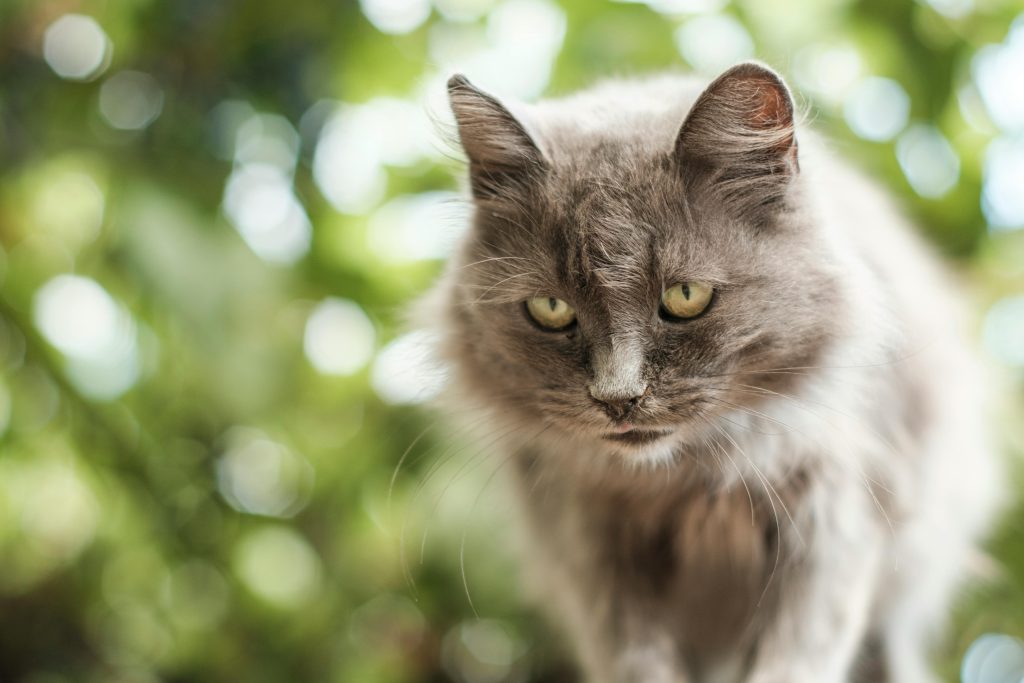
My cat Mango turned eleven last spring. I noticed the change gradually — she slept more, jumped less enthusiastically onto the windowsill, and occasionally seemed to take a moment to orient herself when she woke from a deep sleep. She was still Mango — still slow-blinking at me, still demanding her meals at precisely the right time, still occasionally bringing me a hair tie as a gift. But something had shifted.
She had become a senior cat.
The transition into senior life is one of the most important phases of a cat’s health journey — and one of the most frequently mismanaged. Many owners attribute the changes they see to normal aging and do nothing. But many of those changes are not simply aging. They are symptoms of conditions that are genuinely treatable and that, left unaddressed, quietly diminish a cat’s quality of life for months or years.
This guide covers everything you need to know about caring for a senior cat — recognizing the changes that matter, managing the conditions most common in older cats, and making the practical adjustments that help an aging cat live as comfortably and fully as possible for as long as possible.
When Is a Cat Considered Senior?
The definition of senior varies slightly between sources, but the most widely used classification is:
Mature — seven to ten years. The cat is in their prime adult years but beginning the transition toward middle age. Health monitoring becomes increasingly important.
Senior — eleven to fourteen years. The cat is equivalent to a human in their sixties. The risk of age-related health conditions increases significantly during this stage.
Geriatric — fifteen years and older. The cat is equivalent to a human in their seventies or beyond. Multiple concurrent health conditions are common. Quality-of-life management becomes as important as disease treatment.
Many cats live well into their late teens and some into their twenties with appropriate care. The goal of senior cat care is not simply to extend lifespan — it is to maximize quality of life during whatever time the cat has.
The Most Important Change You Can Make — Increase Veterinary Visits
The single most impactful change in the care of a senior cat is increasing the frequency of veterinary checkups from annual to biannual — every six months.
This recommendation is not arbitrary. The conditions most common in senior cats — chronic kidney disease, hyperthyroidism, diabetes, hypertension, dental disease, and arthritis — all develop gradually and silently. By the time symptoms are obvious to an owner, these conditions are often significantly advanced.
Biannual checkups, including blood and urine testing, allow detection of these conditions in their early stages — when treatment is most effective, least expensive, and produces the best long-term outcomes.
A senior cat that appears completely normal can have significant kidney disease, hyperthyroidism, or hypertension detectable only through blood and urine testing. Routine screening is the most powerful tool in senior cat medicine.
Common Health Conditions in Senior Cats
Chronic Kidney Disease
Chronic kidney disease is the most common serious health condition in cats over ten years of age. Studies have found evidence of kidney disease in approximately thirty to forty percent of cats over ten years old.
The kidneys gradually lose their ability to filter waste products from the blood, concentrate urine, and maintain normal fluid and electrolyte balance. Early kidney disease produces no obvious symptoms — the only detectable signs are changes in blood and urine test results.
As the disease progresses, symptoms develop:
- Increased thirst and urination — often the first signs owners notice
- Weight loss — gradual but progressive
- Reduced appetite
- Vomiting — from toxin accumulation
- Lethargy
- Dull or unkempt coat
- Bad breath with a uremic or ammonia-like quality
Early detection through regular blood testing allows intervention that significantly slows progression. Management includes prescription kidney diets that reduce the workload on the kidneys, fluid therapy, phosphate binders, blood pressure management, and anti-nausea medication.
Cats with kidney disease can live comfortably for years with appropriate management — particularly when the disease is detected early.
Hyperthyroidism
Hyperthyroidism — overactivity of the thyroid gland — affects approximately ten percent of cats over ten years of age, making it one of the most common endocrine disorders in senior cats.
The excess thyroid hormone produced accelerates metabolism throughout the body, causing weight loss despite normal or increased appetite, hyperactivity, increased thirst and urination, vomiting, and a deteriorating coat.
Hyperthyroidism also places significant strain on the heart — causing elevated heart rate, hypertension, and in some cases hypertrophic cardiomyopathy — and on the kidneys. Treating hyperthyroidism without considering its effect on concurrent kidney disease requires careful monitoring.
Diagnosis is through blood testing of thyroid hormone levels. Treatment options include daily oral medication, a prescription iodine-restricted diet, radioactive iodine therapy, or surgical removal of the affected thyroid tissue. Most cases respond very well to treatment.
Hypertension — High Blood Pressure
Hypertension is common in senior cats, usually occurring secondary to hyperthyroidism or kidney disease. It is sometimes called the silent killer in cats — it produces no obvious symptoms until it damages target organs.
The organs most vulnerable to hypertension damage in cats are:
The eyes — hypertension damages the blood vessels in the retina, causing hemorrhage and retinal detachment. Sudden blindness in a senior cat is a classic and urgent presentation of hypertensive retinopathy.
The kidneys — hypertension worsens existing kidney disease in a damaging cycle — kidney disease causes hypertension, and hypertension accelerates kidney damage.
The heart — chronic high blood pressure causes the heart muscle to thicken and work less efficiently.
The brain — severe hypertension can cause neurological signs, including disorientation, seizures, and behavioral changes.
Blood pressure measurement should be a routine part of every senior cat checkup. Treatment with antihypertensive medication — most commonly amlodipine — is very effective at controlling blood pressure and preventing target organ damage.
Arthritis
Arthritis is dramatically underdiagnosed in cats. Radiographic studies have found evidence of osteoarthritis in over ninety percent of cats over twelve years of age. Yet it is diagnosed far less frequently — because cats conceal pain so effectively and because the signs are subtle and easy to attribute to normal aging.
Signs of arthritis in senior cats:
- Reluctance to jump — hesitating before jumping, jumping to lower surfaces, or stopping jumping altogether
- Stiffness after rest — particularly noticeable in the morning or after a long sleep
- Reduced grooming of the lower back, base of the tail, and hindquarters — because twisting to reach these areas is painful
- Unkempt coat in those areas as a result
- Changed litter box behavior — difficulty climbing in and out, or eliminating just outside the box, because the posture of squatting is painful
- Reduced activity and play
- Irritability when handled, particularly when touched along the spine or hips
- Changes in sleeping location — choosing lower, more accessible spots rather than elevated favorites
Arthritis in cats is very treatable. Management options include prescription NSAID pain medication — specifically formulated for cats, never human NSAIDs — Solensia injections, which specifically target the pain pathway of osteoarthritis, joint supplements containing omega-3 fatty acids and glucosamine, weight management, environmental modifications, physiotherapy, and laser therapy.
Never accept a senior cat’s reduced activity as inevitable aging without having arthritis ruled out and treated.
Dental Disease
Dental disease worsens with age and is virtually universal in cats that have not received regular dental care throughout their lives. Senior cats frequently have significant periodontal disease, tooth root abscesses, and tooth resorption lesions that cause chronic pain.
Because cats conceal dental pain so effectively, significant dental disease often goes undetected until a professional dental examination under anesthesia reveals the extent of the damage.
Signs of dental disease in senior cats:
- Bad breath
- Reduced appetite or preference for soft food
- Dropping food while eating
- Pawing at the mouth
- Weight loss
Annual or biannual professional dental cleanings under anesthesia remain the standard of care for senior cats — despite the concerns many owners have about anesthesia in older cats. Modern veterinary anesthesia protocols are very safe, and the risk of leaving significant dental disease untreated is generally far greater than the risk of the anesthetic procedure itself. Pre-anesthetic blood work and careful monitoring minimize anesthetic risk.
Diabetes Mellitus
Diabetes is more common in middle-aged and older cats, particularly in neutered males and overweight cats. The combination of insulin resistance — often related to obesity and inactivity — and declining pancreatic function can result in chronically elevated blood glucose.
Signs of diabetes:
- Weight loss — often significant despite normal or increased appetite
- Increased thirst and urination
- Weakness in the back legs — diabetic neuropathy causes a plantigrade stance
- Lethargy
Diabetes in cats is managed with insulin injections, low-carbohydrate dietary changes, and regular monitoring. Many cats achieve remission — particularly overweight cats that lose weight on a low-carbohydrate diet — meaning insulin is no longer required.
Cognitive Dysfunction Syndrome
Cognitive dysfunction syndrome — feline dementia — is a neurological condition analogous to Alzheimer’s disease in humans. It is caused by progressive changes in the brain, including the accumulation of abnormal protein deposits and reduced blood flow to brain tissue.
CDS is underdiagnosed because its signs are subtle and easy to attribute to simple aging or other conditions. Signs include:
- Disorientation — getting lost in familiar environments, staring at walls, appearing confused
- Altered sleep-wake cycles — particularly increased nighttime activity and vocalization while the household is asleep
- Reduced interaction — decreased interest in people, other pets, and previously enjoyed activities
- Changes in litter box habits — forgetting where the litter box is, or forgetting to use it
- Reduced grooming
- Increased anxiety or clinginess
- Changes in appetite
There is no cure for CDS. Management focuses on environmental modifications to reduce confusion — maintaining a consistent routine, keeping the home layout stable, providing nightlights in dark areas — and on supplements and medications that support brain health and slow progression.
Heart Disease
Hypertrophic cardiomyopathy — thickening of the heart muscle — is the most common heart condition in cats and becomes increasingly prevalent with age. It can develop silently over years, eventually causing heart failure, fluid accumulation in or around the lungs, or blood clot formation.
Regular cardiac auscultation — listening to the heart with a stethoscope — during veterinary checkups detects heart murmurs that warrant further investigation with echocardiography. Blood pressure measurement and chest X-rays contribute to cardiac assessment.
Nutritional Needs of Senior Cats
Protein Requirements
Contrary to earlier beliefs, senior cats do not benefit from protein restriction unless they have advanced kidney disease with specific veterinary guidance. In fact, healthy senior cats have higher protein requirements than younger adults because they are less efficient at metabolizing and retaining protein.
Feed a high-quality, meat-based diet with adequate protein throughout the senior years.
Kidney Diet
Cats diagnosed with kidney disease benefit from a prescription kidney diet that restricts phosphorus, moderates protein quantity while maintaining quality, and adjusts other nutrients to reduce the burden on the kidneys. These diets are specifically formulated and are not the same as general senior diets.
Do not place a cat on a kidney diet without a veterinary diagnosis of kidney disease — a kidney diet fed to a healthy cat is unnecessarily restrictive.
Caloric Needs
Senior cats often have reduced caloric needs due to lower activity levels — but this is not universal. Some senior cats — particularly those with hyperthyroidism, cancer, or kidney disease — have increased caloric needs.
Monitor body weight regularly and adjust feeding accordingly. A senior cat losing weight needs more calories. A senior cat gaining weight needs fewer.
Hydration
Hydration is critically important in senior cats — particularly those with kidney disease, hyperthyroidism, or diabetes. Feed wet food as the primary diet. Provide multiple water sources, including a water fountain. Monitor water intake — a sudden increase in drinking is an important clinical sign that should always be investigated.
Palatability
Older cats sometimes lose interest in previously enjoyed foods — from reduced sense of smell, dental pain, nausea from underlying conditions, or simple preference changes. Slightly warming wet food intensifies the smell and often stimulates appetite. Trying different textures and flavors within the constraints of any prescription diet is reasonable.
Environmental Modifications for Senior Cats
Small changes to the home environment make a significant difference to the daily comfort and safety of an aging cat.
Litter Box Accessibility
Lower the sides of the litter box or switch to a box with a low entry point — a baking tray or shallow storage container can work well. A cat with arthritis should not have to step over a high edge multiple times daily.
Increase the number of litter boxes and distribute them on every floor of the home. A cat with reduced mobility or cognitive decline should never have to travel far to reach a litter box.
Access to Favorite Spots
If your cat previously used elevated spots — the sofa, the bed, a cat tree — provide ramps or steps to maintain access. Sudden loss of access to favorite resting spots due to mobility decline causes frustration and distress.
Orthopedic or memory foam bedding reduces joint discomfort for cats with arthritis. Place beds in warm locations — cold worsens joint stiffness.
Food and Water Bowl Height
Raise food and water bowls slightly — to a comfortable neck height — to reduce the need for a senior cat to bend far down to eat. Cats with arthritis in the neck or spine find eating from floor-level bowls uncomfortable.
Warmth
Senior cats are often less able to regulate their body temperature than younger cats. Provide warm, draft-free sleeping spots. Most older cats appreciate a self-heating pad or a covered bed in a warm location.
Nightlights
For cats with cognitive dysfunction who become confused at night, small nightlights in key areas — near the litter box, near the food bowl, in hallways — reduce disorientation in the dark.
Grooming the Senior Cat
Many senior cats reduce their self-grooming due to arthritis, making the required positions uncomfortable, reduced flexibility, or general malaise from underlying illness. The result is a coat that becomes progressively unkempt, matted, and dull.
Regular gentle grooming by the owner — daily for long-haired cats, several times per week for short-haired cats — maintains coat condition, removes loose hair, and provides an opportunity to check the skin for lumps, wounds, or areas of sensitivity.
Trim the fur around the bottom in cats that are not grooming effectively — to prevent matting and hygiene issues.
Check and trim nails regularly — senior cats are often less active and may not wear down their nails sufficiently, leading to overgrowth that can curl into the paw pad.
Recognizing Pain in Senior Cats
Pain recognition in senior cats is one of the most important skills an owner can develop — because senior cats are more likely to be in chronic pain from arthritis, dental disease, or other conditions, and because their stoic concealment of pain remains as effective as ever.
The signs of pain in senior cats are subtle. Reduced activity, reluctance to jump, changed grooming, altered facial expression, irritability when touched, and litter box behavior changes are all potential pain signals. A senior cat that seems quieter and less active than before is not necessarily just getting older — they may be in pain.
Regular veterinary assessment, including specific pain evaluation tools for cats, ensures that pain is identified and managed rather than silently endured.
Quality of Life Assessment
As cats reach advanced old age and manage multiple concurrent conditions, quality of life assessment becomes an important part of their care.
Questions to consider regularly:
- Is my cat eating and drinking adequately?
- Is my cat able to move around comfortably?
- Is my cat able to use the litter box without significant difficulty?
- Is my cat engaging with their environment — showing curiosity, responding to interaction?
- Does my cat appear to have more good days than bad days?
- Is my cat’s pain managed effectively?
These assessments inform discussions with your vet about ongoing management and — eventually — about end-of-life decisions. Veterinary euthanasia, when the time comes, is a final act of compassion that prevents suffering. Having an ongoing relationship with a trusted vet makes these conversations possible when they are needed.
Final Thoughts
Senior cats do not ask for much. They ask for warmth, familiar routines, adequate food and water, freedom from pain, and the company of the people they love.
What they need from you is attention — the kind of careful, daily attention that notices when something has changed. The monthly weigh-in. The regular feel along the spine and ribs. The observation of whether they are jumping, eating, grooming, and interacting as they usually do.
The conditions that most affect senior cats are treatable. The difference between a cat that suffers silently for years and one that is diagnosed and managed effectively often comes down to a single observation made in time.
Mango is doing well. She has arthritis in her hips — managed with medication and a ramp to the windowsill. She has early kidney disease — managed with a prescription diet and wet food. She is happy. She is comfortable. She still slow-blinks at me every morning.
That is everything.
⚠️ Disclaimer: This article is for informational purposes only and does not replace professional veterinary advice. Always consult a licensed veterinarian for the care and management of your senior cat’s health.
Sources: American Association of Feline Practitioners (AAFP) Senior Care Guidelines, Cornell Feline Health Center, VCA Animal Hospitals, Journal of Feline Medicine and Surgery

Stay Updated with Pet Health Tips
Get simple, expert-backed tips, disease alerts, and care guides for your pets—delivered straight to your inbox.