

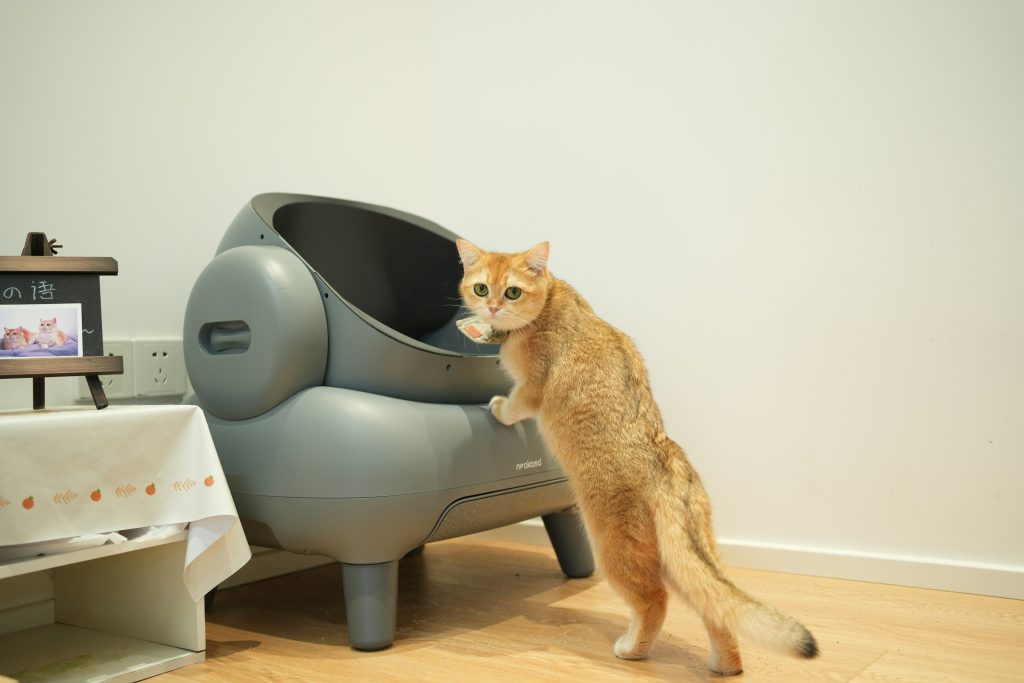
One afternoon, my aunt called me, clearly worried. Her cat Mimi had been having loose stools since the morning and had already gone to the litter box six times. By the time she called, Mimi was looking weak and was not interested in her food or water.
That combination — frequent diarrhea, weakness, and refusing water — is a warning sign that should never be ignored in cats. Dehydration from diarrhea can become dangerous within hours, especially in older cats or kittens.
I told my aunt to go to the vet that same day. It turned out Mimi had a bacterial infection in her gut. With the right antibiotics and some supportive care, she recovered fully within a week.
If you are reading this because your cat has diarrhea right now, this guide will help you understand what is causing it, when it is safe to monitor at home, and when you absolutely must see a vet.
What Is Considered Diarrhea in Cats?
Normal cat stools are firm, well-formed, and brown in color. Diarrhea means the stools are loose, watery, or unformed. It may happen once or repeatedly throughout the day.
Diarrhea in cats can be:
- Acute — starts suddenly and lasts less than a week. Usually caused by something the cat ate, a sudden stress, or a mild infection.
- Chronic — lasts more than two to three weeks, or keeps coming back. This almost always indicates an underlying health condition that needs proper diagnosis.
Both types need attention. Chronic diarrhea, especially, should never be left untreated.
Common Causes of Cat Diarrhea
1. Dietary Changes or Food Intolerance
This is the most common cause of sudden diarrhea in cats. If you recently changed your cat’s food — even switching from one brand to another — the digestive system may react with loose stools.
Cats have sensitive digestive systems. Food should always be changed gradually over seven to ten days, mixing small amounts of the new food with the old food and slowly increasing the ratio.
Some cats are also intolerant to specific ingredients like dairy, certain proteins, or artificial additives.
2. Eating Something Unusual
Cats are curious animals. If your cat got into the garbage, ate a houseplant, chewed on something they should not have, or ate human food, diarrhea is a common result.
Some plants and human foods are also toxic to cats — like lilies, onions, garlic, grapes, and chocolate — and diarrhea may be an early sign of poisoning. If you suspect toxin ingestion, contact your vet immediately.
3. Intestinal Parasites
Worms and other internal parasites are a very common cause of diarrhea in cats, especially in kittens and outdoor cats. Common parasites include:
- Roundworms — the most common, especially in kittens
- Hookworms — cause bloody diarrhea and anemia
- Giardia — a microscopic parasite that causes chronic, watery, foul-smelling diarrhea
- Coccidia — common in kittens, causes watery diarrhea with mucus
Parasites are diagnosed through a stool sample test at the vet and treated with specific antiparasitic medications. Over-the-counter dewormers do not cover all types of parasites.
4. Bacterial or Viral Infection
Infections from bacteria like Salmonella or Campylobacter, or viruses like feline panleukopenia, can cause severe diarrhea. Infected cats may also have fever, vomiting, and extreme lethargy alongside diarrhea.
Feline panleukopenia is especially dangerous and can be fatal, particularly in unvaccinated cats. This is one of the many reasons keeping vaccinations up to date is so important.
5. Stress
Cats are deeply sensitive to changes in their environment. Moving to a new home, a new pet in the household, a change in routine, loud noises, or even a change in the litter box location can trigger stress-induced diarrhea.
Stress diarrhea is usually short-lived and resolves once the cat adjusts. However, if the stress is ongoing, the diarrhea can become a recurring problem.
6. Inflammatory Bowel Disease
Inflammatory Bowel Disease, or IBD, is a chronic condition where the walls of the digestive tract become inflamed. It causes recurring episodes of diarrhea, vomiting, and weight loss. IBD is more common in middle-aged and older cats and requires long-term management with diet changes and sometimes medication.
7. Hyperthyroidism
Hyperthyroidism — an overactive thyroid gland — is one of the most common hormonal conditions in older cats. One of its symptoms is chronic diarrhea, along with weight loss despite a good appetite, increased thirst, and hyperactivity. It is diagnosed with a blood test and is very manageable with the right treatment.
8. Kidney Disease
Chronic kidney disease is very common in senior cats. As kidney function declines, toxins build up in the blood and affect the digestive system, leading to diarrhea, vomiting, loss of appetite, and increased drinking and urination. Early diagnosis through regular blood work can significantly slow the progression.
9. Antibiotics or Medications
If your cat recently started a new medication — especially antibiotics — diarrhea is a common side effect. Antibiotics kill harmful bacteria but also disrupt the healthy bacteria in the gut. This usually resolves when the medication course ends. Talk to your vet if the diarrhea is severe.
10. Cancer
In older cats, tumors in the digestive tract can cause chronic diarrhea, weight loss, and vomiting. This is less common than the other causes on this list. Still, it is important to mention — especially if your senior cat has unexplained chronic diarrhea that is not responding to other treatments.
Symptoms to Watch Closely
Diarrhea on its own is concerning. But certain additional symptoms mean you need to act immediately:
- Blood in the stool — bright red blood or dark, tarry stools both require urgent vet attention
- Vomiting alongside diarrhea — the combination causes dehydration very quickly
- Lethargy — a cat that is weak, unresponsive, or has no energy, alongside diarrhea, needs same-day care
- Not drinking water — dehydration becomes dangerous fast
- Signs of dehydration — gently pinch the skin on the back of the neck; in a hydrated cat, it snaps back immediately; if it stays tented, the cat is dehydrated
- Diarrhea in a kitten — kittens dehydrate much faster than adults and can deteriorate within hours
- Diarrhea lasting more than 48 hours — even without other symptoms, persistent diarrhea needs veterinary attention
- Significant weight loss — a sign of chronic underlying disease
What You Can Do at Home for Mild Cases
If your adult cat has had one or two episodes of loose stool, is still alert, drinking water, and showing no other concerning symptoms, you can try these steps at home first:
Withhold food temporarily. Give the digestive system a rest by withholding food for twelve hours. Always keep fresh water available. Do not withhold food from kittens — they need to eat frequently.
Offer a bland diet. After the fasting period, offer small amounts of plain boiled chicken with plain white rice — no seasoning, no oil. This is gentle on the stomach and helps firm up stools. Feed small amounts every four to six hours for one to two days.
Keep the cat hydrated. Offer fresh water frequently. If the cat is reluctant to drink, try a pet water fountain — many cats prefer running water. You can also offer a small amount of low-sodium chicken broth to encourage drinking.
Probiotics. Probiotic supplements designed specifically for cats can help restore healthy gut bacteria and resolve mild diarrhea faster. Ask your vet to recommend a good product.
Monitor closely. Watch the litter box. If the stool is firming up within twenty-four to forty-eight hours, the cat is improving. If not, or if any warning signs appear, go to the vet.
When to See a Vet — Do Not Wait
Go to the vet the same day if:
- There is blood in the stool
- Your cat is vomiting repeatedly alongside diarrhea
- Your cat is a kitten or a senior cat
- The cat is showing signs of dehydration
- The cat has not eaten or drunk water for more than twelve hours
- Diarrhea has lasted more than forty-eight hours without improvement
- Your cat seems weak, lethargic, or in pain
- You suspect poisoning or toxin ingestion
- The diarrhea is very frequent — more than five times in a few hours
How the Vet Will Diagnose and Treat It
When you bring your cat to the vet with diarrhea, they will:
- Ask about diet, recent changes, medications, and the cat’s history
- Do a physical examination
- Examine a stool sample to check for parasites, bacteria, or blood
- Run blood tests if a systemic condition is suspected
- Take X-rays or an ultrasound if a blockage or tumor is a concern
Treatment depends entirely on the cause:
- Parasites — specific antiparasitic medication
- Bacterial infection — antibiotics
- Viral infection — supportive care, fluids, and sometimes antiviral medication
- IBD — dietary changes, corticosteroids, or immunosuppressants
- Hyperthyroidism — medication, radioactive iodine therapy, or surgery
- Dehydration — intravenous or subcutaneous fluids
Never try to treat cat diarrhea with human anti-diarrhea medications. Products containing bismuth, loperamide, or other human-formulated ingredients can be toxic to cats.
How to Prevent Diarrhea in Cats
- Transition food slowly — always mix old and new food over seven to ten days
- Keep vaccinations current — protects against viral infections that cause diarrhea
- Deworm regularly — especially for outdoor cats or cats that hunt
- Keep toxic plants and human food out of reach
- Reduce stress — maintain a stable routine, provide safe spaces, and introduce changes gradually
- Schedule annual vet checkups — blood work and stool tests catch problems before they become serious
- Wash food and water bowls daily — dirty bowls harbor bacteria
- Use a good quality food — cheap foods with excessive fillers and artificial ingredients upset sensitive stomachs
Final Thoughts
Cat diarrhea is your cat’s way of telling you that something in their body is not right. Sometimes it is a minor reaction that clears up on its own. Other times, it is the first sign of something that needs prompt medical attention.
The key is knowing the difference. Watch the signs. Monitor closely. And when in doubt, always choose to call your vet. A quick conversation can save you and your cat a lot of suffering.
Your cat trusts you to notice when something is wrong. With the knowledge in this guide, you are now better equipped to do exactly that.
⚠️ Disclaimer: This article is for informational purposes only and does not replace professional veterinary advice. Always consult a licensed veterinarian for the diagnosis and treatment of your pet’s health conditions.
Sources: Cornell Feline Health Center, VCA Animal Hospitals, PetMD, American Veterinary Medical Association (AVMA)

Stay Updated with Pet Health Tips
Get simple, expert-backed tips, disease alerts, and care guides for your pets—delivered straight to your inbox.