

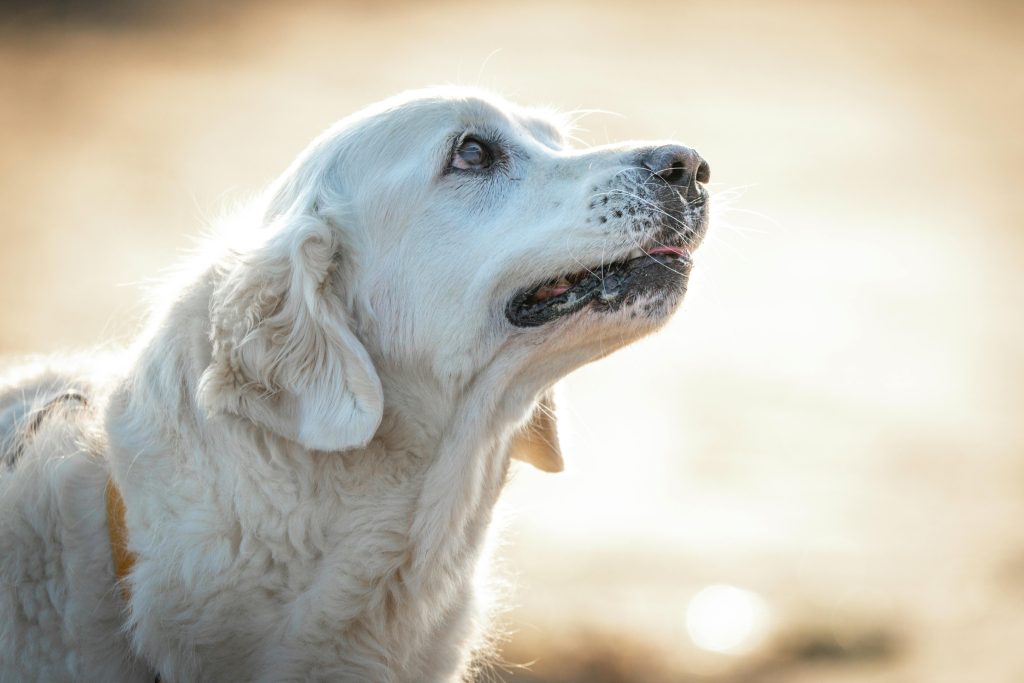
When my family adopted our first dog, I was eight years old. He was a small mixed-breed dog with a white patch on his chest and an endless appetite for mischief. His name was Biscuit.
Biscuit lived until I was twenty-two. Fourteen years. He was there for every important moment of my childhood and adolescence — school exams, first heartbreaks, late-night study sessions where he would rest his chin on my lap without being asked.
When he died, I understood for the first time why people say that the only flaw of a dog is that they do not live long enough.
If you are a dog owner, understanding your dog’s expected lifespan — and what you can do to maximize it — is one of the most important things you can learn. This guide covers average dog lifespans by size and breed, the factors that influence longevity, and practical steps you can take right now to give your dog the longest, healthiest life possible.
What Is the Average Lifespan of a Dog?
The average lifespan of a dog is ten to thirteen years. But this average covers an enormous range — from breeds that typically live only six to eight years to breeds that regularly reach fifteen, sixteen, or even eighteen years of age.
The single most important factor influencing lifespan is size. As a general rule, smaller dogs live significantly longer than larger dogs. This is the opposite of the pattern seen in most other animals — among different species, larger animals typically live longer. But within dogs, the relationship is reversed.
A Chihuahua may live fifteen to seventeen years. A Great Dane is considered elderly at seven and rarely lives past ten. The difference in lifespan between the smallest and largest dog breeds is greater than the difference in lifespan between a human and a chimpanzee.
Scientists believe this is because larger dogs age faster at the cellular level — they grow more rapidly, their bodies work harder, and the processes that lead to aging accelerate proportionally to body size.
Average Dog Lifespan by Size
Toy and Small Breeds — Under 10 kg
Small dogs are the longest-lived group. Their smaller bodies place less strain on the heart, joints, and organs, and their cells age more slowly than those of larger breeds.
Average lifespan: 12 to 16 years
Many small-breed dogs live well into their late teens with good care. It is not unusual for a healthy Chihuahua, Dachshund, or Yorkshire Terrier to reach seventeen or eighteen years of age.
Small breeds do have their own health vulnerabilities — dental disease is extremely common because their teeth are crowded into small jaws, and conditions like collapsing trachea and luxating patella are more prevalent. But their overall longevity is significantly greater than that of larger breeds.
Medium Breeds — 10 to 25 kg
Medium-sized dogs fall in the middle of the lifespan range — longer than giant breeds, shorter than toy breeds.
Average lifespan: 11 to 14 years
Breeds in this category include Border Collies, Cocker Spaniels, Bulldogs, and Basenjis. Health issues vary widely by breed within this size range — some medium breeds, like the Bulldog, have shorter lifespans due to breed-specific health problems.
Large Breeds — 25 to 45 kg
Large breeds age noticeably faster than small and medium breeds. Joint problems, particularly hip dysplasia and arthritis, are very common. Heart disease is a significant cause of death in many large breeds.
Average lifespan: 9 to 12 years
Breeds in this category include Labrador Retrievers, Golden Retrievers, German Shepherds, and Boxers. Golden Retrievers in particular have been the subject of extensive longevity research due to higher-than-average rates of cancer in the breed.
Giant Breeds — Over 45 kg
Giant breeds have the shortest lifespans of all dogs. Their large bodies age rapidly, and they are prone to serious health conditions, including bloat, bone cancer, cardiomyopathy, and severe joint disease.
Average lifespan: 6 to 10 years
Breeds in this category include Great Danes, Saint Bernards, Irish Wolfhounds, Bernese Mountain Dogs, and Mastiffs. The Great Dane has one of the shortest average lifespans of any breed — typically seven to eight years. The Irish Wolfhound, the tallest of all breeds, averages just six to eight years.
Owning a giant breed dog means accepting a shorter time together. This reality makes proactive health care and quality of life during those years all the more important.
Average Lifespan by Breed
Here is a breakdown of average lifespans for some of the most popular dog breeds:
Chihuahua — 14 to 17 years Dachshund — 12 to 16 years Yorkshire Terrier — 13 to 16 years Shih Tzu — 10 to 16 years Pomeranian — 12 to 16 years Maltese — 12 to 15 years Beagle — 12 to 15 years Cocker Spaniel — 12 to 15 years Border Collie — 12 to 15 years Australian Shepherd — 12 to 15 years Labrador Retriever — 10 to 12 years Golden Retriever — 10 to 12 years German Shepherd — 9 to 13 years Boxer — 9 to 12 years Siberian Husky — 12 to 14 years Doberman Pinscher — 10 to 13 years Rottweiler — 8 to 11 years Bulldog — 8 to 10 years Bernese Mountain Dog — 7 to 10 years Great Dane — 7 to 10 years Saint Bernard — 8 to 10 years Irish Wolfhound — 6 to 8 years Mastiff — 6 to 10 years
These are averages — individual dogs regularly live significantly longer than the breed average with excellent care and good genetics.
Factors That Influence How Long a Dog Lives
Understanding what affects lifespan gives you the power to influence it. Many of the factors that determine how long a dog lives are within your control as an owner.
1. Genetics and Breed
Genetics plays a fundamental role in lifespan. Some breeds carry genetic predispositions to serious health conditions that shorten life — cancer in Golden Retrievers, cardiomyopathy in Dobermans, bloat in deep-chested breeds, and degenerative myelopathy in German Shepherds, for example.
When acquiring a dog, especially a purebred, research the breed’s common health conditions. Choose a reputable breeder who screens breeding dogs for known genetic conditions and can provide health certificates for the parents.
Mixed-breed dogs — often called mutts or crossbreeds — typically benefit from genetic diversity that reduces the likelihood of inheriting two copies of a recessive disease gene. Studies suggest that mixed-breed dogs may live slightly longer on average than purebred dogs, though the evidence is not conclusive.
2. Nutrition
Diet has a profound and measurable impact on lifespan. Dogs fed a high-quality, nutritionally complete diet have better immune function, healthier organ systems, and lower rates of chronic disease than dogs fed low-quality food.
Key nutritional factors for longevity:
- High-quality protein as the primary ingredient — supports muscle maintenance and immune function
- Omega-3 fatty acids — reduce inflammation, support heart and brain health, and improve coat and skin condition
- Appropriate caloric intake — avoiding obesity is one of the most powerful things you can do to extend your dog’s life
- Life-stage appropriate food — puppies, adults, and senior dogs have different nutritional requirements
Avoid foods with excessive fillers, artificial preservatives, and vague ingredient listings like “meat meal” or “animal by-products.”
3. Weight and Body Condition
Obesity is one of the most significant and preventable threats to dog longevity. Studies have found that dogs maintained at an ideal body weight live an average of one and a half to two years longer than overweight dogs of the same breed.
Excess weight increases the risk of diabetes, joint disease, heart disease, respiratory problems, and certain cancers — all of which shorten life and reduce quality of life.
Feel your dog’s ribs regularly. You should be able to feel them easily with gentle pressure, but not see them prominently. If you cannot feel the ribs without pressing firmly, your dog is overweight.
Work with your vet to establish a healthy target weight and feeding plan. Weight loss in dogs requires reducing calories and increasing exercise — the same fundamental principle as in humans.
4. Veterinary Care
Regular veterinary care is one of the most important investments you can make in your dog’s lifespan. Annual — and for senior dogs, biannual — checkups allow early detection of conditions that are far easier and less expensive to treat in their early stages.
Blood work performed during routine checkups can detect kidney disease, liver disease, diabetes, thyroid problems, and anemia before the dog shows any obvious symptoms. By the time symptoms appear, these conditions are often significantly advanced.
Vaccinations prevent serious and potentially fatal infectious diseases. Parasite prevention protects against heartworm, which can be fatal if untreated. Dental cleanings prevent the systemic effects of untreated dental disease.
The dogs that live the longest are almost always the dogs with the most consistent veterinary care throughout their lives.
5. Dental Health
Dental disease is far more than a cosmetic problem. Bacteria from infected teeth and gums enter the bloodstream and damage the heart valves, kidneys, and liver over time — accelerating the aging of these vital organs.
Studies have found an association between severe periodontal disease and shorter lifespan in dogs. Regular tooth brushing and professional dental cleanings are investments in your dog’s long-term health, not just their fresh breath.
6. Exercise
Regular, appropriate exercise maintains healthy muscle mass, supports cardiovascular health, keeps joints mobile, and reduces the risk of obesity. Dogs that are regularly and appropriately exercised live longer than sedentary dogs.
The keyword is appropriate. Over-exercising a puppy damages developing joints. Overexercising a senior dog with arthritis can cause pain and injury. Exercise should be matched to the dog’s age, breed, size, and health status — and adjusted over time as the dog ages.
7. Mental Stimulation
Mental health contributes to physical health. Dogs that are mentally engaged — through training, play, puzzle feeders, social interaction, and novel experiences — have lower stress levels and better overall well-being.
Mental stimulation also reduces the risk of cognitive dysfunction — essentially canine dementia — in senior dogs. Keeping the brain active throughout life slows cognitive aging just as it does in humans.
8. Spaying and Neutering
Spayed females are at significantly reduced risk of uterine infections — pyometra — which can be fatal, and mammary cancer, which is common in intact females. Neutered males have eliminated the risk of testicular cancer and reduced the risk of prostate problems.
Studies consistently show that spayed and neutered dogs live longer on average than intact dogs — partly due to the elimination of reproductive cancers and infections, and partly because intact dogs are more prone to roaming behavior that leads to accidents and injuries.
9. Stress and Quality of Life
Chronic stress has measurable negative effects on immune function and physical health. A dog that lives in a stable, loving environment with predictable routines, adequate socialization, and positive human relationships is under less chronic stress than a dog in an unpredictable, neglectful, or abusive environment.
Quality of life matters. A dog that is happy, stimulated, and secure ages differently — and better — than one that is anxious, bored, or isolated.
Signs of Aging in Dogs
Recognizing the normal signs of aging helps you support your dog appropriately as they enter their senior years — and helps you distinguish normal aging from conditions that need veterinary attention.
Reduced energy and activity — senior dogs sleep more and tire more quickly during exercise. This is normal but should be gradual, not sudden.
Grey muzzle and coat changes — greying of the muzzle typically begins around seven to eight years in most breeds. The coat may also thin or change texture.
Joint stiffness — difficulty rising after rest, reluctance to climb stairs or jump, and a stiff gait are common signs of arthritis. This is very common in senior dogs and is manageable with veterinary support.
Reduced hearing and vision — cataracts cause a bluish haze in the eyes and impaired vision. Hearing loss leads to reduced responsiveness to sounds. Both are common in older dogs.
Dental deterioration — teeth accumulate more tartar, and gum disease progresses with age.
Cognitive changes — dogs can develop canine cognitive dysfunction, similar to Alzheimer’s disease in humans. Signs include disorientation, changed sleep patterns, reduced interaction with family, forgetting previously learned behaviors, and appearing confused or lost in familiar environments.
Increased thirst and urination — changes in kidney function, diabetes, and Cushing’s disease are all more common in senior dogs and can cause increased drinking and urination.
Any sudden or significant changes in behavior, appetite, weight, or physical condition in a senior dog should be investigated promptly — do not assume it is “just aging.”
How to Help Your Dog Live Longer — Practical Steps
Feed a high-quality, life-stage appropriate diet. Do not cut corners on food.
Maintain an ideal body weight. If your dog is overweight, work with your vet on a structured weight loss plan.
Schedule annual veterinary checkups — biannually for dogs over seven years. Include blood work.
Keep dental health a priority. Brush teeth daily and schedule professional cleanings as recommended.
Exercise regularly and appropriately for the dog’s age and health status.
Keep vaccinations and parasite prevention current throughout the dog’s life — not just during puppyhood.
Provide mental stimulation through training, play, and enrichment activities.
Create a low-stress, stable home environment with consistent routines.
Pay attention. You know your dog better than anyone. The earlier you notice something is wrong, the earlier it can be treated.
Switch to senior care protocols at the right age. Most large breeds are considered senior at six to seven years. Small breeds are eight to ten. Senior dogs benefit from more frequent vet visits, joint supplements, and dietary adjustments.
The World’s Oldest Dogs
The oldest dog ever reliably recorded was Bobi, a Rafeiro do Alentejo from Portugal who lived to thirty-one years and 165 days — a remarkable age that shattered all previous records. Bobi lived a life of freedom on a farm with access to fresh food and constant companionship.
The previous record holder was Bluey, an Australian Cattle Dog from Australia who lived to twenty-nine years and five months.
Other notable very old dogs include Pebbles, a Toy Fox Terrier who lived to twenty-two years, and Spike, a Chihuahua mix who reached twenty-three years.
These remarkable cases are exceptional outliers. But they illustrate what exceptional genetics combined with excellent care and an enriched life can sometimes produce.
Final Thoughts
The years you have with your dog will pass faster than you can imagine. Every stage — the chaotic puppy months, the peak adult years, the gentle slowing of old age — is precious in its own way.
You cannot control genetics. You cannot stop time. But you have enormous influence over the quality and length of your dog’s life through the choices you make every single day — what you feed them, how much you exercise them, how diligently you maintain their health, and how much love and stability you provide.
Biscuit lived fourteen years. I believe, looking back, that he lived those fourteen years as fully and happily as a dog can live. That is the goal — not just more years, but better years.
Give your dog both.
⚠️ Disclaimer: This article is for informational purposes only and does not replace professional veterinary advice. Always consult a licensed veterinarian for guidance specific to your dog’s breed, age, and health status.
Sources: American Kennel Club (AKC), VCA Animal Hospitals, PetMD, Journal of Veterinary Internal Medicine, American Veterinary Medical Association (AVMA)
puppy care
dog dental care
pet emergency
best food for dogs
dog fever
dog not eating

Stay Updated with Pet Health Tips
Get simple, expert-backed tips, disease alerts, and care guides for your pets—delivered straight to your inbox.