
Cat Eye Problems: 10 Common Issues, Symptoms and Treatment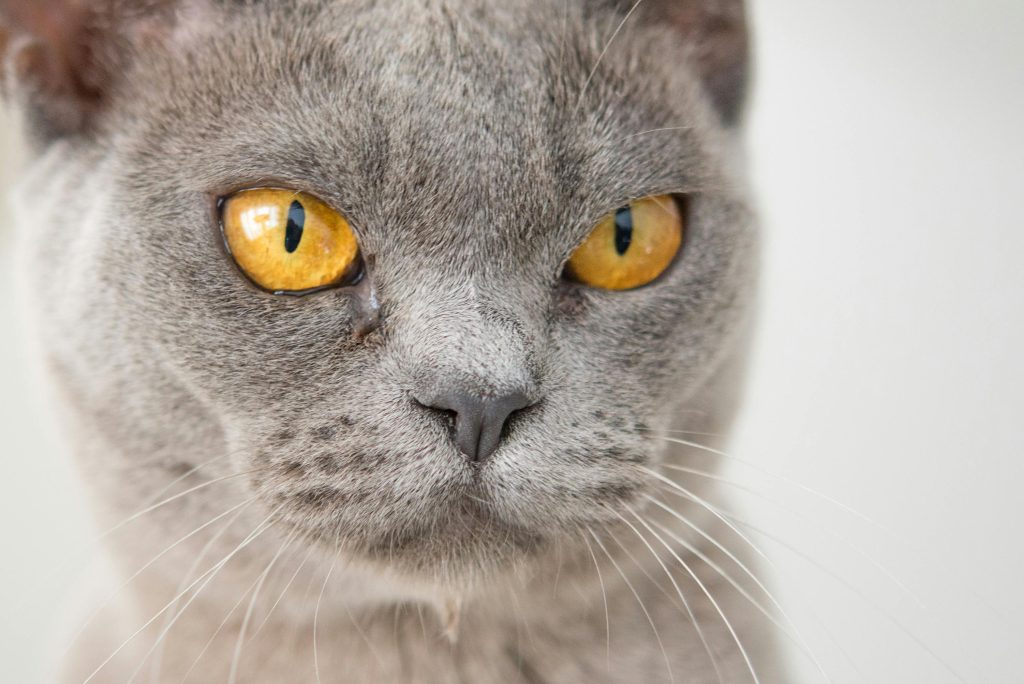
My cat Mango started squinting her left eye one Tuesday morning. By the afternoon, the eye was half closed, and there was a small amount of clear discharge in the inner corner.
I made the mistake of waiting to see if it would resolve on its own. By Thursday, the discharge had turned yellowish, the eye was almost completely closed, and Mango was repeatedly rubbing her face on the carpet.
The vet found a corneal ulcer — a scratch on the eye’s surface that had become infected. Because I had waited two days, the infection had progressed significantly, and treatment required antibiotic eye drops applied four times daily for three weeks, plus an Elizabethan collar to prevent further rubbing.
The vet told me something I have never forgotten since: eye problems in cats rarely improve on their own. They almost always get worse. And the faster they are treated, the better the outcome.
This guide covers every common eye problem in cats — what causes it, how to recognize it, and exactly when you need to act.
Understanding the Cat Eye
Before covering specific problems, it helps to understand what a healthy cat eye looks like — so you can recognize when something is wrong.
What a Healthy Cat Eye Looks Like
Healthy cat eyes are bright and clear. The pupils are equal in size and respond to light, contracting in bright conditions and dilating in dim light. The iris — the colored part — is vivid and clearly defined. The white of the eye — the sclera — is white and clean without redness or visible blood vessels.
The area around the eye is clean and dry. A very small amount of clear discharge in the inner corner — sometimes called sleep — is normal and can be gently wiped away with a clean, damp cloth. Any discharge beyond this small amount is abnormal.
The Third Eyelid
Cats have a third eyelid — called the nictitating membrane — located in the inner corner of each eye. In a healthy cat, this membrane is not usually visible. When it becomes partially visible — appearing as a pale, whitish-pink membrane across part of the eye — it indicates that the cat is unwell, stressed, or has an eye problem. A visible third eyelid is always a reason to investigate further.
Common Cat Eye Problems
1. Conjunctivitis
Conjunctivitis — inflammation of the conjunctiva, the pink tissue lining the inside of the eyelids — is the most common eye condition in cats. It causes redness, swelling, and discharge from one or both eyes.
Causes:
Conjunctivitis in cats is most commonly caused by:
Feline herpesvirus — the most frequent cause of conjunctivitis in cats. Herpesvirus is a lifelong infection that establishes itself in the nervous system and reactivates during periods of stress or illness. Herpesvirus conjunctivitis typically affects both eyes and is often accompanied by upper respiratory symptoms — sneezing and nasal discharge.
Feline calicivirus — another common viral cause of conjunctivitis, usually occurring alongside upper respiratory infection.
Chlamydia felis — a bacterial infection that causes conjunctivitis, typically starting in one eye before affecting both. It is particularly common in multi-cat households and catteries.
Mycoplasma is a bacterial organism that causes conjunctivitis in cats, often in combination with other pathogens.
Secondary bacterial infection — bacteria infect the eye secondary to viral damage or other trauma.
Symptoms:
- Redness and swelling of the conjunctiva
- Discharge — clear and watery in early viral cases, becoming thick, yellow, or green with secondary bacterial infection
- Squinting or keeping the eye partially closed
- Pawing or rubbing at the eye
- The third eyelid is becoming partially visible
Treatment:
Treatment depends on the cause. Viral conjunctivitis from herpesvirus is managed with antiviral eye drops or oral antiviral medication — lysine supplementation has historically been recommended but is now considered of questionable benefit. Bacterial conjunctivitis requires antibiotic eye drops or ointment. All cases benefit from gentle cleaning of discharge from around the eye with a clean, damp cloth.
2. Corneal Ulcer
A corneal ulcer is a wound — a scratch or erosion — on the surface of the cornea, the transparent outer layer of the eye. It is painful, prone to secondary infection, and can progress rapidly to serious consequences, including corneal perforation if not treated promptly.
Causes:
- Trauma — a scratch from a claw, a foreign body, or rough play
- Herpesvirus infection — the virus can directly damage the corneal surface
- Chemical irritation
- An abnormal eyelid position that causes eyelashes to rub against the cornea
Symptoms:
- Squinting — often severe, with the eye held almost completely closed
- Tearing and discharge
- Pawing at the eye
- The eye appears cloudy or hazy
- Redness of the surrounding conjunctiva
- The cat avoids bright light
Treatment:
Corneal ulcers require prompt veterinary treatment. The vet will examine the cornea using a special stain called fluorescein, which highlights corneal damage. Treatment typically involves antibiotic eye drops to prevent or treat secondary infection, antiviral medication if herpesvirus is involved, pain relief, and an Elizabethan collar to prevent the cat from rubbing the eye. Most superficial ulcers heal within one to two weeks with appropriate treatment. Deep or infected ulcers may require surgical intervention.
3. Uveitis
Uveitis is inflammation of the uvea — the internal structures of the eye including the iris, ciliary body, and choroid. It is a serious condition that can cause permanent vision loss if not treated promptly.
Causes:
Uveitis in cats has many possible causes, including:
- Feline immunodeficiency virus — FIV
- Feline leukemia virus — FeLV
- Feline infectious peritonitis — FIP
- Toxoplasmosis
- Systemic fungal infections
- Trauma
- Cancer
- Idiopathic — no identifiable cause in many cases
Symptoms:
- The eye appears red or pink — particularly around the iris
- The pupil may be constricted — smaller than normal — or irregular in shape
- The iris may appear darker or more muddy than the other eye
- Cloudiness or haziness within the eye
- Squinting and sensitivity to light
- Tearing
Treatment:
Uveitis is treated with anti-inflammatory medication — typically topical corticosteroids and systemic NSAIDs — alongside treatment of the underlying cause if one is identified. Regular monitoring is essential as uveitis can lead to secondary glaucoma, cataracts, and retinal detachment.
4. Glaucoma
Glaucoma occurs when the pressure within the eye — called intraocular pressure — rises above normal levels. The elevated pressure damages the optic nerve and retina, leading to vision loss that can become permanent if pressure is not controlled quickly.
Causes:
Primary glaucoma — occurring without another identifiable cause — is less common in cats than in dogs. Secondary glaucoma — occurring as a complication of another eye condition such as uveitis, a lens luxation, or an intraocular tumor — is more common.
Symptoms:
- The eye appears visibly enlarged — the eyeball looks bigger than normal
- The cornea appears bluish or hazy
- Obvious pain — squinting, pawing at the eye, reluctance to be touched on the head
- Redness of the white of the eye
- A dilated pupil that does not respond normally to light
- Vision loss — bumping into objects, disorientation
Treatment:
Glaucoma is an emergency. Permanent vision loss can occur within hours of pressure becoming dangerously elevated. Treatment involves medications to reduce intraocular pressure — either topical drops or systemic medication — and addressing the underlying cause. Severe cases may require surgical intervention or removal of the eye to relieve pain if vision is already lost.
5. Cataracts
A cataract is an opacity — a clouding — of the lens of the eye. It causes the lens to appear white or grey rather than clear. Cataracts range from small and non-vision-threatening to complete cloudiness of the lens and significant vision impairment.
Causes:
Cataracts are less common in cats than in dogs or humans. When they do occur, common causes include:
- Diabetes mellitus — high blood sugar damages the lens proteins
- Uveitis — chronic inflammation can cause secondary cataracts
- Nutritional deficiency in kittens
- Genetic or congenital factors
- Trauma
- Age — though age-related cataracts are less common in cats than in dogs
Symptoms:
- A visible grey, white, or bluish opacity in the pupil area
- The eye appears cloudy rather than clear
- Reduced vision — bumping into objects, hesitation in unfamiliar environments, reluctance to jump
- Note: Nuclear sclerosis — a normal aging change that causes a slight bluish haze in the lens — is commonly mistaken for cataracts. Your vet can distinguish between the two.
Treatment:
Surgical removal of the cataract and lens is the only treatment that restores vision. This procedure is performed by a veterinary ophthalmologist. Not all cataracts require surgery — the decision depends on the degree of vision impairment and the cat’s quality of life.
6. Entropion
Entropion is a condition in which the eyelid rolls inward, causing the eyelashes and surrounding fur to rub directly against the corneal surface. This chronic irritation causes significant discomfort, tearing, corneal damage, and eventually ulceration.
Causes:
Entropion can be congenital — present from birth — or develop secondary to chronic eye inflammation, scarring, or muscle weakness. It is more common in certain breeds with flattened faces — Persians and Himalayans — due to their facial structure.
Symptoms:
- Chronic tearing and discharge
- Squinting
- Visible inward rolling of the eyelid margin
- Redness and irritation
- Recurrent corneal ulcers
Treatment:
Mild cases may be managed with lubricating eye drops to reduce friction and protect the cornea. Significant entropion requires surgical correction to permanently reposition the eyelid.
7. Epiphora — Excessive Tearing
Epiphora refers to chronic overflow of tears — the eyes water excessively, causing staining of the fur below the inner corner of the eye. The fur in this area becomes reddish-brown from the pigment in the tears.
Causes:
- Blocked or narrow tear ducts — the normal drainage channel for tears is obstructed
- Entropion — the rolled eyelid disrupts normal tear drainage
- Conjunctivitis — inflammation increases tear production
- Allergies
- Breed-related — particularly common in flat-faced breeds like Persians and Exotic Shorthairs, whose facial structure impairs normal tear drainage
Treatment:
Treatment depends on the cause. Blocked tear ducts can sometimes be flushed clear under sedation. Underlying conditions like conjunctivitis require appropriate treatment. Breed-related epiphora may be partially managed by keeping the fur around the eyes trimmed and clean.
8. Feline Herpesvirus Eye Disease
Because herpesvirus is so common in cats and causes such a range of eye problems, it deserves specific attention beyond the conjunctivitis section above.
Feline herpesvirus — FHV-1 — infects the majority of cats at some point during their lives. Once infected, the virus remains in the nervous system permanently and reactivates during stress, illness, or immunosuppression.
Eye manifestations of herpesvirus include:
- Conjunctivitis — as described above
- Corneal ulcers — including dendritic ulcers, a branching pattern of corneal damage characteristic of herpesvirus
- Corneal sequestrum — a brown or black plaque of dead tissue that develops on the cornea in some herpesvirus-affected cats
Management of herpesvirus eye disease focuses on controlling flare-ups with antiviral eye drops during active episodes, reducing stress triggers, and maintaining overall health and immune function.
9. Retinal Disease
The retina is the light-sensitive tissue at the back of the eye. Several conditions affect the feline retina.
Hypertensive retinopathy — high blood pressure — hypertension — causes damage to the blood vessels in the retina, leading to hemorrhage and retinal detachment. Sudden blindness in a middle-aged or older cat is a classic presentation of hypertension-related retinal detachment. Hypertension in cats is commonly secondary to kidney disease or hyperthyroidism.
Progressive retinal atrophy — a degenerative condition causing gradual deterioration of the retinal cells and progressive vision loss. Taurine deficiency is a well-established cause of retinal degeneration in cats — another reason why a taurine-adequate, meat-based diet is essential.
Retinal detachment — separation of the retina from the underlying tissue, causing sudden vision loss. It can be caused by hypertension, uveitis, trauma, or other conditions.
10. Intraocular Tumors
Tumors within the eye are uncommon but do occur in cats. Diffuse iris melanoma — a tumor of the iris — begins as a flat, brown or black discoloration of the iris that gradually spreads across the iris surface over months to years.
Any new or growing discoloration of the iris should be monitored by a veterinary ophthalmologist. Diffuse iris melanoma can metastasize — spread to other organs — if the eye is not removed in time.
Signs That Always Require Same-Day Veterinary Attention
Never wait for eye problems. Go to the vet the same day if your cat shows:
- Squinting — a partially or fully closed eye is always significant
- Any cloudiness, haziness, or color change within the eye
- Visible third eyelid
- Discharge beyond a small amount of clear material
- Redness of the white of the eye
- A visibly enlarged eyeball
- Pawing or rubbing at the eye
- Sudden behavioral changes suggesting vision loss — bumping into objects, hesitation, disorientation
- Any change in pupil size or shape
- A new or growing discoloration on the iris
Eye problems in cats rarely improve without treatment. Every day of delay allows most eye conditions to worsen — and some conditions can cause permanent, irreversible vision loss within hours.
How to Clean Your Cat’s Eyes at Home
For routine maintenance — removing the small amount of normal discharge from the inner corner — use a clean, damp cloth or a cotton ball moistened with sterile saline solution or clean warm water.
Wipe gently from the inner corner outward. Use a separate cloth or cotton ball for each eye to avoid transferring any infection between eyes.
Never use human eye drops, contact lens solution, or any medicated product in your cat’s eyes without veterinary guidance. Many products safe for humans are harmful to cats.
Preventing Cat Eye Problems
- Keep vaccinations current — the FVRCP vaccine protects against herpesvirus and calicivirus, both of which cause eye problems
- Feed a high-quality, taurine-adequate diet — taurine deficiency causes retinal degeneration
- Schedule regular vet checkups, including blood pressure measurement in senior cats — hypertension is a leading cause of sudden blindness
- Keep the area around the eyes clean — particularly in flat-faced breeds
- Minimize stress — herpesvirus reactivates during stress, so a low-stress environment reduces the frequency of herpesvirus eye flare-ups
- Test all cats for FIV and FeLV — both viruses increase susceptibility to eye disease
Final Thoughts
A cat’s eyes are windows — not just to their emotions, but to their health. Changes in the eyes often reflect systemic conditions as well as local problems. A cat with suddenly dilated pupils and apparent vision loss may have hypertension from kidney disease. A cat with uveitis may have FIV. The eye examination is one of the most informative parts of a veterinary checkup.
Watch your cat’s eyes every day. Learn what normal looks like for your individual cat. And act the same day when something changes.
In eye care, speed is everything.
⚠️ Disclaimer: This article is for informational purposes only and does not replace professional veterinary advice. Eye problems in cats require prompt veterinary attention — never attempt to treat eye conditions at home without veterinary guidance.
Sources: Cornell Feline Health Center, American College of Veterinary Ophthalmologists (ACVO), VCA Animal Hospitals, American Association of Feline Practitioners (AAFP)

Stay Updated with Pet Health Tips
Get simple, expert-backed tips, disease alerts, and care guides for your pets—delivered straight to your inbox.