

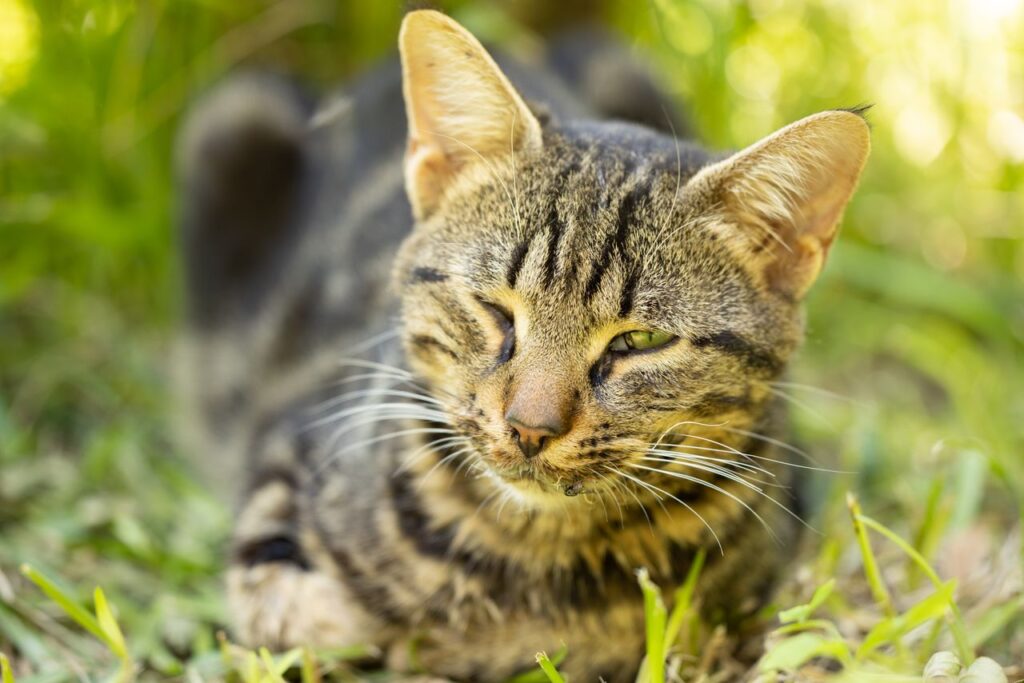
When Mango’s eye turned pink and started watering that Tuesday, the vet used a word I had heard before but never really understood — conjunctivitis. Therefore, I asked her to explain exactly what it meant, what caused it, and whether it would come back.cat conjunctivitis
Her answer surprised me. Conjunctivitis is not really one condition — it is a description of inflammation, and several completely different things can cause it. Furthermore, some causes clear up permanently with treatment, while others involve a virus that stays in the body for life and can flare up again during times of stress.
Therefore, understanding cat conjunctivitis properly means understanding what is actually happening in the eye, what is causing it in your specific cat, and what that means for treatment and the future.
This guide covers all of it.
What Is Cat Conjunctivitis?
The conjunctiva is the thin, pink membrane that lines the inside of the eyelids and covers the white part of the eye. Therefore, conjunctivitis simply means inflammation of this membrane.
When the conjunctiva becomes inflamed, it turns red or pink, often swells, and produces increased tears or discharge. Furthermore, the cat typically experiences discomfort — squinting, blinking more than usual, or rubbing at the eye.
Cat conjunctivitis is extremely common. In fact, it is one of the most frequent reasons cats are brought to the vet for an eye problem. However, the underlying cause varies significantly between cats, and identifying it correctly determines both the treatment and the likelihood of recurrence.
Symptoms of Cat Conjunctivitis
The signs of cat conjunctivitis are usually visible without special equipment, though a vet examination determines the underlying cause.
Redness — the white part of the eye and the inner eyelid surface appear pink or red instead of their normal pale color.
Discharge — ranging from clear and watery to thick and yellow or green, depending on the cause.
Swelling — the conjunctiva itself may appear puffy or swollen, sometimes visible as a pink tissue bulging slightly around the edge of the eye.
Squinting or blinking excessively indicates discomfort.
Pawing or rubbing at the eye — the cat is attempting to relieve irritation.
Eyelid sticking — particularly noticeable after sleep, when discharge dries and causes the eyelids to stick together.
One or both eyes are affected — depending on the cause, as discussed below.
Therefore, if your cat shows any combination of these signs, conjunctivitis is the likely diagnosis — though the specific cause requires veterinary examination.
What Causes Cat Conjunctivitis?
Cat conjunctivitis has several distinct causes, each with different implications for treatment and prognosis.
1. Feline Herpesvirus — FHV-1
Feline herpesvirus is the single most common cause of conjunctivitis in cats. Furthermore, it is estimated that the majority of cats carry this virus, having been exposed at some point in their lives — often as kittens.
Here is the important part to understand. Once a cat is infected with herpesvirus, the virus never leaves the body. Therefore, it establishes a permanent, dormant infection in the nerve tissue near the eyes and face. During periods of stress — a house move, a new pet, boarding, illness, or even significant weather changes — the virus can reactivate and cause a new episode of conjunctivitis.
Herpesvirus conjunctivitis typically affects both eyes, though one eye may be more severely affected than the other. Furthermore, it is often accompanied by sneezing, nasal discharge, and sometimes corneal ulcers — particularly characteristic branching ulcers that a vet can identify with fluorescein staining.
Therefore, a cat diagnosed with herpesvirus conjunctivitis may experience recurring episodes throughout their life, though many cats have long periods, sometimes years, without any flare-up.
2. Chlamydia felis
Chlamydia felis is a bacterial cause of conjunctivitis, particularly common in young cats, kittens, and multi-cat environments such as shelters and catteries.
This type of conjunctivitis typically starts in one eye and often spreads to the second eye within a few days. Furthermore, it tends to cause more significant swelling and discharge than herpesvirus conjunctivitis, and the discharge often becomes thick and colored quickly.
Therefore, Chlamydia felis conjunctivitis responds well to specific antibiotic treatment — typically a course of several weeks to ensure complete clearance, since stopping treatment too early can lead to recurrence.
3. Feline Calicivirus
Calicivirus is another viral cause, often occurring alongside herpesvirus in cats with upper respiratory infections. Furthermore, calicivirus conjunctivitis is frequently accompanied by mouth ulcers — a distinctive feature that helps differentiate it from other causes.
4. Bacterial Infections — Secondary
Many cases of conjunctivitis begin as viral but develop a secondary bacterial component. Therefore, what starts as clear, watery discharge from a viral cause often becomes thick and yellow or green as bacteria — commonly Pasteurella or Staphylococcus species — take advantage of the already-inflamed tissue.
This is why discharge color often changes over the course of an illness — and why a vet may prescribe antibiotics even for a conjunctivitis episode that started as viral.
5. Allergic Conjunctivitis
Environmental allergens — pollen, dust, mold, certain cleaning products — can cause conjunctivitis with clear, watery discharge, typically affecting both eyes equally. Furthermore, allergic conjunctivitis often occurs seasonally or in association with specific environmental exposures.
Unlike infectious conjunctivitis, allergic conjunctivitis is not contagious to other cats and does not produce the thick, colored discharge typical of bacterial infection.
6. Irritant Conjunctivitis
Smoke, dust, strong fragrances, and chemical fumes can cause temporary conjunctivitis. Therefore, this typically resolves quickly once the irritant is removed and does not require medication beyond gentle cleaning.
7. Mycoplasma
Mycoplasma is a less common bacterial cause that can occur alone or alongside other infectious causes, contributing to conjunctivitis with discharge and inflammation.
Is Cat Conjunctivitis Contagious to Other Cats?
This depends entirely on the cause. Therefore, this is one of the most important questions to ask your vet, particularly in multi-cat households.
Herpesvirus, calicivirus, and Chlamydia felis are all contagious between cats — spreading through direct contact, shared food bowls, litter boxes, grooming, and respiratory secretions. Therefore, if your cat is diagnosed with one of these causes, other cats in the household have been exposed and may develop symptoms, though not all exposed cats become symptomatic.
Allergic and irritant conjunctivitis are not contagious — they result from the individual cat’s environment or immune response, not from an infectious agent.
Furthermore, during an active infectious episode, separating the affected cat, using separate food and water bowls, and washing hands between handling cats reduces transmission risk within the household.
Is Cat Conjunctivitis Contagious to Humans?
The infectious causes of cat conjunctivitis — herpesvirus, calicivirus, and Chlamydia felis — are species-specific and do not infect humans. Therefore, you cannot catch cat conjunctivitis from your cat.
However, basic hygiene — washing hands after applying eye medication or cleaning discharge — remains good practice for general hygiene reasons.
How Vets Diagnose the Cause
For a first episode of mild conjunctivitis, a vet often begins treatment based on clinical signs without extensive testing, since the most common causes respond to similar initial approaches.
However, for severe, recurrent, or non-responding cases, further testing helps identify the specific cause:
Fluorescein staining — identifies corneal ulcers, particularly important for ruling out or confirming herpesvirus-related ulcers before prescribing certain medications.
PCR testing — a swab from the eye can identify the specific viral or bacterial organisms present, guiding targeted treatment.
Tear production testing — rules out dry eye as a contributing factor.
Therefore, for a cat with recurring conjunctivitis episodes, this testing becomes more valuable — identifying the specific cause allows for more targeted long-term management.
Treatment for Cat Conjunctivitis
Treatment depends on the identified or suspected cause.
Antibiotic Eye Drops or Ointment
For bacterial causes — including Chlamydia felis and secondary bacterial infections — antibiotic eye medication is the primary treatment. Therefore, follow the prescribed course completely, even if the eye appears to improve before the course finishes, since stopping early increases the risk of recurrence.
Antiviral Medication
For severe or recurrent herpesvirus conjunctivitis, antiviral medication — typically famciclovir — can reduce the severity and duration of flare-ups. Furthermore, this is particularly considered for cats experiencing frequent or severe episodes that significantly affect quality of life.
Important Warning About Steroid Eye Medication
Some eye medications contain steroids to reduce inflammation. However, steroid-containing eye drops can dramatically worsen herpesvirus-related corneal ulcers if used without first confirming the absence of an ulcer through fluorescein staining.
Therefore, never use leftover eye medication from a previous prescription or from another pet without veterinary guidance — using the wrong medication for the current cause can cause serious harm.
Supportive Care
Alongside specific medication, gentle cleaning of discharge with a damp cloth keeps the cat comfortable and prevents the eyelids from sticking together. Furthermore, ensuring the cat eats and drinks normally during the illness — using warmed, aromatic food if the nose is also congested — supports overall recovery.
Managing Recurrent Herpesvirus Flare-Ups
For cats with diagnosed herpesvirus conjunctivitis, management focuses on reducing the frequency and severity of flare-ups rather than achieving a permanent cure, since the virus remains in the body indefinitely.
Reducing stress — identifying and minimizing stress triggers significantly reduces flare-up frequency. Therefore, a stable environment, consistent routine, and adequate resources in multi-cat households all help.
Having medication available — for cats with a known history, having antiviral medication or eye drops ready at the first sign of a flare-up allows faster treatment.
L-lysine supplementation — previously widely recommended, though current evidence on its effectiveness is mixed. Discuss with your vet whether this is worth trying for your specific cat.
When to See a Vet
See a vet within a day or two if:
- Conjunctivitis symptoms appear — redness, discharge, squinting
- Discharge is present in one or both eyes
- The cat seems otherwise well, but the eye looks abnormal
See a vet the same day if:
- The eye is significantly swollen, or the cat keeps it closed
- Discharge is thick, yellow, or green
- The cat is pawing persistently at the eye
- Symptoms are accompanied by sneezing, nasal discharge, or reduced appetite
Seek emergency care if:
- The eye appears cloudy
- Is there any visible defect on the surface of the eye
- The pupil looks abnormal in size or shape
- The cat shows severe pain, or the eye appears to be bulging
Preventing Cat Conjunctivitis
Vaccination — the FVRCP core vaccine protects against herpesvirus and calicivirus, the most common viral causes. Furthermore, while vaccination does not prevent infection entirely, it significantly reduces the severity of the disease.
Reduce stress for cats with known herpesvirus — stable routines, environmental enrichment, and adequate resources in multi-cat households all reduce flare-up frequency.
Hygiene in multi-cat households — clean shared food bowls, water bowls, and litter boxes regularly. Therefore, this reduces transmission of infectious causes between cats.
Isolate new cats — a quarantine period before introducing a new cat to resident cats reduces the risk of introducing infectious conjunctivitis to the household.
Identify and avoid known allergens — if your cat has been diagnosed with allergic conjunctivitis, identifying and minimizing exposure to the trigger reduces recurrence.
Final Thoughts
Mango’s conjunctivitis that Tuesday turned out to be a mild bacterial infection — a week of antibiotic drops resolved it completely, and it has not returned since.
However, understanding what conjunctivitis actually is — inflammation with many possible causes, some contagious and some not, some permanent and some one-time — changed how I think about her eye health going forward. Furthermore, it gave me a framework for recognizing when something is just a minor irritation versus when it might be the start of a recurring pattern worth discussing with the vet.
Therefore, if your cat develops conjunctivitis, do not panic — but do take it seriously enough to get an accurate diagnosis. The right treatment for the right cause makes all the difference, both for resolving the current episode and for understanding what to expect in the future.
⚠️ Disclaimer: This article is for informational purposes only and does not replace professional veterinary advice. If your cat shows signs of conjunctivitis, consult a licensed veterinarian for diagnosis and appropriate treatment.
Sources: Cornell Feline Health Center, American Association of Feline Practitioners (AAFP), VCA Animal Hospitals, American College of Veterinary Ophthalmologists