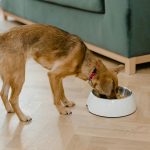


Every dog owner has been there. You are eating something in the kitchen, and your dog is sitting beside you with that expression — the one that communicates absolute, unshakeable certainty that whatever you are eating is the most important thing that has ever existed and that their survival depends on receiving a piece of it immediately.
Sometimes you give in. And then you wonder — was that safe?
The truth is that some human foods are not only safe for dogs but genuinely nutritious additions to their diet. Others are dangerous. A few are life-threatening. And many fall somewhere in between — not toxic, but not particularly beneficial either.
This guide covers the complete picture. What is safe, what is not, why it matters, and how to share food with your dog responsibly.
Before We Start — The Ground Rules
Before going through specific foods, three important principles apply to everything that follows.
Moderation matters. Even safe human foods should be treats — occasional additions to a balanced diet, not replacements for it. Human food should make up no more than 10% of your dog’s total daily calories. The remaining ninety percent should come from a complete and balanced dog food.
Every dog is different. A food that is safe for dogs in general may not suit your individual dog. Dogs with specific health conditions — kidney disease, diabetes, pancreatitis, allergies — have dietary restrictions that override general guidelines. When in doubt, ask your vet.
Preparation matters enormously. A food that is safe for dogs in its plain, unseasoned form may be dangerous when prepared the human way — with salt, garlic, onion, butter, spices, or artificial sweeteners. The guidance in this article always refers to plain, unseasoned versions of foods.
Human Foods That Are Safe — and Good — for Dogs
Cooked Chicken
Plain, boneless, cooked chicken is one of the safest and most nutritious human foods you can give your dog. It is high in protein, easily digestible, and gentle on sensitive stomachs.
Boiled chicken — no salt, no seasonings, no oil — is the go-to food for dogs recovering from illness, digestive upset, or surgery. It is also excellent as a high-value training treat cut into small pieces.
Always remove bones before giving chicken to your dog. Cooked chicken bones splinter into sharp fragments that can perforate the digestive tract.
Cooked Turkey
Plain, cooked turkey is another safe, high-protein option. Remove the skin — which is too fatty and may trigger pancreatitis — and ensure there are no bones, onions, garlic, or seasonings.
Turkey is often used in limited-ingredient dog foods as a novel protein for dogs with chicken allergies.
Cooked Salmon and Fish
Cooked salmon is excellent for dogs. It is rich in omega-3 fatty acids — EPA and DHA — that reduce inflammation, support joint health, improve coat condition, and support brain function.
Other safe cooked fish include sardines, cod, and whitefish. Always serve cooked — never raw. Raw fish can contain parasites and bacteria dangerous to dogs, and certain raw fish contain thiaminase, an enzyme that destroys thiamine with regular feeding.
Remove all bones before serving. Fish bones are small and sharp and pose a choking and perforation hazard.
Eggs
Cooked eggs are a highly nutritious food for dogs. They are an excellent source of protein, healthy fats, and vitamins, including Vitamin A, riboflavin, and selenium.
Scrambled eggs or boiled eggs — with no butter, oil, salt, or added ingredients — are safe and well-tolerated by most dogs. Many dogs find eggs extremely palatable, making them useful for encouraging a dog with a reduced appetite to eat.
Do not feed raw eggs regularly. Raw eggs contain avidin — a protein that blocks biotin absorption — and carry a small risk of Salmonella contamination with repeated exposure.
Cooked Rice
Plain, cooked white or brown rice is safe and easily digestible for dogs. It is a common ingredient in bland diet protocols for dogs with digestive upset — combined with boiled chicken, it provides a gentle, easily digested meal that helps settle an irritated gastrointestinal tract.
White rice has a higher glycemic index than brown rice. For dogs with diabetes, brown rice in small amounts is preferable.
Rice is not nutritionally essential in a dog’s diet, but it is a safe, practical carbohydrate source in appropriate amounts.
Cooked Sweet Potato
Sweet potato is one of the most nutritious vegetables you can offer a dog. It is rich in dietary fiber, Vitamin A, Vitamin C, potassium, and antioxidants.
Serve it cooked and plain — boiled, baked, or steamed without butter, salt, or seasonings. Raw sweet potato is harder to digest and best avoided.
Sweet potato is often used as a high-fiber addition to the diet for dogs with anal gland problems or irregular bowel movements.
Carrots
Carrots are safe, nutritious, and enjoyed by many dogs. They are low in calories, high in fiber and beta-carotene — a precursor to Vitamin A — and satisfying to chew.
Raw carrots provide a crunchy texture that some dogs enjoy and may provide mild dental benefits through the mechanical chewing action. Cooked carrots are softer and easier to digest, but retain their nutritional value.
Carrots make excellent low-calorie treats for overweight dogs that need to reduce caloric intake without reducing treat frequency.
Blueberries
Blueberries are one of the best fruit options for dogs. They are rich in antioxidants — particularly anthocyanins — that reduce oxidative stress and support immune function, cardiovascular health, and cognitive function.
They are also low in sugar relative to many other fruits and high in fiber. Serve fresh or frozen — as individual treats or mixed into food.
Watermelon
Plain watermelon flesh — no seeds, no rind — is safe and hydrating for dogs. It is approximately ninety-two percent water, making it an excellent treat on hot days. It also contains Vitamin A, Vitamin C, and potassium.
Remove all seeds before serving — swallowed seeds can cause intestinal blockage. The rind is difficult to digest and best avoided.
Apples
Apples are safe for dogs in moderate amounts. They are a source of fiber, Vitamin A, and Vitamin C.
Always remove the core and seeds before giving apples to a dog. Apple seeds contain amygdalin — a compound that releases small amounts of cyanide when metabolized. A few seeds are unlikely to cause harm, but regular consumption of seeds is best avoided.
Serve sliced, with the core and seeds removed. Unsweetened, plain apple without added sugar or cinnamon is best.
Bananas
Bananas are safe for dogs in moderation. They are a source of potassium, Vitamin B6, Vitamin C, and fiber. They are also naturally sweet and highly palatable — most dogs enjoy them enthusiastically.
The high sugar content means bananas should be occasional treats rather than daily additions — particularly for dogs with diabetes or weight management concerns.
Peel completely before serving and offer small pieces rather than a whole banana.
Pumpkin
Plain, cooked pumpkin — not pumpkin pie filling, which contains spices and sugar — is excellent for dogs’ digestive health. It is high in soluble fiber that helps regulate both diarrhea and constipation. A tablespoon of plain pumpkin added to food can significantly improve the consistency of loose stools.
Canned plain pumpkin — with no additives — is a convenient option. Check the label to ensure the only ingredient is pumpkin.
Green Beans
Plain green beans — fresh, frozen, or canned without salt — are safe and nutritious for dogs. They are low in calories, high in fiber, and contain Vitamins C and K, manganese, and folate.
Green beans are sometimes recommended as a low-calorie treat for overweight dogs undergoing caloric restriction. They provide volume and fiber that help the dog feel satisfied on fewer calories.
Cucumber
Cucumbers are safe, low-calorie, and hydrating. They are particularly useful as treats for overweight dogs — they are very low in fat and calories while providing a satisfying crunch.
Serve sliced, without seasoning or dressing.
Cooked Peas
Cooked peas — green peas, snow peas, and sugar snap peas — are safe for dogs. They are a source of protein, fiber, Vitamins A, B, and K, and minerals including iron, zinc, and potassium.
Serve plain and cooked. Avoid canned peas with added salt.
Note: there is ongoing research into a potential link between legume-heavy diets — including diets high in peas — and dilated cardiomyopathy in dogs. Current FDA research has not established a definitive causal link, but until the research is conclusive, peas are best offered as occasional treats rather than a daily dietary staple.
Plain Yogurt
Plain, unsweetened yogurt — with no artificial sweeteners, particularly no xylitol — is safe for most dogs in small amounts. It contains protein and calcium, and the live cultures in yogurt may support digestive health.
Some dogs are lactose intolerant and develop digestive upset from dairy products. Start with a very small amount and monitor for gas, bloating, or loose stools.
Never give yogurt containing xylitol — it is toxic to dogs.
Peanut Butter
Plain peanut butter — made with only peanuts, with no added salt, no added sugar, and absolutely no xylitol — is safe for dogs in moderate amounts. It is a source of protein, healthy fats, Vitamin B3, and Vitamin E.
Peanut butter is one of the most popular high-value treats for dogs — often used to fill Kong toys, as pill-hiding material, or as a licking distraction during grooming.
The critical caveat is xylitol. Some peanut butter brands — particularly those marketed as reduced-sugar or natural — use xylitol as a sweetener. Xylitol is extremely toxic to dogs and can cause life-threatening hypoglycemia. Always read the ingredient list before giving any peanut butter to a dog. If xylitol appears anywhere in the ingredients, do not use it.
Oatmeal
Plain, cooked oatmeal — with no sugar, no artificial sweeteners, and no added milk — is safe for dogs in moderate amounts. It is a good source of soluble fiber, which supports digestive health and helps regulate blood sugar.
Instant oatmeal with added flavors, sugar, and artificial sweeteners is not appropriate for dogs — stick to plain, unflavored oats cooked in water.
Cooked Broccoli
Small amounts of cooked broccoli are safe and nutritious for dogs. Broccoli is rich in Vitamin C, Vitamin K, fiber, and antioxidants.
Serve it cooked and plain. Raw broccoli can cause gas and digestive upset in some dogs. Large amounts of broccoli contain isothiocyanates that can cause gastric irritation — keep portions small.
Human Foods That Are Dangerous or Toxic to Dogs
Chocolate
Chocolate contains theobromine, a methylxanthine that dogs cannot metabolize effectively. It causes vomiting, diarrhea, increased thirst, panting, excessive urination, rapid heart rate, muscle tremors, seizures, and, in severe cases, death.
Dark chocolate and baking chocolate contain the highest concentrations of theobromine and are the most dangerous. Milk chocolate contains less, but it is still harmful in significant quantities. White chocolate contains very little theobromine but is extremely high in fat and sugar.
There is no safe amount of chocolate for dogs. Keep all chocolate completely out of reach.
Grapes and Raisins
Grapes and raisins are highly toxic to dogs and can cause acute kidney failure. The specific toxic compound has not been definitively identified, which makes this particularly concerning — there is no known safe dose. Even small amounts have caused fatal kidney failure in some dogs.
Both fresh grapes and dried raisins — including those in baked goods, trail mix, and cereals — must be kept completely away from dogs. Currants and sultanas carry the same risk.
If your dog eats any grapes or raisins, contact a vet immediately, even if the dog appears well.
Onions, Garlic, and Alliums
Onions, garlic, leeks, shallots, and chives — in all forms, including raw, cooked, dried, and powdered — damage red blood cells in dogs and cause hemolytic anemia. Garlic is approximately five times more potent than onion by weight.
Signs of allium toxicity include weakness, reduced appetite, pale or yellowish gums, reddish urine, increased heart rate, and collapse.
Avoid giving dogs any food cooked with onion or garlic — including many sauces, stocks, and seasonings that contain these ingredients.
Xylitol
Xylitol is an artificial sweetener used in sugar-free gum, candies, some peanut butters, certain baked goods, some vitamins, and some medications. It causes a rapid, severe drop in blood sugar — hypoglycemia — in dogs and can cause liver failure.
Signs of xylitol poisoning include vomiting, lethargy, loss of coordination, collapse, and seizures. Even small amounts can be lethal.
Check ingredient lists on all products before sharing with your dog. Xylitol may be listed as birch sugar or E967.
Macadamia Nuts
Macadamia nuts cause weakness, hyperthermia, vomiting, tremors, and ataxia in dogs. The toxic mechanism is not fully understood, but the effects typically appear within twelve hours of ingestion.
Avoid all foods containing macadamia nuts.
Avocado
Avocado contains persin — a fungicidal toxin that causes vomiting and diarrhea in dogs. The pit is also a significant choking hazard and can cause intestinal obstruction.
The flesh of the avocado contains the highest concentration of persin, though all parts of the plant — fruit, leaves, seed, and bark — contain it.
Alcohol
Alcohol causes the same effects in dogs as in humans — but in far smaller quantities and far more quickly. Vomiting, disorientation, respiratory depression, low blood sugar, seizures, and death can result from even small amounts.
Never give alcohol to a dog. Be aware of cocktails, desserts, and fermented foods that may contain alcohol.
Cooked Bones
Cooked bones splinter into sharp fragments that can lacerate the mouth, throat, and digestive tract. They are a choking hazard and can cause intestinal perforation — a potentially fatal complication.
This applies to chicken bones, fish bones, pork bones, and any other cooked bone. Raw bones carry different risks — bacterial contamination and potential fracture of teeth.
Caffeine
Coffee, tea, energy drinks, and foods containing caffeine cause rapid heart rate, hyperactivity, tremors, seizures, and potentially fatal cardiac arrhythmias in dogs.
Keep all caffeinated beverages and foods away from dogs.
Nutmeg
Nutmeg contains myristicin — a compound that causes hallucinations, disorientation, increased heart rate, high blood pressure, dry mouth, seizures, and abdominal pain in dogs. Even small amounts of nutmeg can cause toxicity.
Salt and Salty Foods
While small amounts of salt are not immediately toxic, excessive sodium causes salt toxicity in dogs — excessive thirst, vomiting, diarrhea, tremors, elevated temperature, seizures, and in severe cases, death. Very salty foods — chips, crackers, processed meats — should not be given to dogs.
Raw Yeast Dough
Raw bread dough containing yeast is dangerous for dogs. The yeast continues to ferment in the warm environment of the stomach, producing alcohol and carbon dioxide gas. The gas causes the stomach to expand — potentially causing bloat — and the alcohol causes toxicity. Never give raw dough to a dog.
Corn on the Cob
The corn kernels themselves are not toxic to dogs. But the cob is extremely dangerous. Dogs tend to swallow large pieces of cob without chewing, and the cob cannot be digested. It causes intestinal obstruction that requires surgical removal.
If giving corn to a dog, cut the kernels off the cob first.
What to Do If Your Dog Eats Something Toxic
If your dog has eaten something potentially toxic, act immediately.
Do not wait for symptoms to appear. Some poisons — like xylitol — cause damage that progresses rapidly before symptoms are obvious. Early treatment is dramatically more effective.
Contact your vet or an animal poison control center immediately. Have information ready about what was eaten, approximately how much, when it was eaten, and your dog’s weight.
Do not induce vomiting without veterinary guidance. Inducing vomiting is appropriate for some ingestions but contraindicated for others — particularly caustic substances. Follow veterinary guidance.
Bring the packaging to the vet if possible — the ingredient list and product information help the vet assess the risk accurately.
Final Thoughts
Sharing food with your dog is one of the simple pleasures of living with a canine companion. With the right knowledge, it can also be a genuinely positive addition to their diet — fresh, whole foods provide nutrients, variety, and the kind of high-value reinforcement that builds the human-dog bond.
Know what is safe. Know what is not. Offer appropriate amounts. And enjoy those moments at the kitchen counter when your dog sits beside you with that particular expression — the one that makes it impossible to say no.
⚠️ Disclaimer: This article is for informational purposes only. If your dog has eaten something potentially toxic, contact a veterinarian immediately. Always consult your vet before making significant changes to your dog’s diet.
Sources: American Kennel Club (AKC), ASPCA Animal Poison Control Center, VCA Animal Hospitals, PetMD

Stay Updated with Pet Health Tips
Get simple, expert-backed tips, disease alerts, and care guides for your pets—delivered straight to your inbox.