

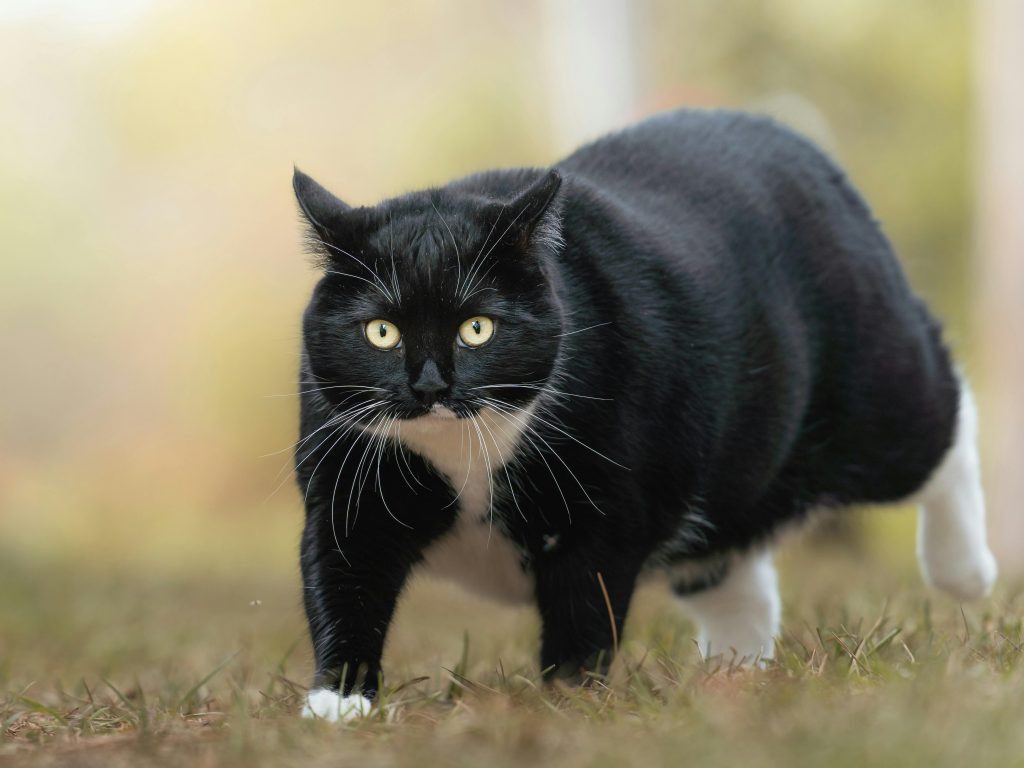
My aunt noticed her cat Whiskers had started to feel lighter when she picked him up. It was subtle at first — just a vague sense that something was different. His appetite seemed normal. He was still active. Nothing obvious had changed.
She weighed him on the kitchen scale out of curiosity. He had lost nearly four hundred grams in two months. For a cat that weighed four kilograms, that was a ten percent loss of body weight.
She took him to the vet. Blood tests revealed hyperthyroidism — an overactive thyroid gland that had been silently accelerating his metabolism and burning through body mass despite a normal appetite. Treatment began immediately. Within three months, Whiskers had regained the lost weight and his energy levels had stabilized.
The early detection made a significant difference to the speed and completeness of his recovery. It happened because my aunt paid attention to something most people would have dismissed as imagination.
This guide will help you recognize unexplained weight loss in your cat, understand what causes it, and know when and how urgently to act.
Why Weight Loss in Cats Is Always Significant
A small amount of weight fluctuation is normal in any animal. But unexplained, progressive weight loss in a cat is never something to dismiss or wait out.
Cats have relatively small body mass. A loss of one hundred to two hundred grams — which feels almost imperceptible when you pick the cat up — represents a meaningful percentage of a small cat’s total body weight. A four-kilogram cat that loses two hundred grams has lost five percent of their body weight. A loss of ten percent or more is considered clinically significant and always warrants investigation.
Weight loss is not a diagnosis — it is a symptom. It tells you that the body is either not receiving adequate nutrition, not absorbing nutrients effectively, burning through energy at an abnormal rate, or losing body mass through some other mechanism. Finding out which of these is happening — and why — is the job of veterinary diagnosis.
The earlier weight loss is detected and investigated, the earlier the underlying cause is found, and the better the treatment outcome in almost every case.
How to Monitor Your Cat’s Weight at Home
Because cats conceal illness so effectively, monitoring body weight regularly is one of the most practical things you can do to detect health problems early.
Regular Weighing
Weigh your cat monthly using a kitchen scale or a postal scale. Place a towel or small container on the scale, zero it out, and place the cat on it. Record the weight each time.
If you cannot get the cat to sit still on a scale, weigh yourself holding the cat, then weigh yourself alone, and subtract the difference.
Body Condition Scoring
In addition to scale weight, assess body condition regularly by feel.
Run your hands along the cat’s ribcage. In a healthy cat at an ideal weight, you should feel the individual ribs easily with light pressure — but they should not be sharply prominent. If the ribs feel like you are running your fingers over a washboard with very little tissue covering them, the cat is underweight.
Feel along the spine. You should feel the vertebrae, but they should not feel like sharp ridges protruding through the skin. A spine that feels like a sharp ridge indicates muscle wasting — a more serious form of weight loss that suggests significant and ongoing nutritional deficit.
Look at the cat from above. At the ideal weight, there should be a gentle curve visible behind the ribs. If the cat looks like a straight tube from above with no visible waist, they are overweight. If the waist is extremely pronounced and the hips are visibly prominent, the cat is underweight.
The Most Common Causes of Weight Loss in Cats
1. Hyperthyroidism
Hyperthyroidism — overactivity of the thyroid gland — is the most common hormonal disorder in cats and one of the most common causes of weight loss in middle-aged and senior cats. The thyroid gland produces excess thyroid hormone, which dramatically accelerates the metabolic rate — essentially putting the body into overdrive.
The result is a cat that burns through calories and body mass at an abnormally high rate despite eating normally or even eating more than usual.
Hyperthyroidism is particularly common in cats over ten years of age. Studies suggest that approximately ten percent of cats over ten years old are hyperthyroid.
Classic signs:
- Weight loss despite normal or increased appetite — this combination is characteristic and should always prompt a thyroid test
- Increased activity and restlessness — hyperthyroid cats often seem hyperactive despite their age
- Increased thirst and urination
- Vomiting and diarrhea
- Poor coat condition
- Elevated heart rate — sometimes audible as a heart murmur
Hyperthyroidism is diagnosed with a simple blood test measuring thyroid hormone levels. It is very manageable with daily medication, a prescription iodine-restricted diet, radioactive iodine therapy, or surgery, and treatment typically produces rapid improvement.
2. Chronic Kidney Disease
Chronic kidney disease is extremely common in older cats and a frequent cause of progressive weight loss. As kidney function declines, toxin accumulation in the blood causes persistent nausea, reduced appetite, and muscle wasting.
Weight loss from kidney disease is often gradual and insidious. The cat may appear to eat reasonably well but still lose weight because the metabolic disruption of kidney disease interferes with normal nutrient utilization.
Signs accompanying weight loss:
- Increased thirst and urination — early signs
- Reduced appetite — particularly as the disease advances
- Vomiting — from toxin accumulation
- Lethargy and weakness
- Dull or unkempt coat
- Bad breath — a uremic or ammonia-like odor is characteristic of kidney disease
Chronic kidney disease is diagnosed through blood tests and urinalysis. While it cannot be cured, it can be managed very effectively with prescription kidney diets, fluid therapy, and supportive medications — particularly when detected early.
3. Diabetes Mellitus
Diabetes in cats occurs when the body either does not produce sufficient insulin or does not respond to insulin normally, resulting in chronically elevated blood glucose. Despite high levels of glucose in the blood, the cells cannot use it for energy without insulin, so the body begins breaking down fat and muscle for fuel instead.
The result is weight loss — often dramatic — combined with paradoxically increased appetite in many cases.
Classic signs:
- Weight loss — often significant
- Increased appetite in many cases, though some cats lose their appetite
- Increased thirst and urination — often the first signs owners notice
- Weakness in the back legs — diabetic neuropathy causes a characteristic plantigrade stance where the cat walks on the hocks rather than the toes
- Lethargy
Diabetes is diagnosed through blood and urine glucose testing. Treatment involves insulin injections, dietary changes, and monitoring. Many cats achieve remission — particularly if treatment begins early and a low-carbohydrate diet is implemented.
4. Inflammatory Bowel Disease
Inflammatory bowel disease involves chronic inflammation of the gastrointestinal tract that impairs normal digestion and nutrient absorption. Even if the cat eats adequately, nutrients are not absorbed normally, leading to weight loss.
IBD is more common in middle-aged and older cats and often causes a waxing and waning course of symptoms over months to years before diagnosis.
Signs:
- Chronic or intermittent vomiting — often the most prominent sign
- Chronic or intermittent diarrhea
- Weight loss — often gradual
- Variable appetite — some cats eat well, others have reduced appetite
- Abdominal discomfort
IBD is definitively diagnosed through intestinal biopsy. It is managed — not cured — with dietary changes, immunosuppressive medication, and sometimes vitamin B12 supplementation.
5. Cancer
Cancer is an important cause of weight loss in cats — particularly in older cats — and should always be considered when other common causes have been ruled out.
Weight loss from cancer can occur through several mechanisms — the tumor itself consuming energy, cancer-associated inflammation increasing metabolic rate, pain or nausea reducing appetite, or tumors physically interfering with eating or digestion.
Cancer-associated weight loss is often accompanied by a general deterioration in condition — lethargy, reduced activity, and a cat that simply seems unwell — that may be difficult to characterize precisely.
Common cancers that cause weight loss in cats include lymphoma — the most common feline cancer — gastrointestinal tumors, and pancreatic cancer.
Diagnosis requires thorough investigation, including blood tests, imaging, and in many cases, a biopsy. Treatment depends on the type and stage of cancer.
6. Dental Disease
Dental disease is one of the most commonly overlooked causes of weight loss in cats. Painful teeth and gums make eating painful — and a cat that finds eating painful will eat less, eat more slowly, or avoid hard food entirely.
The weight loss from dental disease is often gradual and may not be accompanied by obvious signs, because cats are so good at concealing oral pain. The cat may approach the food bowl normally, sniff the food, and then walk away. They may eat only a portion of their meal or take much longer than usual to finish.
Signs that dental pain may be causing reduced intake:
- Dropping food while eating
- Chewing only on one side of the mouth
- Bad breath
- Pawing at the mouth
- Preference for wet food over dry — wet food requires less chewing
Regular dental checkups and professional cleanings detect and treat dental disease before it causes significant weight loss.
7. Gastrointestinal Parasites
A heavy burden of intestinal parasites — roundworms, hookworms, or other parasites — can cause weight loss by competing for nutrients and damaging the intestinal lining. This is more commonly seen in kittens and outdoor cats with regular exposure to infected prey or soil.
Diagnosis is through fecal examination. Treatment with appropriate antiparasitic medication is highly effective.
8. Stress and Anxiety
Chronic stress suppresses appetite in cats. A cat in a persistently stressful environment — a multi-cat household with tension, a noisy or disrupted home, the ongoing presence of a threatening stray cat visible through windows — may eat consistently less than their nutritional requirements.
Stress-related weight loss is usually accompanied by other signs of anxiety — hiding, reduced play, overgrooming, or litter box avoidance.
9. Liver Disease
Liver disease causes nausea, reduced appetite, and impaired metabolism — all of which contribute to weight loss. Signs include weight loss, jaundice — yellowing of the skin, eyes, and gums — lethargy, vomiting, and abdominal distension from fluid accumulation.
Liver disease is diagnosed through blood tests, urinalysis, and abdominal imaging.
10. Upper Respiratory Infection
Cats with upper respiratory infections — particularly those affecting the sense of smell — often lose their appetite because food has little appeal when they cannot smell it. Short-term weight loss during a respiratory illness is common and usually recovers once the infection resolves.
If weight loss persists beyond the recovery from a respiratory illness, further investigation is warranted.
How Much Weight Loss Is Concerning?
Any unexplained weight loss of more than five percent of body weight warrants a vet visit. For context:
- A four-kilogram cat: two hundred grams or more
- A five-kilogram cat: two hundred and fifty grams or more
- A three-kilogram cat: one hundred and fifty grams or more
Weight loss that occurs rapidly — over two to four weeks — is more urgent than gradual loss over several months, though both require investigation.
Weight loss in a senior cat — over ten years of age — is always worth investigating promptly, regardless of the amount, because the conditions most commonly affecting older cats — hyperthyroidism, kidney disease, diabetes, and cancer — are all treatable and benefit significantly from early detection.
When to See a Vet
See a vet within a few days if:
- Your cat has lost five percent or more of body weight without explanation
- Weight loss is accompanied by changes in thirst or urination
- Weight loss is accompanied by vomiting or diarrhea
- Your cat is eating less than usual
- Your cat is over ten years old and losing weight
See a vet the same day if:
- Weight loss is accompanied by significant lethargy or weakness
- Your cat has almost completely stopped eating
- Weight loss is rapid — visibly thinner within two to three weeks
- There is yellowing of the skin, eyes, or gums
- Your cat is in obvious distress
What the Vet Will Do
The vet will take a full history — asking about the timeline of weight loss, any changes in appetite or thirst, litter box habits, activity levels, and any other symptoms.
A thorough physical examination will assess body condition, feel the abdomen for masses or organ enlargement, check the teeth and gums, assess lymph nodes, and measure heart rate.
Diagnostic tests typically include:
Complete blood count and biochemistry panel — assesses organ function, checks for anemia, infection, and metabolic abnormalities. Kidney function, liver enzymes, blood glucose, and thyroid hormone are all assessed.
Urinalysis — assesses kidney function, checks for diabetes, infection, and protein loss.
Thyroid hormone level — specifically measured if hyperthyroidism is suspected.
Fecal examination — to check for intestinal parasites.
Abdominal ultrasound — to assess the liver, kidneys, spleen, intestines, and lymph nodes for masses, inflammation, or structural abnormalities.
Chest X-ray — if respiratory disease or chest masses are suspected.
Biopsy — if intestinal disease or cancer is suspected based on other findings.
Supporting a Cat That Is Losing Weight
While awaiting diagnosis or during treatment, the following measures support a cat that is losing weight:
Offer highly palatable food — warm, wet food slightly to intensify the smell and stimulate appetite. Try different flavors and textures. Some cats respond well to smooth pâté textures, others to chunks in gravy.
Feed small, frequent meals — four to six small meals per day may be better tolerated than two larger meals, particularly for cats with nausea.
Appetite stimulants — your vet may prescribe an appetite stimulant such as mirtazapine if the cat’s appetite is significantly reduced. This is a supportive measure while the underlying cause is investigated and treated.
Syringe feeding — if the cat is not eating voluntarily, your vet may recommend syringe feeding a liquid nutritional supplement as a temporary measure.
Feeding tubes — for cats that cannot or will not eat voluntarily for an extended period, a feeding tube placed by the vet allows adequate nutrition to be delivered directly to the stomach. This sounds alarming, but it is well tolerated by most cats and can be life-saving in serious illness.
Reduce stress — ensure the cat has a calm, quiet feeding environment, a consistent routine, and minimal disruption during meals.
Prevention
While not all causes of weight loss are preventable, early detection is the most powerful tool available.
Weigh your cat monthly and record the results. A trend of gradual weight loss is much easier to detect when you have a record of previous weights to compare against.
Schedule annual veterinary checkups for cats under seven years, and biannual checkups for older cats — including blood and urine testing. Hyperthyroidism, kidney disease, and diabetes are all detectable through routine blood and urine tests before weight loss becomes significant.
Feed a high-quality, species-appropriate diet throughout the cat’s life. Maintain good dental health. Control parasites. Minimize stress.
And pay attention. You know your cat. Trust your instinct when something seems different. A cat that feels lighter than they should, or eats with less enthusiasm than usual, is worth a closer look.
Final Thoughts
Weight loss in cats is a symptom, not a condition. Behind every unexplained weight loss is a cause — and in the vast majority of cases, that cause is identifiable, treatable, and significantly more manageable when found early.
My aunt’s observation that Whiskers felt lighter led to an early diagnosis of hyperthyroidism and a full recovery. That outcome was not luck. It was attention.
Weigh your cat. Feel their ribs. Notice changes. Act on what you find.
Your cat’s body is speaking to you. Make sure you are listening.
⚠️ Disclaimer: This article is for informational purposes only and does not replace professional veterinary advice. Always consult a licensed veterinarian if your cat is losing weight.
Sources: Cornell Feline Health Center, American Association of Feline Practitioners (AAFP), VCA Animal Hospitals, Journal of Feline Medicine and Surgery

Stay Updated with Pet Health Tips
Get simple, expert-backed tips, disease alerts, and care guides for your pets—delivered straight to your inbox.