

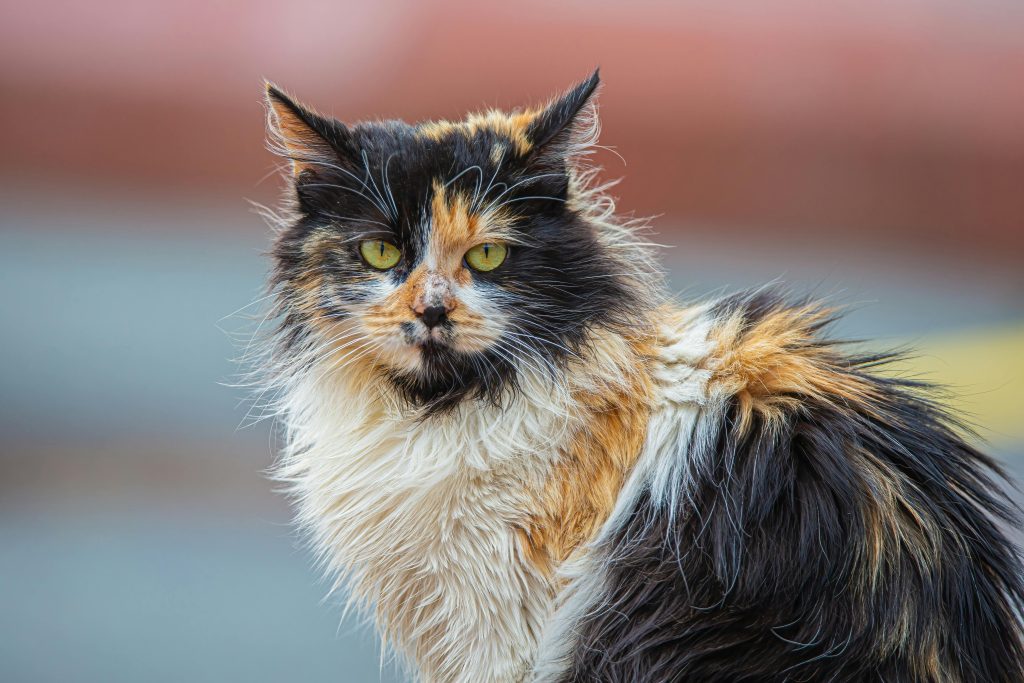
One morning, I noticed a small bald patch behind my cat’s ear. It was barely the size of a coin — easy to miss unless you were looking closely. I assumed she had scratched herself a little too enthusiastically and thought nothing more of it.
Three weeks later, the patch had tripled in size, and two new patches had appeared along her neck. The fur in those areas was completely gone — the skin beneath was slightly pink, and the edges of the patches had a faintly scaly appearance.
The vet diagnosed ringworm — a fungal infection that spreads quickly and can pass to humans. Because I had waited three weeks, the infection had spread significantly. Treatment took two months rather than the two to three weeks it might have taken if caught early.
That experience taught me to take hair loss in cats seriously from the very first sign. A small bald patch is never just cosmetic. It is always telling you something.
Is Some Hair Loss Normal in Cats?
Yes — to a degree. Cats shed continuously, and most shed more heavily during seasonal transitions — typically spring and autumn — as the coat adjusts to changing temperatures and daylight hours. This type of shedding is completely normal and produces loose hair throughout the coat rather than visible bald patches.
Normal shedding does not produce:
- Clearly defined bald patches
- Areas where the skin is visible
- Broken, stubby, or uneven hair shafts
- Redness, scaling, crusting, or inflammation of the skin
- The cat is scratching, licking, or chewing at specific areas excessively
Any of the above, alongside hair loss, indicates a problem beyond normal shedding and warrants investigation.
The Most Common Causes of Cat Hair Loss
1. Overgrooming — Psychogenic Alopecia
Overgrooming is the single most common cause of hair loss in indoor cats. The cat licks, chews, or pulls at their own fur excessively — far beyond normal grooming — until the hair breaks off or is pulled out entirely, leaving bald or thinning patches.
The hair loss from overgrooming has a characteristic appearance — the affected areas have very short, stubby hair rather than completely bare skin, because the cat is breaking the hair shafts rather than pulling them out at the root. The skin beneath is usually normal and uninfected unless the overgrooming has been severe and prolonged.
Overgrooming is almost always driven by one of two underlying causes:
Stress and anxiety — cats under chronic stress frequently develop compulsive overgrooming as a self-soothing behavior. Common stress triggers include a new pet or person in the household, moving, changes in routine, insufficient environmental enrichment, or conflict with other cats. The overgrooming provides temporary relief from anxiety in the same way some humans bite their nails or pull their hair.
Underlying skin irritation — fleas, allergies, or other skin conditions- causes itching that the cat responds to by grooming excessively. What appears to be compulsive overgrooming may actually be a cat trying to relieve genuine physical discomfort. This is why ruling out physical causes before assuming a stress-based origin is so important.
2. Flea Allergy Dermatitis
Flea allergy dermatitis is one of the most common causes of hair loss in cats. An allergic reaction to flea saliva causes intense itching that drives the cat to scratch, bite, and lick the affected areas obsessively — resulting in significant hair loss.
The hair loss from flea allergy dermatitis is characteristically located at the base of the tail, along the lower back, on the inner thighs, and on the belly — the areas where fleas preferentially feed.
Importantly, you may not see fleas on the cat. A single flea bite is enough to trigger days of intense reaction in a sensitized cat, and fleas move fast. Check carefully for flea dirt — tiny black specks in the coat that turn reddish-brown when placed on a damp white paper towel.
Year-round flea prevention using a veterinarian-recommended product is both the treatment and the prevention for this condition.
3. Ringworm — Fungal Infection
Despite the name, ringworm is not a worm. It is a fungal infection caused by dermatophyte fungi that infects the hair shafts and outer skin layer. It is one of the most common causes of hair loss in cats — particularly in kittens, multi-cat households, and shelter environments.
Ringworm produces characteristically circular or irregularly shaped patches of hair loss. The edges of the patches may be slightly raised, scaly, or crusty. The skin within the patch may be mildly red or appear normal.
Ringworm is highly contagious — between cats, between cats and other animals, and from cats to humans. Children and immunocompromised individuals are particularly vulnerable. If your cat is diagnosed with ringworm, all members of the household — human and animal — need to be assessed, and the home environment needs to be thoroughly decontaminated.
Treatment involves antifungal medication — topical for localized infections, oral for widespread cases — and environmental decontamination to eliminate spores that can survive for months on surfaces.
4. Allergies — Environmental and Food
Both environmental allergies and food allergies can cause skin inflammation that leads to itching, scratching, and subsequent hair loss.
Environmental allergies — reactions to pollen, dust mites, mold, or other airborne allergens cause generalized itching, particularly around the head, neck, and belly. The scratching and grooming response results in hair loss in these areas.
Food allergies — reactions to specific ingredients in the diet cause year-round itching, typically concentrated around the face, ears, neck, and paws. Food allergy hair loss does not improve seasonally.
Diagnosing allergies in cats requires ruling out other causes — particularly fleas — and then working with a vet to identify the specific trigger. Food allergies are diagnosed through an elimination diet trial.
5. Mites — Mange
Several types of mites cause hair loss in cats.
Notoedric mange — caused by Notoedres cati, this mange produces intense itching and hair loss beginning at the ears and spreading across the face and neck. The affected skin becomes thickened, wrinkled, and crusty. It is highly contagious between cats.
Demodex — demodectic mange is less common in cats than in dogs, but does occur, particularly in immunocompromised cats. It produces patchy hair loss without the intense itching of notoedric mange.
Cheyletiella — sometimes called walking dandruff because the mites are sometimes visible moving through the coat, this mite causes scaling and hair loss. It is contagious between animals and can temporarily affect humans.
Mange is diagnosed through skin scraping and examined under a microscope. Treatment requires prescription antiparasitic medication.
6. Hormonal Imbalances
Several hormonal conditions cause hair loss in cats — characteristically producing symmetrical hair loss on both sides of the body simultaneously, without itching.
Hyperthyroidism — overactivity of the thyroid gland is extremely common in cats over ten years of age and causes a range of symptoms including hair loss, weight loss despite good appetite, increased thirst and urination, vomiting, and hyperactivity. It is diagnosed with a blood test and is very manageable with treatment.
Hyperadrenocorticism — Cushing’s Disease — excess cortisol causes symmetrical hair loss, thin, fragile skin, a pot-bellied appearance, and increased thirst and urination. Less common in cats than in dogs, but it does occur.
Hypoestrogenism or testosterone imbalances — hormonal imbalances related to reproductive hormones can cause hair loss in both spayed females and neutered males. This type of hair loss typically responds well to treatment.
7. Alopecia Areata
Alopecia areata is an immune-mediated condition in which the immune system attacks the hair follicles, causing patchy hair loss without skin inflammation or itching. The bald patches are usually smooth and well-defined with normal-appearing skin.
It is less common in cats than in humans or dogs, but does occur. Treatment is not always necessary if the hair loss is limited — many cases resolve spontaneously. Widespread cases may be managed with immunosuppressive medication.
8. Infections — Bacterial and Yeast
Bacterial folliculitis — infection of the hair follicles — and yeast infections of the skin can cause hair loss in affected areas. These infections are usually secondary to another condition — allergies, mange, or other skin problems — that has compromised the skin barrier.
Affected areas may appear red, inflamed, crusty, or have a foul odor. Treatment requires antibiotics or antifungal medication as appropriate.
9. Trauma and Injury
A cat that has been in a fight, sustained a burn, or experienced any trauma to the skin may develop localized hair loss at the site of injury. Hair usually regrows once the wound heals, though scarring can sometimes prevent regrowth.
10. Telogen Effluvium
Telogen effluvium is diffuse hair shedding triggered by a significant physiological stress — a serious illness, high fever, major surgery, pregnancy, or severe nutritional deficiency. The stress pushes a large proportion of hair follicles simultaneously into the resting phase, causing widespread shedding weeks after the triggering event.
This type of hair loss is typically temporary. Once the underlying stress is resolved, the hair regrows.
11. Cancer
Skin tumors and certain systemic cancers can cause localized or widespread hair loss. Paraneoplastic alopecia — hair loss associated with internal cancer, particularly pancreatic cancer in cats — produces dramatic, rapid-onset hair loss with an unusually shiny, almost hairless skin. This is a serious sign requiring urgent veterinary investigation.
Where the Hair Loss Occurs — What It Tells You
The location of hair loss provides useful clues about the likely cause.
Base of tail, lower back, inner thighs, belly — flea allergy dermatitis. Check for fleas and flea dirt.
Symmetrical on both sides of the body simultaneously — a hormonal cause. Blood tests are needed.
Face, ears, neck — ringworm, notoedric mange, or food allergy. Examine for scaling and crusting.
Belly and inner legs — overgrooming from stress or flea allergy. Look for broken hair shafts.
Random patches anywhere on the body — ringworm, alopecia areata, or bacterial infection.
Entire coat thinning — telogen effluvium, nutritional deficiency, or systemic illness.
Diagnosing Cat Hair Loss
Because so many different conditions cause hair loss, accurate diagnosis requires veterinary investigation. Do not assume the cause without proper examination.
The vet will examine the hair loss pattern, the condition of the skin, and the individual hair shafts. They may perform:
Wood’s lamp examination — some strains of ringworm fluoresce under ultraviolet light, making this a quick initial screening tool.
Fungal culture — the most reliable test for ringworm. Takes one to three weeks to produce results.
Skin scraping — to check for mites under a microscope.
Trichoscopy — microscopic examination of individual hair shafts, which can distinguish between broken hairs from overgrooming and hairs lost from the root.
Blood tests — to check thyroid hormone levels and other hormonal markers.
Skin biopsy — for cases that do not respond to initial treatment or where the cause remains unclear after other testing.
Elimination diet trial — for suspected food allergy.
Treatment Options
Treatment is entirely dependent on the cause. This is why accurate diagnosis is essential — treating for ringworm when the cause is actually a hormone imbalance will produce no results.
Ringworm — antifungal medication and environmental decontamination.
Flea allergy — year-round flea prevention for all pets in the household, plus environmental flea treatment.
Overgrooming from stress — environmental enrichment, stress reduction strategies, behavioral modification, and in some cases, anti-anxiety medication.
Allergies — allergen avoidance, antihistamines, prescription anti-itch medication, or allergy immunotherapy.
Mange — prescription antiparasitic medication.
Hormonal conditions — specific treatment for the underlying hormone imbalance.
Bacterial or yeast infection — antibiotics or antifungal medication, plus treatment of the underlying condition.
Will the Hair Grow Back?
In most cases of successfully treated hair loss, yes — the hair will regrow. The timeline varies by cause and severity. Mild cases may show regrowth within four to six weeks of starting treatment. More severe or longer-standing cases may take three to six months for complete regrowth.
Hair does not regrow if the follicles have been permanently damaged by severe, prolonged infection, deep scarring, or certain immune-mediated conditions. This is another reason why early treatment produces better outcomes.
Prevention
- Use year-round flea prevention for all cats in the household
- Feed a high-quality, nutritionally complete diet
- Schedule regular vet checkups — hormonal and systemic causes are detectable through blood work before hair loss becomes significant
- Reduce environmental stress through adequate enrichment, a stable routine, and appropriate resources for the number of cats in the household
- Check the coat regularly during grooming — early detection of patches, scaling, or skin changes allows for early treatment
Final Thoughts
A bald patch on your cat is never just a cosmetic issue. It is a sign that something — fungal, parasitic, hormonal, allergic, or emotional — needs attention.
The earlier you investigate, the easier the treatment and the better the outcome. My two-week delay with Mango turned a straightforward early-stage ringworm case into a two-month treatment program.
Do not make the same mistake. Check your cat’s coat regularly. Act on what you find.
⚠️ Disclaimer: This article is for informational purposes only and does not replace professional veterinary advice. Always consult a licensed veterinarian for diagnosis and treatment of hair loss in your cat.
Sources: Cornell Feline Health Center, American Association of Feline Practitioners (AAFP), VCA Animal Hospitals, Merck Veterinary Manual

Stay Updated with Pet Health Tips
Get simple, expert-backed tips, disease alerts, and care guides for your pets—delivered straight to your inbox.