

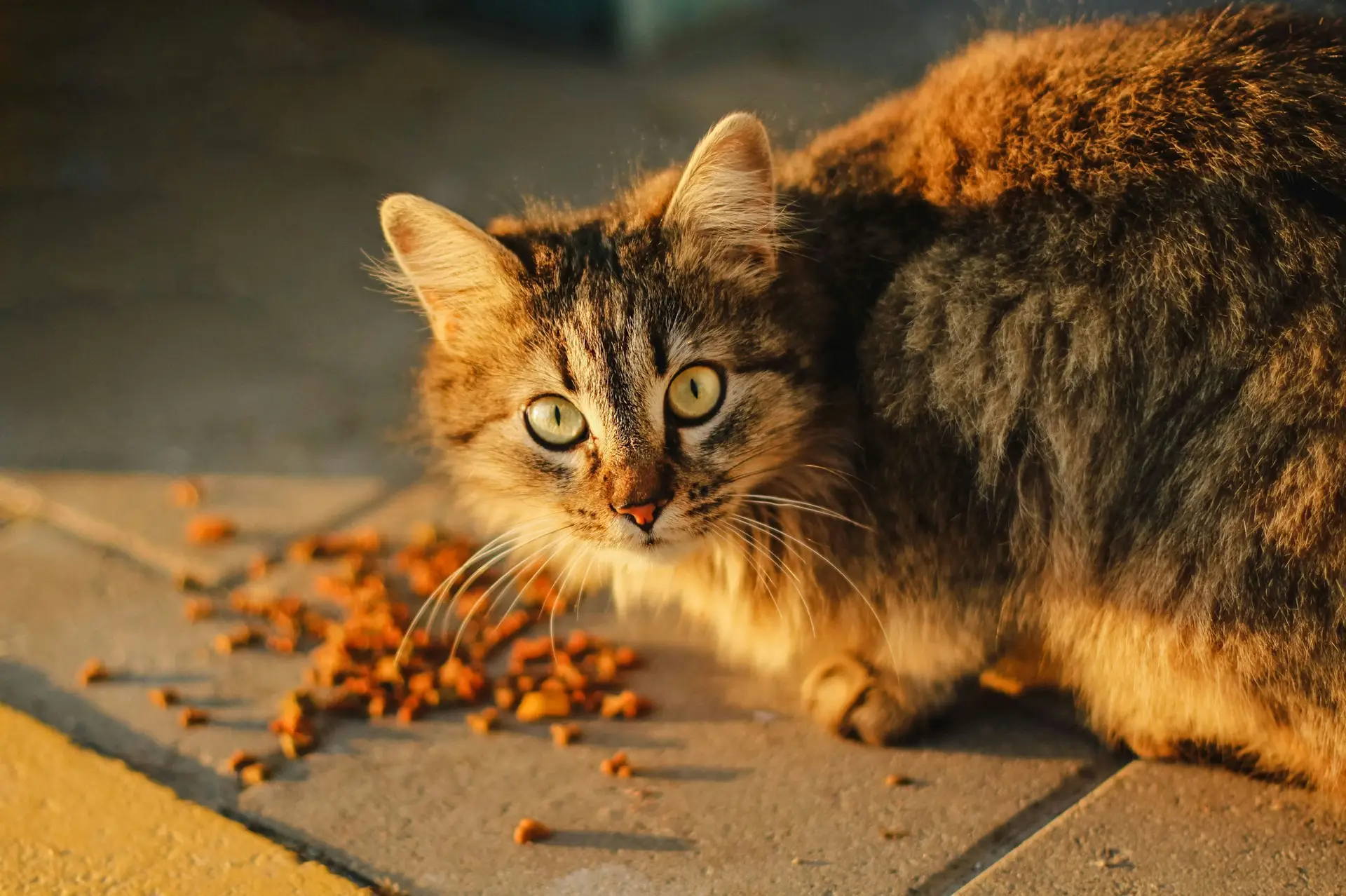
If your cat suddenly stopped eating, you are probably worried — and you should be. Cats are not like dogs. A dog might skip a meal and be fine. But when a cat refuses food for more than 24 hours, it can actually cause serious liver damage. This condition is called hepatic lipidosis, and it develops fast in cats that stop eating.
I know how scary it feels when your pet just sits there, staring at the food bowl and walking away. In this guide, I will explain exactly why cats stop eating, what signs to watch for, what you can do at home, and most importantly, when you must go to the vet without waiting another day.
Why Is My Cat Not Eating? The Most Common Causes
There is never just one reason a cat stops eating. It could be something small and temporary, or it could be a sign of something serious. Here are the most common causes:
1. Stress or a Change in Environment
- Cats are creatures of habit. If you recently moved to a new house, brought home a new pet, rearranged furniture, or even changed the brand of litter, your cat may stop eating out of stress.
- This is one of the most common reasons, especially in indoor cats. The good news is that once the cat adjusts, appetite usually returns on its own within 1 to 2 days.
2. Dental Pain or Mouth Problems
- If your cat approaches the food bowl, sniffs it, and then walks away, dental pain is a strong possibility. Cats with tooth infections, gum disease, or mouth ulcers find it painful to chew.
- Check your cat’s mouth carefully. Signs of dental problems include bad breath, drooling, pawing at the mouth, or red and swollen gums.
3. Respiratory Infection
- Cats rely heavily on their sense of smell to find food appealing. If your cat has a stuffy nose from an upper respiratory infection, the food simply does not smell interesting to them.
- You may also notice sneezing, watery eyes, or nasal discharge alongside the loss of appetite.
4. Digestive Problems
Nausea, an upset stomach, or a blockage in the digestive system can all cause a cat to stop eating. If your cat ate something unusual — a piece of string, a small toy, or a plant — there is a risk of intestinal blockage, which is a medical emergency.
5. Serious Illness
Loss of appetite is one of the first signs of many serious conditions in cats, including
- Kidney disease
- Liver problems
- Diabetes
- Pancreatitis
- Cancer
This is why you should never ignore a cat that stops eating for more than 24 to 48 hours.
6. Vaccine Reaction
If your cat recently received a vaccine, mild loss of appetite for 24 hours is completely normal. This usually resolves on its own.
7. Food Change or Food Preference
Sometimes the reason is simpler than you think. If you recently changed the brand or flavor of food, your cat may simply not like the new option. Cats can be surprisingly picky eaters.
Warning Signs to Watch Closely
Not eating alone is concerning. But if you notice any of the following alongside the loss of appetite, take your cat to the vet the same day — do not wait:
- Weight loss — if your cat feels lighter or you can feel the ribs easily
- Lethargy — the cat is sleeping much more than usual and has no energy
- Vomiting — especially if it happens repeatedly
- Hiding behavior — cats hide when they are in pain or feeling very unwell
- Yellow tint in the eyes or skin — this is a sign of jaundice and is serious
- No urination or defecation — could mean a blockage
- Difficulty breathing — emergency, go immediately
What You Can Do at Home First
If your cat has only been off food for less than 24 hours and shows none of the warning signs above, you can try these steps at home first:
Warm up the food slightly. Heat wet cat food for 10 seconds in the microwave. The warm smell often triggers appetite in cats. Make sure it is not too hot before serving.
Try a different food. Offer a different flavor or brand. Sometimes a simple food change is all it takes.
Hand feeds your cat. Sit with your cat and offer small pieces of food from your fingers. Sometimes cats eat when they feel your presence and calm energy.
Remove stress. If there has been a recent change at home, give your cat a quiet, familiar space. A cozy corner with their bed, a familiar blanket, and minimal noise can help.
Keep fresh water available. Dehydration makes everything worse. Make sure clean water is always available.
Check the food bowl. Some cats dislike plastic bowls because of the smell. Try a ceramic or stainless steel bowl.
When to Go to the Vet — Do Not Delay
You must visit a vet if:
- Your cat has not eaten for more than 24 to 48 hours
- You notice any of the warning signs listed above
- Your cat is a kitten or a senior cat — they have less tolerance for food refusal
- Your cat is pregnant or nursing
- You suspect your cat swallowed something it should not have
Please do not try to force-feed your cat or give any human medication. Both can be dangerous.
How the Vet Will Diagnose the Problem
When you take your cat to the vet, they will likely:
- Do a full physical examination
- Ask about recent changes in the home, diet, or behavior
- Run blood tests to check kidney, liver, and blood sugar levels
- Take an X-ray if a blockage is suspected
- Check for dental problems
Based on the results, they will recommend the right treatment. Do not be afraid of the vet visit — catching a problem early almost always means a better outcome for your cat.
Prevention Tips for the Future
You cannot prevent every illness. But you can reduce the risk of your cat developing appetite problems by following these habits:
- Feed your cat at the same time every day — routine reduces stress
- Use a clean bowl and wash it daily
- Gradually transition food brands over 7 to 10 days if you need to change food
- Schedule annual vet checkups even when your cat seems healthy
- Keep toxic plants, strings, and small objects out of reach
- Watch your cat’s weight — sudden weight loss is always a red flag
Final Thoughts
A cat not eating is your pet’s way of telling you something is wrong. Sometimes it is minor. Sometimes it is serious. But you will never know which one it is by waiting and hoping.
Trust your instinct as a pet owner. If something feels off, it probably is. When in doubt, call your vet. A quick phone call can give you peace of mind — or save your cat’s life.
⚠️ Disclaimer: This article is for informational purposes only and is not a substitute for professional veterinary advice. Always consult a licensed veterinarian for your pet’s health concerns.
Sources: VCA Animal Hospitals, PetMD, American Veterinary Medical Association (AVMA)

Stay Updated with Pet Health Tips
Get simple, expert-backed tips, disease alerts, and care guides for your pets—delivered straight to your inbox.